Guide Rails & Plunge Saw Accessories
Guide rails and plunge saw accessories keep sheet cuts straight, clean and repeatable on site, in the workshop or during fitted furniture installs.
When you're breaking down full sheets, trimming doors or scribing tops, this is the kit that stops wonky cuts and wasted boards. Good guide rails and plunge saw accessories UK trades rely on are about accuracy and fit, not guesswork. A proper rail, decent clamps and the right add-ons keep the saw tracking true, save time on repeat cuts and help you get cleaner edges first go. If you're looking to buy guide rails and plunge saw accessories for site work, start with the rail length and compatibility, then build the setup that suits the jobs you actually do.
What Are Guide Rails and Plunge Saw Accessories Used For?
- Breaking down full MDF, ply and chipboard sheets on trestles is far easier with a rail setup, as it keeps long cuts straight without wrestling big boards through a table saw.
- Trimming internal doors, worktops and filler panels on second fix jobs is cleaner with the right guide rail and plunge saw accessories, especially when the finish matters and chipping is not an option.
- Joining rail sections for longer rip cuts on kitchen, shopfitting and fit-out work lets you keep one straight line across oversized panels instead of resetting halfway through.
- Clamping rails onto laminated boards or awkward stock stops movement during the cut, which matters when you're working alone or cutting expensive finished material.
- Swapping in the correct blades and support pieces helps plunge saws cut cleaner through veneered sheet, solid timber and composite boards with less tear-out and less rework.
Choosing the Right Guide Rails and Plunge Saw Accessories
Sorting the right setup is simple: match the rail and accessories to the material, cut length and saw you actually use.
1. Rail Length First
If you're mostly trimming doors and making short cross cuts, a shorter rail is easier to carry and quicker to set. If you're cutting full sheets every week, go longer or use joined rails so you're not coming up short halfway through a run.
2. Check Saw Compatibility
Do not assume every plunge saw fits every rail properly. Before you buy guide rails and plunge saw accessories, check the groove profile, rail width and whether your saw base is made to run on that system without slop.
3. Buy the Clamps if You Cut Finished Boards
If you're working on melamine, veneered board or pricey worktops, get the clamps. Anti-slip strips help, but they are not a replacement when the board surface is dusty, uneven or you're reaching across a long cut.
4. Think About the Full Cutting Setup
A rail on its own is only half the story. If your blade is tired or wrong for the material, the cut will still be poor. Pair your setup with the right Circular Saw Blades so the finish matches the effort.
Who Uses These on Site?
- Chippies use guide rails and plunge saw accessories for first fix and second fix cutting, especially when breaking down sheet timber in rooms where space is tight.
- Kitchen fitters swear by them for worktop trims, end panels and appliance housing cuts, where a straight edge and clean finish save a lot of snagging later.
- Shopfitters and joiners rely on them for repeatable panel work, because a good rail setup keeps cuts consistent across wardrobes, counters and built-in units.
- Site carpenters and maintenance teams keep rail clamps and connector pieces in the van for door easing, panel replacement and one-off trim jobs that still need to look right.
The Basics: Understanding Guide Rails and Plunge Saw Accessories
These bits are there to make a plunge saw cut straight, stay put and work over the full length of the material. Here is the simple version.
1. The Rail Guides the Saw
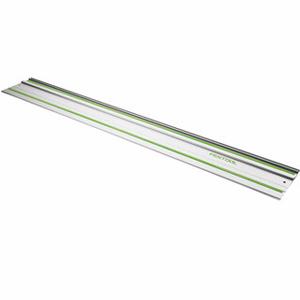
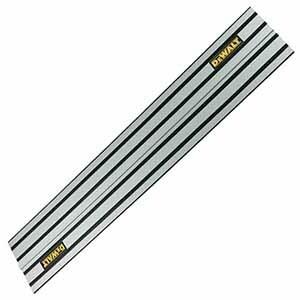
The saw base runs along the guide rail so the cut stays straight without marking out a line and hoping your hand stays true. That is what makes them so useful for sheet material and long finish cuts.
2. Clamps Stop Drift
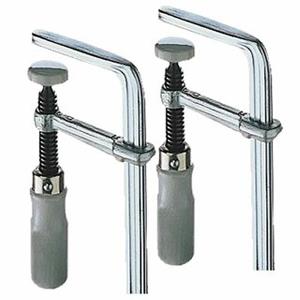
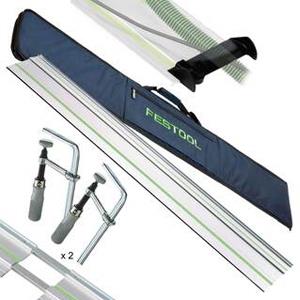
Guide Rail Clamps lock the rail to the workpiece, which stops movement when the board is dusty, the cut is long or you're leaning across a bench. It is a small add-on that saves a lot of grief.
3. Connectors Extend the Cut
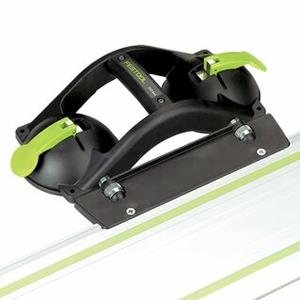
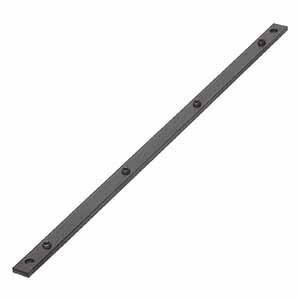
Connector Pieces join two rails together for longer runs across full sheets and oversized panels. If they are fitted properly, you get one continuous track instead of resetting and risking the cut going out.
Guide Rail Accessories That Make the Job Easier
A proper rail setup works better when you add the bits that hold it steady, extend the cut and keep the finish clean.
1. Guide Rail Clamps
These stop the rail shifting mid cut when you're on slick laminate, dusty sheet or awkward positions. Get them if you are tired of checking the line twice because the rail crept when the saw bit in.
2. Connector Pieces
If you cut full sheets or long worktops, connector pieces save you from trying to fake a straight run with two loose rails. Fit them properly and the saw tracks cleanly over the joint instead of catching or wandering.
3. Spare Splinter Guards
Once the edge strip gets damaged, your cut line and finish both suffer. A fresh splinter guard helps keep cuts clean on veneered boards and stops you accepting chipped edges as normal.
4. Correct Saw Blades
Do not blame the rail for a poor cut if the blade is wrong. The right tooth count and blade type make all the difference when you're cutting laminated boards, hardwood or general site timber.
Choose the Right Guide Rails and Plunge Saw Accessories for the Job
Use this quick guide to match the setup to the cut you are making.
| Your Job | Category or Type | Key Features |
|---|---|---|
| Trimming doors and short cross cuts | Short guide rail | Easier to carry, quick to set, enough length for controlled finish cuts |
| Breaking down full sheet material | Long guide rail | Full support over the cut, straighter tracking, less resetting on big boards |
| Cutting oversized panels and long worktops | Joined rails with connectors | Continuous straight track, accurate long runs, better alignment across the joint |
| Working with laminated or expensive finished boards | Rail with clamps and clean cut blade | Reduced movement, cleaner edge, less chance of chips and rework |
| Replacing worn or damaged setup parts | Rail accessories and replacement parts | Restores accuracy, keeps the saw tracking properly, avoids rough cuts from tired components |
Common Buying and Usage Mistakes
- Buying a rail without checking saw compatibility is the big one. If the base does not fit the rail properly, you will get play in the cut or a setup that will not run correctly at all.
- Going too short on rail length saves a few quid up front but wastes time on site. You end up repositioning mid job or trying to finish cuts freehand, which defeats the whole point.
- Skipping clamps because the rail has grip strips can catch you out. On dusty boards or polished surfaces the rail can still move, and one slip is enough to ruin a finished panel.
- Using a blunt or wrong blade and blaming the rail for chipping is common. Sort the blade for the material first, then judge the cut quality properly.
- Joining rails badly or with worn connectors leads to a slight step in the track. That tiny misalignment shows up fast on long cuts, so always check the joint before you commit to the board.
Short Guide Rails vs Long Guide Rails vs Joined Rails
Short Guide Rails
Best for door trimming, short panels and van-friendly carry. They are quicker to handle in tight rooms, but they are not the best choice for ripping full sheets in one pass.
Long Guide Rails
These are the better option if you regularly break down sheet timber or cut long worktops. You get cleaner, uninterrupted tracking, but they take up more room in transport and storage.
Joined Rails
A practical middle ground if you want flexibility. Joined rails cover long cuts without carrying one extra long section, but the connectors must be fitted properly or the saw can catch or drift at the joint.
Maintenance and Care
Keep the Rail Clean
Wipe off sawdust, resin and site grime after use so the saw base runs smoothly. Dirt in the track soon turns into drag, rough travel and less accurate cuts.
Check Splinter Guards and Grip Strips
If the edge strip is nicked or worn, replace it before finish work. Grip strips also need checking, as tired strips mean less hold on the board and more chance of movement.
Inspect Connectors and Clamps
Look for bent bars, damaged threads or loose connector fit before long cuts. Small wear in these parts can throw out alignment more than most lads expect.
Store Rails Flat and Protected
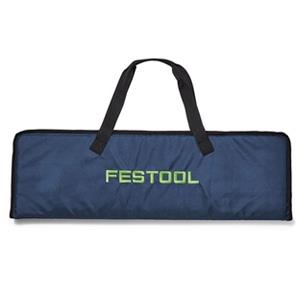
Do not chuck rails loose under other kit in the van. Store them flat or in a bag if possible, because dents and bends in the track will show up in the cut straight away.
Replace Worn Parts Before They Cost You Boards
A tired clamp, chewed strip or damaged connector is cheaper to replace than one ruined worktop or sheet of veneered board. If the setup no longer tracks cleanly, sort it before the next finish job.
Why Shop for Guide Rails and Plunge Saw Accessories at ITS?
Whether you need a replacement rail, clamps, joining bars or other Power Tool Accessories for a full cutting setup, we stock the range that trades actually use. You will find Guide Rails, Guide Rail Clamps and Connector Pieces in our own warehouse, along with the supporting blades and site kit needed to keep jobs moving. Order in stock gear for next day delivery and get back to cutting without delay.
Guide Rails and Plunge Saw Accessories FAQs
What are guide rails and plunge saw accessories used for?
They are used to keep plunge saw cuts straight, clean and repeatable when cutting sheet material, doors, worktops and panels. On site, the main benefit is accuracy without hauling big boards over a bench saw, especially in tight rooms or during fitted work.
How do I choose the right guide rails and plunge saw accessories?
Start with your saw and the length of cut you actually make most often. Check the rail fits your saw properly, then choose accessories like clamps, connectors and replacement strips based on whether you are trimming doors, cutting full sheets or working on finished boards that cannot be marked.
Are guide rails and plunge saw accessories suitable for trade use?
Yes, that is exactly where they earn their keep. Chippies, kitchen fitters, joiners and shopfitters use guide rails and plunge saw accessories for trade use because they speed up sheet cutting, improve finish quality and cut down on wasted material.
What should I check before buying guide rails and plunge saw accessories?
Check saw compatibility first, then rail length, connector fit and whether you need clamps for the material you cut. It is also worth checking if your current blade is right for the finish you want, because even the best rail will not rescue a blunt or unsuitable blade.
Can I buy guide rails and plunge saw accessories online from ITS?
Yes. You can buy guide rails and plunge saw accessories online UK wide from ITS, with the range held in our own warehouse for fast dispatch. That makes it easier to replace worn parts or build a proper rail setup without losing time hunting around merchants.