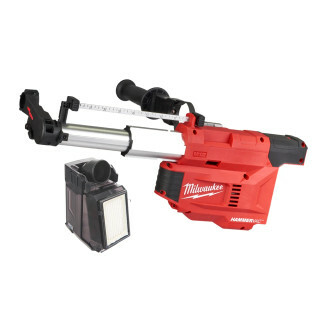
Dust Extractor Accessories
Dust extractor accessories keep suction where you need it, cut mess at source, and help your extractor work properly on drilling, sanding, cutting and site clean-up jobs.
If you're sick of dust blowing past the hose, bags splitting early, or adaptors never fitting first time, this is the kit that sorts it. Dust extractor accessories are what keep site extraction usable day to day, whether you're chasing walls, sanding filler, or cleaning up after core drilling. On this page you'll find the bits that make your vac earn its keep, from hoses and adaptors to Dust Bags and Drill Dust Collecting Attachments. If you're already buying Power Tool Accessories, get the extraction side sorted properly and order the right setup for your next job.
What Are Dust Extractor Accessories Used For?
- Controlling dust at source when drilling into concrete, block or plasterboard, so you're not coating finished rooms or leaving a bigger clean-up than the actual job.
- Connecting different tools to one extractor with the right hose ends and adaptors, which saves the usual site faff of loose fits, air leaks and poor suction.
- Collecting fine sanding dust during decorating, joinery and snagging work, especially when paired with Sanding Pads & Sheets for cleaner finishing indoors.
- Improving site and van clean-down after cutting, chasing or breaking out, with bags, filters and nozzles that stop the extractor choking halfway through the shift.
- Keeping plunge saw and track work tidier by managing chips and fine dust around cutting stations, especially alongside Guide Rails on fitted work and sheet material jobs.
Choosing the Right Dust Extractor Accessories
Sorting the right dust extractor accessories is simple: match the accessory to the tool, the dust type and the job, or you'll lose suction and waste time.
1. Start with the hose and fitting size
If the connection is sloppy, don't expect decent extraction. Check hose diameter, cuff size and tool port fit before you buy. A cheap guess usually ends with tape round the joint and dust everywhere.
2. Match bags and filters to the waste
If you're pulling in fine plaster, masonry or sanding dust, use the right bag and filter setup for that material. Don't keep running a general bag on fine dust and then wonder why airflow drops off after ten minutes.
3. Buy for the actual task, not just the extractor
If you're drilling overhead, get a proper dust collection attachment. If you're on sanders or saws all week, focus on secure adaptors and anti-kink hoses. The right accessory depends on how the extractor earns its keep on your jobs.
4. Think about site abuse and repeat use
If the kit is going in and out the van daily, buy fittings and hoses that can take being dragged round corners, stood on and packed away wet or dusty. Light-duty bits are false economy on trade work.
Who Uses These on Site?
- Sparkies use dust extractor accessories for chasing, back box drilling and overhead fixing work where dust control matters in occupied buildings.
- Joiners and kitchen fitters rely on them when cutting boards, trimming worktops and sanding edges, because loose dust in finished rooms quickly becomes your problem.
- Decorators keep the right hoses, bags and extraction fittings close by for sanding filler and prepping walls, especially on snagging jobs where clean working counts.
- Builders and maintenance teams use them for general site clean-up, drilling and small demolition, because a decent extractor is only as useful as the bits connected to it.
- Site managers and handover teams swear by proper dust collection attachments when trades are working in live environments and the client expects less mess at the end of the day.
The Basics: Understanding Dust Extractor Accessories
These parts do one main job: keep airflow strong, dust captured and the extractor matched to the tool in your hands. Get the basics right and the whole setup works better.
1. Adaptors and cuffs make the seal
The adaptor is what joins your tool to the hose properly. A tight fit means better suction at the cutting or drilling point, which is what stops dust escaping into the room instead of heading into the extractor.
2. Bags and filters protect airflow
Bags collect the waste and filters stop the fine stuff reaching the motor. Once either clogs up, performance drops off fast, so the right combination keeps suction steady and saves constant stoppages.
3. Task-specific attachments catch dust earlier
Drill collectors, floor nozzles and specialist heads are designed to capture debris right where it's made. That means less sweep-up, less airborne dust and a cleaner finish on live jobs or finished spaces.
Dust Extractor Accessories That Keep the Setup Working
The right add-ons stop blocked airflow, poor fit and needless clean-up on site.
1. Replacement Dust Bags
Keep spares in the van. A full or torn bag kills suction and turns a quick clean-up into a dusty mess. Swap it before the extractor starts labouring and you'll save the filter as well.
2. Hose Adaptors and Tool Cuffs
These save you from the usual bodged connections that leak dust everywhere. If the hose actually fits the tool properly, extraction is cleaner, stronger and far less frustrating.
3. Drill Dust Collecting Heads
Worth having for overhead drilling and finished rooms. They catch dust at the hole instead of letting it rain down over floors, worktops and the client's furniture.
4. Replacement Filters
If your extractor has lost performance, the filter is often the culprit. A fresh one restores airflow and stops fine dust getting through where it shouldn't.
Choose the Right Dust Extractor Accessories for the Job
Use this quick guide to sort the bits that actually match the work.
| Your Job | Category or Type | Key Features |
|---|---|---|
| Drilling overhead or in finished rooms | Drill dust collecting attachments | Close capture at the hole, hands-free support, reduced fallout on floors and surfaces |
| Sanding filler, timber or painted surfaces | Fine dust bags and filter accessories | Better airflow on fine waste, cleaner indoor working, less filter clogging |
| Connecting different sanders, saws or grinders | Adaptors and hose cuffs | Correct diameter, tighter seal, less suction loss, fewer taped-up joints |
| General site and van clean-up | Floor nozzles, crevice tools and replacement bags | Faster debris pick-up, better reach, easier maintenance between jobs |
| Heavy daily extraction on mixed trades | Spare filters and hard-wearing hoses | Consistent suction, less downtime, stands up better to van and site abuse |
Common Buying and Usage Mistakes
- Buying by brand name alone and not checking diameters is the big one. If the hose end or adaptor does not match the tool port, suction drops and the setup becomes a taped-together bodge.
- Running the wrong bag or filter for fine dust clogs the extractor fast. That means weak airflow, more airborne dust and more strain on the machine, so match the consumables to the waste you create.
- Waiting too long to change bags and filters costs time on the job. If performance has tailed off, sort the consumables first before blaming the extractor.
- Using general nozzles for drilling or sanding work usually leaves dust escaping at source. Task-specific attachments exist for a reason, especially indoors and on finished jobs.
- Throwing hoses and fittings loose in the van shortens their life. Store them properly and check for splits or crushed ends before site, or you will be chasing poor suction all day.
Bags vs Filters vs Adaptors
Dust Bags
Dust bags are about collection capacity and clean disposal. They are the first thing to sort if you're doing lots of general clean-up, sanding dust collection or repeated drilling work that fills the extractor quickly.
Filters
Filters deal with the fine stuff and protect airflow and the machine itself. If suction has dropped off or you're working with very dusty materials, the filter matters more than just adding another bag.
Adaptors and Cuffs
Adaptors do not collect dust themselves, but they make the whole system work properly. If your hose does not fit the tool, even the best bag and filter setup will still let dust escape at source.
Which One to Sort First
If the connection is wrong, fix that first. If airflow is weak, check the bag and filter next. If the task is awkward, like overhead drilling, add a job-specific attachment rather than forcing a standard setup to do everything.
Maintenance and Care
Empty and Change Bags Early
Do not wait until the bag is packed solid. Changing it early keeps suction up and stops fine dust pushing harder into the filter and motor system.
Check Hoses for Splits and Kinks
A small split is enough to lose performance. Give hoses and cuffs a quick check before each job, especially if they live loose in the van or get dragged round sharp edges.
Clean or Replace Filters Properly
If the filter is clogged, airflow drops and the machine works harder than it needs to. Clean only as recommended and replace it when it is past saving rather than trying to stretch it for one more week.
Keep Fittings Together
Adaptors are easy to lose and awkward to replace in the middle of a shift. Keep cuffs, nozzles and connectors stored with the extractor so the right setup is ready when you unload.
Replace Worn Parts Before They Waste a Day
If a hose end is crushed or a fitting no longer seals, replace it. Trying to nurse worn accessories through another job usually means poor extraction and more time spent cleaning up after yourself.
Why Shop for Dust Extractor Accessories at ITS?
Whether you need replacement bags, filters, hoses, adaptors or task-specific fittings, we stock a proper dust extractor accessories UK range for trade use. It is all held in our own warehouse, in stock and ready for next day delivery, so you can buy dust extractor accessories online UK and get back on site without waiting around.
Dust Extractor Accessories FAQs
What are dust extractor accessories used for?
They are used to make your extractor actually work properly with the job in front of you. That means connecting hoses to tools, catching dust at source, collecting waste cleanly and keeping airflow strong during drilling, sanding, cutting and site clean-up.
How do I choose the right dust extractor accessories?
Start with the tool and the material, then check sizes. You need the right hose diameter, the right fitting for the tool port, and the right bag or filter for the dust type. If any part is wrong, suction drops and the whole setup becomes more hassle than help.
Are dust extractor accessories suitable for trade use?
Yes, provided you buy the right type for regular site use. Trade users need accessories that seal properly, cope with fine dust, and stand up to being used day after day on refurbs, first fix, snagging and general clean-down.
What should I check before buying dust extractor accessories?
Check hose and port diameters, extractor compatibility, dust type, and whether the accessory is meant for your task. It is also worth checking whether you need consumables like bags or filters at the same time, because worn ones will undo the benefit of any new attachment.
Can I buy dust extractor accessories online from ITS?
Yes. You can buy dust extractor accessories online from ITS with the range held in our own warehouse for fast dispatch. That is handy when a split hose, blocked filter or full bag has put your extractor out of action and you need replacements quickly.