OX Tools Pro Hammers & Mallets
OX Pro hammers are built for proper site graft, from first-fix carpentry to blockwork, demolition, and setting materials without wrecking the finish.
If you're sick of loose handles, poor balance, or heads that mark up too easily, this is the end of that. The ox pro hammer range covers everyday striking jobs properly, whether you need an OX Pro claw hammers for timber work, OX Pro brick hammers for trimming and bolstering, or OX Pro lump hammers when you need weight behind the blow. You have also got OX Pro mallets for paving, joinery, and fitting work, plus OX Pro sledgehammers for heavier breaking and driving jobs. Match the head shape and weight to the task and you will get cleaner hits, less arm ache, and fewer wasted swings.
What Jobs Are OX Pro Hammers Best At?
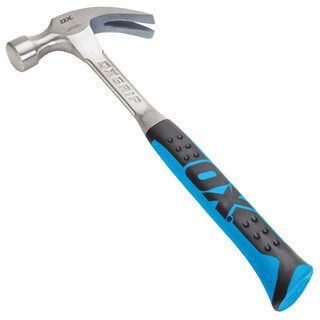
- Driving first-fix nails into stud, joist and roofing timber is where an OX Pro claw hammer earns its keep, giving you enough weight and balance to hit cleanly without fighting the tool all day.
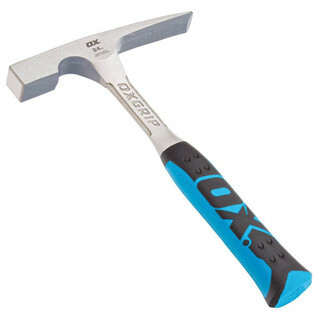
- Trimming bricks, knocking off edges and working alongside bolsters on masonry jobs is exactly what OX Pro brick hammers are for, especially when you need controlled strikes rather than wild swings.
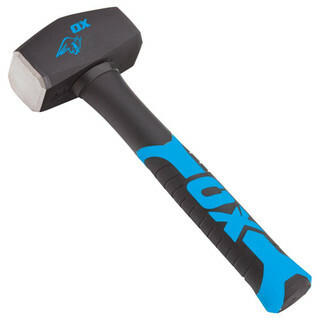
- Breaking block, shifting stubborn materials and striking cold chisels on tougher refurb or demo work suits an OX Pro lump hammer, where a lighter carpenter's hammer would just bounce and waste your effort.
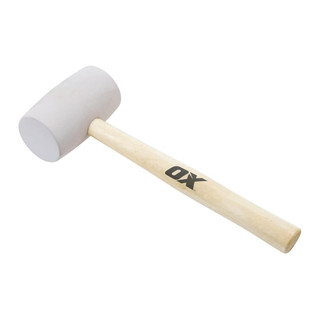
- Setting slabs, tapping pavers into line and persuading fitted parts home without damaging the face is where ox pro mallets come into their own on landscaping, joinery and finishing work.
- Driving stakes, breaking hard ground and tackling heavier demolition jobs calls for a sledge, and the OX Pro range gives site crews the extra striking force needed when smaller hammers are not enough.
Choosing the Right OX Pro Hammers
Sorting the right one is simple. Match the hammer to the material and the force you actually need, not whatever happens to be nearest in the van.
1. Claw Hammer for Timber and Nails
If you are doing first-fix, shuttering or general carpentry, use a claw hammer. It gives you the right face for driving nails and the claw for pulling them back out, which makes far more sense than bodging it with a lump hammer.
2. Brick Hammer for Masonry Work
If you are cutting, trimming or dressing brick and block, go with a brick hammer. The shape is made for controlled masonry work, and you will get cleaner results than you would battering away with a standard claw.
3. Lump Hammer for Heavier Striking
If the job involves chisels, breaking out or stubborn materials, step up to a lump hammer. Do not buy too light if you are on refurb or demo work most days, because you will only end up using more effort for less result.
4. Mallet for Finished Surfaces
If you need to knock parts into place without bruising timber, marking paving or damaging fitted materials, pick one of the ox pro mallets. It is the right call for controlled assembly and laying work where a steel face would do more harm than good.
Who Uses These on Site?
- Chippies and roofers reach for OX Pro claw hammers for first-fix, studwork and battening because a well-balanced hammer saves your elbow when you are driving nails all day.
- Brickies and general builders swear by brick hammers and lump hammers for trimming masonry, tapping line and block into place, and striking bolsters without carrying two wrong tools for one job.
- Groundworkers and landscapers use ox pro mallets for laying paving and edging because they let you bed materials down without chipping corners or marking finished faces.
- Demo crews and general trades doing knock-throughs keep lump hammers and sledges close by for breaking out, shifting stubborn sections and dealing with jobs where lighter striking tools just do not cut it.
- Maintenance teams and van-based builders often keep a couple of weights in the bag so they are covered for everything from quick timber fixes to awkward masonry snags on reactive call-outs.
Choose the Right OX Pro Hammers for the Job
Use this quick guide to avoid carrying the wrong striker onto the job.
| Your Job | Category or Type | Key Features |
|---|---|---|
| First-fix carpentry, studwork and general nail driving | OX Pro claw hammer | Balanced swing, milled or smooth striking face, claw for pulling nails and lifting fixings |
| Trimming brick, dressing block and striking bolsters | OX Pro brick hammer | Masonry-friendly head shape, controlled striking, suited to brickwork and general building jobs |
| Breaking out small sections, striking chisels and tough demo tasks | OX Pro lump hammer | Compact heavy head, short handle control, proper impact for site demolition and stubborn materials |
| Laying slabs, fitting joinery and tapping materials into place without marks | OX Pro mallet | Non-marking strike, better control on finished surfaces, useful for paving and assembly work |
| Driving stakes, heavier demolition and hard outdoor striking work | OX Pro sledgehammer | Longer handle leverage, greater striking force, better for jobs beyond the reach of a lump hammer |
Common Buying and Usage Mistakes
- Buying one hammer to do every job usually ends in poor results. A claw hammer is for timber fixings, not breaking block, so match the head type to the work or you will waste time and batter the tool.
- Going too light on weight sounds easier until you are still swinging away ten minutes later. For masonry and demo jobs, choose enough mass to do the work properly or your arm will take the punishment instead.
- Using a steel-faced hammer on finished paving, joinery or fitted parts is a quick way to leave marks. Swap to ox pro mallets when the surface needs protecting.
- Ignoring handle grip and balance is a mistake on all-day work. If the hammer feels nose-heavy or awkward in hand, you will notice it by lunchtime and your accuracy will drop with it.
- Using the wrong hammer for chisel work can damage both the striking face and the tool you are hitting. For bolsters and cold chisels, stick with a lump hammer or sledge where the job calls for it.
Claw Hammers vs Brick Hammers vs Lump Hammers
Claw Hammer
Best for timber work, nail driving and first-fix jobs. If you spend your day on stud, joists or roofing, this is the one to keep on your belt. It is not the right choice for regular masonry striking or demolition.
Brick Hammer
Built for brick and block work where you need control more than brute force. It is the better option for trimming masonry and working with bolsters, but it is not as versatile as a claw for carpentry or as forceful as a lump for breaking out.
Lump Hammer
This is your compact heavy hitter for chisels, demolition and stubborn materials. It gives you solid impact in tight spaces, but it is overkill for neat nail work and too aggressive where you need to protect a finished surface.
Mallet
Go with a mallet when you need force without damage. It is the right pick for paving, joinery and fitting components into place, but it will not replace a proper steel hammer when you need penetration, breakage or chisel strikes.
Maintenance and Care
Clean Off Dust and Mortar
Wipe the head and handle down after brick, mortar or wet site work. Dried muck affects grip and can hide damage around the striking face and handle join.
Check the Striking Face
Look for mushrooming, chips or heavy wear, especially on hammers used for chisel work. If the face is damaged, sort it before it starts throwing off fragments or giving poor contact.
Store Them Dry
Do not leave hammers rolling around in standing water in the van or site box. Dry storage helps prevent rust on steel parts and keeps grips and handles in better nick.
Watch the Handle and Grip
If the grip starts slipping, tearing or twisting in hand, deal with it early. A hammer that moves about when you swing it is a safety problem, not just an annoyance.
Replace When the Job Gets Risky
A worn face, damaged handle or loose head is not something to nurse along for another week. Once it stops striking cleanly or safely, replace it and move on.
Why Shop for OX Pro Hammers at ITS?
Whether you need an OX Pro claw hammer for first-fix, a lump hammer for breaking out, or ox pro mallets for fitting and paving work, we stock the full OX Pro hammer range in one place. It is all held in our own warehouse, in stock and ready for next day delivery, so you can get the right striker on site without hanging about.
OX Pro Hammers FAQs
What hammers are in the OX Pro range?
The OX Pro range covers the main site striking jobs properly, including claw hammers for carpentry, brick hammers for masonry work, lump hammers for heavier blows, mallets for non-marking strikes, and sledgehammers for bigger demolition and driving tasks. It is a proper working range, not just one token hammer and a few variations.
What is the difference between OX Trade and OX Pro hammers?
OX Trade is the more basic working line, while OX Pro is aimed at heavier daily use and a better overall finish and feel in hand. If the hammer is going to live on site and get used day in, day out, most trades will lean towards OX Pro for the balance, grip and tougher spec.
Are OX Pro hammers any good?
Yes, they are solid site hammers built for regular trade use. They are not magic and they are not indestructible, but they hold up well, feel right in the hand, and make sense for trades who want reliable striking tools without stepping into silly money.
What weight claw hammer is best?
For general site carpentry, most trades are happy around the middle weights because they give a decent mix of driving power and control. If you are on first-fix all day, go heavy enough to sink nails cleanly but not so heavy that your arm is done by break time.
What is a lump hammer used for?
A lump hammer is used for short, controlled heavy strikes on demolition, masonry and chisel work. It is the tool for breaking block, knocking out stubborn sections, driving cold chisels and doing the sort of tough site jobs where a claw hammer simply does not have the weight.