OX Tools Saws
OX saws are built for site cutting, rough timber, plasterboard and metal, with trade-grade options that hold their edge and stay reliable under graft.
If you're trimming stud, notching sheet, or cutting conduit brackets and threaded rod, this is the part of the OX saw range worth looking at. OX makes practical saws that suit proper site use, from first-fix timber work to plasterboard cut-outs and metal cutting in the workshop or van. You can browse OX hand saws, OX drywall saws, and OX hacksaws and blades depending on what you're actually cutting. Match the tooth pattern and blade style to the material, and you'll get a cleaner cut with less wasted effort.
What Are OX Saws Used For?
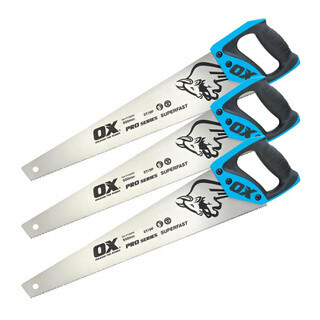
- Cutting stud timber, sheet material, and general first-fix wood on site is where an OX hand saw earns its keep, especially when you need a fast cut without dragging power tools into every room.
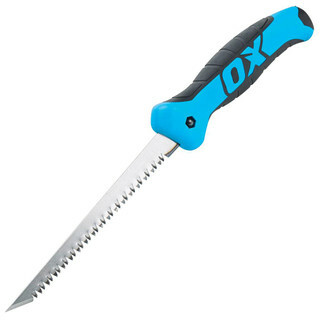
- Opening plasterboard for back boxes, pipe routes, and access points is a standard job for an OX jab saw, giving you better control in tight spots where a full saw is just awkward.
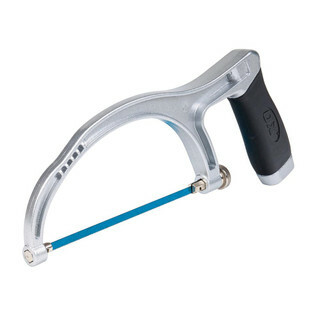
- Trimming threaded rod, bolts, conduit, and light metal sections is exactly what OX hack saws are for, particularly on fit-out and maintenance jobs where clean-up cuts matter.
- Snagging jobs in occupied properties or finished areas are easier with hand saws because you can make quiet, controlled cuts without dust, trailing leads, or waking everyone up.
- Setting out bench cuts with OX squares and bevels helps keep timber and board cuts straight, which saves time when parts need to fit first go.
Choosing the Right OX Saws
Sorting the right one is simple: match the saw to the material, because the wrong blade just wastes time and chews the job up.
1. Wood Saw or Drywall Saw
If you are cutting stud, battens, or sheet timber, go with an OX hand saw with a proper wood-cutting tooth pattern. If you are piercing and shaping plasterboard, use a drywall saw or jab saw instead, because it starts easier and gives you more control in board.
2. Fine Cut or Fast Cut
If the cut will be hidden and speed matters, a more aggressive tooth pattern gets through timber quicker. If the cut needs to stay cleaner for visible joinery or tighter fitting work, go finer and accept that it will cut a bit slower.
3. Trade or Pro Range
If the saw is for occasional van use or snagging, OX Trade will cover the basics. If it is in your hand every day on site, OX Pro is the one to look at for better feel, longer service life, and a blade that stands up to more abuse.
4. Hacksaw Frame and Blade Choice
Do not just buy the frame and hope for the best. If you are cutting metal regularly, blade quality matters as much as the saw itself, and the right blade pitch makes a big difference to how cleanly it cuts and how often you are swapping blades out.
Who Uses These on Site?
- Chippies use OX saws for first-fix timber, sheet trimming, and quick cuts on stud and noggins when it is faster to grab a hand saw than set up a cordless saw.
- Dryliners and sparkies keep an OX drywall saw in the bag for cutting plasterboard openings for sockets, downlights, and access panels without blowing out the face paper.
- Plumbers and heating fitters reach for OX hack saws when cutting threaded rod, plastic pipe supports, and light metal fixings during bracket and plant room work.
- Maintenance teams swear by this sort of kit because it covers small repair jobs all day long, from trimming timber packers to opening wallboard neatly in occupied buildings.
- Anyone working off OX trestles and saw horses will want a saw that tracks straight and does not fight you halfway through the cut.
Saw Accessories and Set Up That Save Hassle
A few sensible extras make hand cutting quicker, straighter, and a lot less frustrating on site.
1. Replacement Hacksaw Blades
Keep spare blades in the van. A dull or wrong-pitch blade will skate across metal, slow the job down, and leave you forcing the cut when you should be through it already.
2. Trestles and Saw Horses
Trying to cut timber on the floor or off your knee is asking for a wandering cut and a sore back. A solid pair of trestles gives you proper support and keeps longer lengths manageable.
3. Squares and Bevels
Bad marking-out ruins more cuts than blunt teeth do. Use a square or bevel to get your line right first, especially on repeated timber cuts or angle work where one bad mark wastes the lot.
Choose the Right OX Saws for the Job
If you know what you are cutting, choosing the right saw gets a lot easier.
| Your Job | Category or Type | Key Features |
|---|---|---|
| Cutting stud timber and general first-fix wood | OX hand saw | Fast wood-cutting tooth pattern, rigid blade, comfortable handle for repeated cuts |
| Opening plasterboard for boxes, pipework, or access | OX drywall saw | Pointed tip for easy starts, narrow blade, good control in board |
| Cutting threaded rod, conduit, and light metal | OX hacksaw | Tensioned frame, replaceable blades, blade pitch suited to metal sections |
| Small repair work in finished or occupied areas | Compact hand saw or jab saw | Quiet cutting, better control, no leads, less mess around finished surfaces |
Common Buying and Usage Mistakes
- Buying one saw to do every material is the usual mistake. Wood, plasterboard, and metal all want different blade styles, and using the wrong one gives rough cuts and more effort than the job needs.
- Choosing the cheapest hacksaw blades and blaming the frame later is false economy. A poor blade slows the cut, wanders off line, and burns time on every single piece.
- Forcing the saw instead of letting the teeth work will bend blades and wreck the cut. Mark it properly, support the material, and use steady strokes rather than trying to muscle through it.
- Ignoring tooth pattern and cut finish catches plenty of people out. Fast-cut saws are ideal for hidden framing work, but if the cut edge matters, pick a finer saw and clean the job up properly.
- Storing saws loose in the van knocks the teeth about and shortens blade life. Keep them protected and dry so they are still cutting straight when you need them.
Hand Saws vs Drywall Saws vs Hacksaws
OX Hand Saws
These are the go-to for timber, sheet material, and general site cutting. They are quicker across wood than a jab saw and far more suitable than a hacksaw, but they are the wrong shape for piercing plasterboard or cutting metal cleanly.
OX Drywall Saws
Drywall saws are built for starting in the middle of a board and shaping openings without dragging a bigger saw around. They are ideal for plasterboard and similar sheet materials, but they are not what you want for repeated timber cuts or metal sections.
OX Hacksaws
Use these for threaded rod, bolts, conduit, and light metal stock where a tensioned blade matters. They are slower in timber and useless for plasterboard cut-outs, but for metal they give a cleaner, more controlled result than trying to improvise with the wrong saw.
Maintenance and Care
Keep the Teeth Clean
Wipe saw blades down after use, especially after cutting resinous timber or dusty board. Built-up muck makes the cut drag and can start surface rust if it is left sitting in the van.
Store Them Properly
Do not throw them loose in with bars, bolts, and blades. Protecting the teeth and keeping the blade straight is half the battle if you want a hand saw that still tracks properly a few months down the line.
Change Worn Hacksaw Blades Early
If a hacksaw starts skating, snagging, or taking twice as long, change the blade. Carrying on with a dead blade only wastes time and makes it harder to keep the cut square.
Check the Handle and Frame
Loose handles and slack hacksaw frames make accurate cutting harder than it needs to be. Give them a quick check before the shift, especially if the saw lives in the back of the van all week.
Why Shop for OX Saws at ITS?
Whether you need an OX hand saw for timber, a jab saw for plasterboard, or hacksaws and blades for metal cutting, we stock the full OX saw range in one place. It is all held in our own warehouse, so you can order the right saw for the job and get it on site fast with next day delivery.
OX Saws FAQs
What saws does OX make?
OX covers the usual site needs properly. That means OX hand saws for timber and sheet cutting, drywall saws for plasterboard openings, and hacksaws with replacement blades for metal cutting and general fitting work.
Are OX saws any good?
Yes, they are a solid trade choice. They are built for everyday site use rather than light DIY cupboard jobs, so you get sensible handles, decent blade rigidity, and cutting performance that stands up well if you pick the right saw for the material.
What is the best hand saw for cutting wood?
For general site timber, the best hand saw for cutting wood is one with a tooth pattern suited to fast, clean cuts through softwood and sheet material. If you are doing rough first-fix, go for speed and durability. If the finish matters more, choose a finer cut saw and work a bit slower.
What is a drywall saw used for?
A drywall saw is used for cutting openings in plasterboard where a full-size hand saw is too clumsy. Think socket boxes, downlight holes, pipe penetrations, and access cut-outs. The pointed blade starts easily in the board and gives you decent control without tearing it to bits.
What is the difference between OX Trade and OX Pro saws?
In simple terms, OX Trade covers dependable everyday basics, while OX Pro is aimed more at users who are on the tools all week and want better feel, finish, and longer-lasting site performance. If the saw is earning its keep daily, Pro is usually the smarter buy.