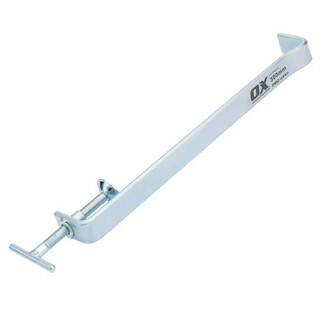
OX Tools Clamps
OX clamps give you the grip you need when timber, metal or profiles will not sit still, from glue-ups and bench work to brick line and framing jobs.
Cheap clamps flex, slip or mark up the work. OX clamps are the sort you buy when the job needs holding properly first time. From OX bar clamps and OX profile clamps to OX speed clamps and OX F clamps, these are built for repeat site use, decent pressure and quick adjustments. Pick the style that suits the material, the opening you need and how often you'll be reaching for it.
What Jobs Are OX Clamps Used For?
- Holding timber steady on the bench, OX bar clamps keep boards, frames and sheet material from walking about while you cut, glue or fix.
- Setting brick and block lines, OX profile clamps give brickies a reliable way to secure profiles so coursing stays true across longer runs.
- Clamping awkward sections during first and second fix, OX speed clamps save time when you need one-handed pressure for quick adjustments.
- Pulling workpieces tight for drilling, sanding or assembly, OX F clamps suit joinery, workshop prep and site-made components that need a firmer hold.
- Keeping finished faces protected, an OX quick release clamp with soft pads helps grip painted, laminated or planed material without chewing the edges up.
Choosing the Right OX Clamps
Sorting the right clamp is simple: match the clamp style to the material and the pressure you actually need, not just the biggest one on the page.
1. Bar Clamp or Speed Clamp
If you are doing repeated hold-and-release work on trim, boards or light framing, go for OX speed clamps because they are quicker in the hand. If you need to wind proper pressure into a glue-up or hold heavier stock square, an OX bar clamp is the better shout.
2. Profile Clamps for Brickwork
If the job is setting brick profiles and running lines, do not bodge it with a general clamp. OX profile clamps are made for that setup and give you a more stable hold where line accuracy matters.
3. Capacity Matters More Than You Think
Check the opening before you buy. A clamp that is always only just big enough is a pain on site, especially once packers, sacrificial blocks or uneven material get involved.
4. Protect the Work Face
If you are clamping finished timber, laminate or coated sections, look for an OX quick release clamp with non marking pads. It saves you from leaving witness marks you then have to sort out later.
Who Uses These on Site?
- Chippies use OX clamps for glue-ups, trimming worktops, holding stud sections and keeping timber straight while fixing on first and second fix jobs.
- Brickies swear by OX profile clamps when setting profiles and lines, especially on longer wall runs where a sloppy setup throws everything off.
- Joiners and bench fitters reach for OX F clamps and OX bar clamps when they need steady pressure across frames, panels and assemblies without the work shifting.
- Maintenance teams and fitters keep OX speed clamps close by for quick hold-and-fix jobs, where one hand is on the material and the other is grabbing screws or drilling.
Clamp Extras That Save Time on Site
A few simple extras make clamping cleaner, safer and less of a faff when the work is awkward or finished.
1. Soft Jaw Pads
These stop you bruising finished faces, marked timber or coated sections. Worth having when the alternative is damaging the job then trying to hide it.
2. Corner Clamping Blocks
Handy for frames, boxes and site-made joinery where you need to keep corners square instead of pulling the whole thing out of line under pressure.
3. Packers and Sacrificial Timber
Not glamorous, but they spread pressure and stop clamp faces digging into the work. Keep a few in the van and you will use them constantly.
Choose the Right OX Clamps for the Job
Use this quick guide to match the clamp to the work in front of you.
| Your Job | Category or Type | Key Features |
|---|---|---|
| Fast one handed holding while fixing trim or sheet | OX speed clamps | Quick trigger action, easy repositioning, useful for light to medium pressure jobs |
| Glue ups, framing and holding heavier timber square | OX bar clamps | Longer reach, stronger clamping force, better for repeated bench and site assembly |
| Setting profiles and keeping brick lines true | OX profile clamps | Built for profile work, secure hold, suited to bricklaying setup and alignment |
| General workshop and joinery pressure work | OX F clamps | Firm screw pressure, solid frame, good control on frames, boards and fabricated parts |
| Clamping finished material without marking it up | OX quick release clamp | Fast action and non marring pads to protect planed, painted or laminated surfaces |
Common Buying and Usage Mistakes
- Buying purely on length and ignoring clamping force is a common one. A long clamp with weak pressure is no use when you need to pull a bow out of timber or hold a glue joint tight.
- Using a speed clamp where a bar or F clamp is needed wastes time. It may hold the piece for a minute, but it will not always give the steady pressure needed for accurate assembly.
- Clamping straight onto finished faces without pads or packers leaves dents and witness marks. Use protected jaws or sacrificial timber if the surface has to stay clean.
- Picking a clamp with no spare opening is asking for grief. Once you add packers, uneven stock or a slightly wider section, you end up back at the van short on capacity.
- Using general clamps instead of profile clamps for brick line work can knock your setup out. If alignment matters, use the right clamp for the profile rather than making do.
Speed Clamps vs Bar Clamps vs F Clamps
OX Speed Clamps
Best when you need quick one handed clamping during fitting, trimming or temporary holding. They are fast and handy, but they are not always the right choice for high pressure glue work.
OX Bar Clamps
A better pick for longer material, stronger pull and repeated assembly work. If you are clamping boards, frames or larger sections, bar clamps usually give you more reach and more useful pressure.
OX F Clamps
These suit bench work, fabrication and joinery where a controlled screw clamp feel matters. Slower than a trigger clamp, but often steadier when you need to wind in pressure properly.
OX Profile Clamps
Different job entirely. If you are setting profiles for brickwork alignment, profile clamps make more sense than forcing a timber clamp to do a brickies job it was never meant for.
Maintenance and Care
Clean the Bar and Jaws
Wipe off glue, mortar dust, sawdust and site muck after use. Letting buildup harden on the bar or jaws makes adjustment rough and stops the clamp seating properly.
Keep Threads and Moving Parts Free
On screw style clamps, keep the thread clear and lightly lubricated so it winds smoothly. If it starts grinding or binding, clean it before you force it and strip something out.
Check Pads for Wear
Worn or missing jaw pads will start marking the work. Replace them or add protection before clamping finished material.
Store Them Dry and Straight
Do not leave clamps buried wet in the bottom of the van. Dry storage helps prevent rust, and storing them properly stops bars getting knocked about unnecessarily.
Replace Bent or Damaged Clamps
If a frame is bent or the mechanism is slipping, retire it. A tired clamp gives poor pressure and can throw work out just when you need it held dead right.
Why Shop for OX Clamps at ITS?
Whether you need OX bar clamps for bench work, OX profile clamps for brick lines, or a quick OX speed clamp for everyday fixing, we stock the full range in one place. It is all held in our own warehouse, in stock and ready for next day delivery, so you can get the right clamp on site without hanging about.
OX Clamps FAQs
What types of clamps does OX Tools manufacture?
OX Tools make a practical spread for site and bench work, including OX bar clamps, OX profile clamps, OX speed clamps, OX quick release clamp options and OX F clamps. The range covers everything from brickwork alignment to joinery hold downs and fast temporary clamping.
Are OX profile clamps suitable for brickwork alignment?
Yes, that is exactly where they earn their keep. OX profile clamps are made for securing profiles so brick lines stay consistent, which matters when you are trying to keep long runs tidy and true rather than chasing small errors all day.
What maximum clamping force do OX bar clamps deliver?
That depends on the exact clamp size and model, so always check the individual product spec before buying. In real use, the important bit is matching the bar clamp to the material and pressure needed, because oversizing or undersizing the job causes more trouble than the number on the sheet.
Do OX quick-release clamps feature non-marring pads?
Many OX quick release clamp models do use non marring pads, and they are worth having if you are working on finished timber, coated board or visible faces. Check the product listing to confirm, but if protecting the surface matters, do not skip that detail.
Are OX clamps site tough, or are they more for workshop use?
They are built with site use in mind, not just a clean bench in a warm shop. That said, no clamp likes being thrown loose under blocks and steel in the van, so look after them and they will hold up far better over time.
Which OX clamp should I buy for quick fitting jobs?
Go for OX speed clamps or an OX quick release clamp if the work is light to medium duty and you need fast one handed use. For glue pressure, larger sections or work that must stay dead square, move up to OX bar clamps or OX F clamps.