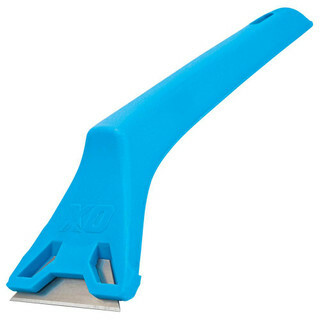
OX Tools Cleaning & Preparation
OX cleaning and preparation tools sort the messy jobs first, from scraping back filler to keying surfaces and brushing out dust before paint goes on.
If you're decorating over loose paint, rough filler or dusty walls, this is the kit that saves you grief later. OX surface preparation tools are built for the unglamorous work that makes the finish look right, with ox filling knives, ox scrapers, ox wire brushes and ox sanding blocks that stand up to daily site use.
What Are OX Cleaning and Preparation Tools Used For?
- Scraping back flaky paint, old paper and loose filler on refurbs gets the surface sound before you waste time rolling paint over something that is only going to fail.
- Cleaning down masonry, timber and metal with ox wire brushes helps shift rust, dust and stubborn debris before filling, sealing or repainting starts.
- Sanding patched areas with ox sanding blocks smooths out proud filler and rough edges so touch-ups do not flash through the topcoat under site lighting.
- Applying and feathering filler with ox filling knives makes it easier to level dents, cracks and chasing marks on walls, ceilings and woodwork before decorating.
- Prepping skirting, frames and previously painted surfaces with ox prep tools gives primers and topcoats a better key, which matters on busy jobs where call-backs cost time.
Choosing the Right OX Cleaning and Preparation Tools
Match the tool to the surface and the stage of the job. Do not try to make one scraper or knife do everything.
1. Filling Knives for Repairs and Feathering
If you are patching small dents, screw holes and skim imperfections, go for ox filling knives that let you spread and feather filler cleanly. If you are working wider repair areas, choose a broader blade so you are not leaving ridges to sand out later.
2. Scrapers for Stripping Back
If the job is loose paint, old adhesive or stubborn surface build-up, pick ox scrapers made for proper removal work. For fine prep, a scraper wants control. For heavier clear-out, you want a blade and handle that can take more pressure without twisting in your hand.
3. Wire Brushes for Material and Surface Type
If you are cleaning rust from metal or brushing out rough masonry, ox wire brushes are the better shout than trying to sand everything. Use them where you need to get into texture and edges, not on finished surfaces you are trying to keep tidy.
4. Sanding Blocks for Finish Control
If you are just knocking back filler and keying paintwork, ox sanding blocks give you more feel than a power sander and less mess on small jobs. For broad walls and ceilings, they are best for detail work and touch-ins rather than trying to sand the whole room by hand.
Who Uses These on Site?
- Decorators use ox cleaning and preparation tools every day for stripping back loose material, filling damage and sanding walls properly before the first coat goes on.
- Builders and snagging teams keep ox scrapers and ox filling knives handy for tidying up plaster blemishes, adhesive residue and knocks left behind by other trades.
- Joiners and kitchen fitters use ox sanding blocks and scrapers to clean up timber, trim filler lines and prep frames, skirting and panels before finishing.
- Maintenance teams reach for ox wire brushes when rust, grime or flaky coatings need shifting off gates, pipework and external metal before repainting.
The Basics: Understanding Surface Preparation Tools
Good decorating starts before the tin gets opened. These tools each do a different bit of the prep, and getting that order right saves time and gives you a cleaner finish.
1. Scrape Off Anything Unsound First
Scrapers are there to remove what should not be left underneath. Loose paint, old filler edges and stubborn residue all need shifting first or your new finish is only stuck to the mess below it.
2. Fill and Level the Damage
Filling knives spread filler into cracks, dents and chasing marks, then feather the edges so the repair blends in. The better this stage is done, the less sanding and touching up you are stuck with later.
3. Sand and Brush for a Proper Key
Sanding blocks smooth the repair and key glossy surfaces, while wire brushes clear dust, rust and debris from rougher materials. That gives paint, primer or filler a sound surface to grip to instead of sitting on dust.
Useful Extras for Prep and Clean-Up
A few simple add-ons make prep work quicker and stop small jobs dragging on.
1. Replacement Abrasives
Keep fresh sanding sheets or abrasive packs nearby. Blunt paper just polishes filler and paint instead of cutting it back, which means more effort and a poorer finish.
2. Dust Sheets
Get dust sheets down before you start scraping and sanding. You will thank yourself when you are not chasing filler dust and old paint flakes round the room at the end of the shift.
3. Filling Compounds
There is no point buying ox filling knives without the right filler for the job. Match the compound to the repair so you are not fighting shrinkage, cracking or long dry times.
Choose the Right OX Cleaning and Preparation Tools for the Job
Use this quick guide to match the prep tool to the work in front of you.
| Your Job | Category or Type | Key Features |
|---|---|---|
| Removing flaky paint and stubborn residue | OX scrapers | Rigid blade control, comfortable grip, built to take pressure on strip-back work |
| Filling dents, cracks and small wall damage | OX filling knives | Flexible spread, clean feathering, easier patch blending before sanding |
| Cleaning rust, masonry dust or rough debris | OX wire brushes | Gets into texture, clears loose material, suits metal and rough prep work |
| Smoothing filler and keying painted surfaces | OX sanding blocks | Better hand control, even pressure, tidy for touch-ins and detailed prep |
| General patching and decorating prep | OX prep tools | Mix of scraping, filling and finishing options for snagging and refurb jobs |
Common Buying and Usage Mistakes
- Using a filling knife as a scraper is a fast way to damage the blade and get a poor finish. Keep stripping and filling as separate jobs with the right tool for each.
- Skipping sanding after filling leaves proud patches that show through emulsion, especially in side light. Always knock repairs back properly before paint goes on.
- Choosing wire brushes for finished surfaces can mark material you were trying to tidy up. Save them for rust, heavy debris and rougher prep where abrasion is needed.
- Painting over dust and loose debris wastes time because the coating will not bond properly. Brush down or wipe the area after sanding and scraping before moving on.
- Buying one cheap all-purpose prep tool for every task usually means harder work and a rougher result. Match the blade, brush or block to the job and the surface.
Filling Knives vs Scrapers vs Sanding Blocks
Filling Knives
Best for applying and feathering filler into holes, cracks and surface damage. They are for building a repair, not ripping old material off the wall.
Scrapers
Best for removing flaky paint, residue and loose build-up before prep starts. They are the choice when the surface is unsound and needs cutting back first.
Sanding Blocks
Best for smoothing repairs and keying painted surfaces by hand. They give more control than powered sanding on small details, but they are slower on large open areas.
Wire Brushes
Best for rust, rough masonry and stubborn debris where sanding is not enough. They are useful for cleaning back, but too aggressive for every finished surface.
Maintenance and Care
Clean Off Filler and Dust Straight Away
Do not leave filler drying on blades or dust packed into handles and sanding blocks. A quick clean after use keeps edges working properly and saves scraping hardened mess off later.
Keep Blade Edges Straight
Store filling knives and scrapers flat or protected in the box, not rattling round loose in the van. Bent edges leave lines in filler and make clean scraping harder than it needs to be.
Replace Worn Abrasives Early
If your sanding block is loaded up or the abrasive has gone smooth, change it. Pushing on with dead grit just wastes time and can burnish the surface instead of keying it.
Brush Out Wire Brushes After Heavy Use
Clear trapped paint flakes, rust and debris from the bristles so the brush keeps cutting properly. Once the bristles are badly flattened or missing, it is time to replace it.
Replace Damaged Tools Before Finish Work
If a scraper edge is chipped or a filling knife is badly bent, retire it from finish prep. Rough tools leave rough results, and that always shows up once the paint dries.
Why Shop for OX Cleaning and Preparation Tools at ITS?
Whether you need ox filling knives, ox scrapers, ox wire brushes or ox sanding blocks, we stock the full spread of ox cleaning and preparation tools for proper decorating prep. It is all held in our own warehouse, in stock and ready for next day delivery, so you can get the right prep kit on site without hanging about.
OX Cleaning and Preparation Tools FAQs
What tools are used for surface preparation?
For proper prep, you are usually looking at scrapers for loose paint and residue, filling knives for repairs, sanding blocks for smoothing and keying, and wire brushes for rust or rough debris. That is why this range of ox surface preparation tools makes sense. It covers the jobs that actually decide whether the finish lasts.
How do you prepare walls before painting?
Start by scraping off anything loose, then fill cracks and dents, sand the repairs smooth and brush or wipe off the dust. That is the honest order of work on site. If you skip the scraping or dusting stage, the paint can still fail no matter how careful you are with the topcoat.
What is a filling knife?
A filling knife is a flat hand tool used to pick up, spread and feather filler into damaged areas. It is the bit of kit you use for screw holes, hairline cracks, small dents and patch repairs. A decent one gives you enough flex to leave a flatter repair, which means less sanding after.
Do you need to sand walls before painting?
Yes, if there are repairs, rough patches, filler edges or glossy painted areas, sanding matters. It smooths the surface and gives the new coat a proper key. You do not always need to go at every wall heavily, but ignoring obvious high spots and shiny patches is asking for a poor finish.
Are OX scrapers any good?
Yes, for trade prep work they are a solid shout. OX scrapers are built for proper strip-back and clean-up jobs, not just the odd bit of DIY picking. The main thing is choosing the right scraper for the material and not expecting one shape or blade style to suit every surface.