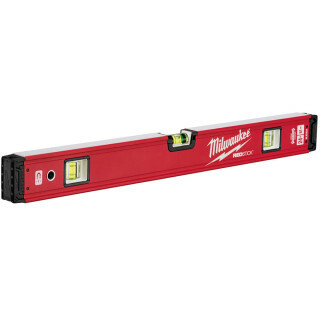
Milwaukee REDSTICK Guides and Measures
Milwaukee Redstick levels are built for straight, reliable set-out, first fix, and site checks where a flimsy level or blurry vial just slows you down.
When you're setting kitchens, lining up stud, checking tray falls or knocking in blockwork, a decent Milwaukee Redstick level saves repeat work. The frames are tough, the vials are clear, and the magnetic options actually stay put on steel. If you want proper layout gear that stands up to daily van life, this is where to start, and you can browse the wider Milwaukee REDSTICK range here.
What Are Milwaukee Redstick Levels Used For?
- Setting out stud walls, door linings, kitchen runs and first-fix timber where a straight read saves you from chasing errors further down the job.
- Checking blockwork, lintels and brick courses on site where a clear Milwaukee Sharpsite level vial is easier to read quickly in poor light or awkward positions.
- Working on steel frames, trunking and containment where a redstick magnetic level holds to the surface instead of slipping while you mark or fix.
- Sorting falls on pipework, trays and channels where you need repeatable readings across multiple points rather than guessing by eye.
- Handling snagging, fit-out and final checks when you need layout gear that comes out the van straight and still reads true after a few knocks.
Choosing the Right Milwaukee Redstick
Sorting the right one is simple: match the length and frame style to the work, not to what happens to be cheapest.
1. Pick the Length for the Actual Set-Out
If you're doing kitchen units, door casings and tight plant room work, a shorter Milwaukee Redstick level is easier to carry and quicker to place. If you're running stud, checking longer walls or laying out bigger sections, go longer so you can spot dips and twist properly instead of reading over too short a span.
2. Magnetic or Non Magnetic
If you work on steel stud, containment, cable tray or structural steel, don't mess about and get a redstick magnetic level. It saves a lot of one handed balancing. If you're mainly on block, timber or general fit-out, a non magnetic model keeps weight down and does the job fine.
3. Buy a Set or Buy Single
If you're replacing one worn-out favourite, start with the Milwaukee REDSTICK Individual Spirit Levels range. If you're kitting out a van or want a proper spread of lengths for first fix through to finish work, a set is usually the better shout.
4. Think About the Abuse It Will Take
If your level lives in the back of the van with other hand tools, gets dropped on concrete and comes out for daily graft, buy for frame strength and vial visibility first. Fancy extras mean nothing if the thing goes out after a few knocks or is hard to read in dusty corners.
Who Uses These on Site?
- Chippies use Milwaukee Redstick level options for studwork, door sets and kitchen installs because the frame stays solid and the vial is easy to read when you're moving fast.
- Sparkies reach for a redstick magnetic level when setting trunking, tray and containment, especially on steel, because it frees up a hand while marking and fixing.
- Plumbers and heating engineers use them for brackets, pipe runs and checking falls on waste work, where a bad read means rework once everything is clipped in.
- Brickies and general builders keep a Milwaukee Redstick level close for blockwork, lintels and quick site checks, because a level that survives knocks is worth having.
- Fitters and maintenance teams often keep one in the van for snagging and install work, and many buy from the Milwaukee REDSTICK Spirit Levels range to match the jobs they do most.
The Basics: Understanding Milwaukee Redstick Levels
A spirit level sounds simple, but the bits that matter are the vial clarity, frame strength and how easy it is to get a trustworthy read on site. Here is the short version.
1. The Vial Tells You If It Is True
The bubble sits between marked lines to show level or plumb. On a good Milwaukee Sharpsite level, the vial is shaped and positioned to make the reading clearer and faster, which matters when you are checking overhead work, low skirtings or awkward corners.
2. Frame Length Changes What You Can See
A short level is handy for brackets, sockets, trays and tight areas, but it will not show a long dip or bow as well as a longer one. For walls, runs and bigger set-out, more length gives you a truer picture of the surface.
3. Magnets Help on Steel Work
A redstick magnetic level grips to steel so you can mark, drill or fix without trying to hold everything at once. It is not about gimmicks. It is about getting cleaner, faster set-out on containment, framing and metalwork.
Useful Add Ons for Milwaukee Redstick Layout Work
A level does the reading, but a few bits around it make set-out quicker and stop small errors turning into call-backs.
1. Spirit Level Sets
If you keep finding your one level is too short for walls and too long for cupboards, stop making do. Milwaukee Spirit Level Sets give you proper coverage for van stock, first fix and finish work without having to compromise on every other job.
2. Site Lighting
Bad light causes bad reads, especially in risers, lofts and late snagging jobs. Decent Milwaukee Site Lighting & Torches helps you read vials clearly and mark accurately instead of guessing in shadows.
Choose the Right Milwaukee Redstick for the Job
Use the job in front of you to narrow it down quickly.
| Your Job | Level or Type | Key Features |
|---|---|---|
| Setting sockets, brackets, pipe clips and short runs | Short Milwaukee Redstick level | Easy to carry, quicker in tight spots, good for van and snagging work |
| Stud walls, door sets and kitchen install | Mid length Milwaukee Redstick level | Good balance of reach and control, accurate for everyday first and second fix |
| Long walls, blockwork and bigger set-out | Long Milwaukee Redstick level | Shows dips and bowing better over distance, more useful on masonry and framing |
| Steel stud, trunking, tray and containment | Redstick magnetic level | Magnet holds to steel, frees a hand for marking, drilling and fixing |
| Replacing old van stock across several jobs | Milwaukee Redstick set | Multiple lengths ready to go, better value than buying ad hoc singles later |
Common Buying and Usage Mistakes
- Buying one short level for every job sounds cheaper, but it misses dips and twist on longer runs. Use a longer Milwaukee Redstick level where the span actually matters.
- Choosing a non magnetic model for steel work slows everything down and leaves you balancing the level with one hand. If you work on containment or framing, buy the magnetic version from the start.
- Trusting a battered old level without checking it can cost you a full rework. If it has taken a proper drop, test it before using it on anything critical.
- Reading the vial in poor light leads to lazy marks and small errors that show up later. Get better lighting on the work area instead of blaming the level after the fact.
- Leaving levels loose in the van under heavy gear knocks them out faster than the job does. Store them where the frame and vial are not taking constant abuse.
Magnetic vs Non Magnetic vs Level Sets
Magnetic Redstick Levels
Best for steel stud, containment, trunking and metal frames where the level can hold itself in place. They are the right pick when one handed marking and fixing is part of the day. If you rarely touch steel, the magnets are less of a benefit.
Non Magnetic Redstick Levels
A solid choice for timber, blockwork, plasterboard and general fit-out where you do not need magnetic hold. They keep things simple and are ideal if your work is mainly masonry or joinery rather than metal framing.
Individual Levels
Buy single levels when you know the exact length you use most and want to replace like for like. Good for topping up van stock or adding one specialist size without buying a full bundle.
Level Sets
Best for mixed site work where no one length covers everything. A set makes more sense for builders, fitters and maintenance teams moving between short checks, cabinet work and longer set-out across the same week.
Maintenance and Care
Keep the Faces Clean
Wipe off plaster, adhesive, mortar and dust after use so the frame sits flat on the work. Build-up on the edges gives false readings and wastes time.
Check Accuracy After Heavy Knocks
If the level has been dropped off steps or bounced around in the van, test it before using it on finished work. A quick check is far better than pulling a run apart later.
Look After Magnetic Edges
On magnetic models, keep the magnetic face clear of swarf and filings. Tiny metal bits stop it sitting cleanly and can scratch finished steel or throw the reading off.
Store It Properly
Do not bury your Milwaukee Redstick under breakers, boxes and pipe benders. Keep it flat or clipped up in the van so the frame and vials are not taking pointless punishment.
Replace When You Stop Trusting It
If the frame is visibly damaged, the vial is hard to read or it no longer matches a checked reference, retire it. A level is only useful if you trust every reading first time.
Why Shop for Milwaukee Redstick at ITS?
Whether you need one replacement Milwaukee Redstick level for daily snagging or a full spread of lengths for set-out, first fix and fit-out, we stock the proper range. That includes magnetic options, singles and sets, all held in our own warehouse and ready for next day delivery.
Milwaukee Redstick FAQs
What makes Redstick levels more accurate than standard levels?
The big difference is how easy they are to read and how well they hold up to site abuse. A Milwaukee Redstick level uses clearer vial viewing and a strong frame, so you are less likely to misread it or end up using a level that has gone out after a few knocks. That is what matters on real jobs.
Are Milwaukee Redstick levels guaranteed for life?
Many Milwaukee Redstick products are sold with a limited lifetime accuracy warranty, but always check the exact product listing because cover can vary by model and damage type. It backs up the build quality, but it does not mean a level can be abused forever without checking it.
What is Milwaukee Sharpsite vial technology?
It is Milwaukee's vial design that makes the bubble easier to see from more angles and in tighter working positions. In plain terms, it helps you get a quicker, cleaner read when you are checking plumb or level in awkward spots instead of crouching about trying to line your eye up perfectly.
Are Redstick magnetic levels actually strong enough for steel work?
Yes, for normal site set-out on steel stud, containment and trunking they do the job properly. They are there to hold the level in place while you mark and fix, not to perform miracles on filthy, uneven or heavily painted steel. Keep the magnetic face clean and they are a real help.
Should I buy one Milwaukee Redstick level or a full set?
If you already know the length you use every day, one is fine. If your work jumps between cabinets, stud, blockwork and snagging, a set saves time and stops you forcing the wrong size level onto the wrong job.
Do these hold up in the van, or are they just workshop tidy?
They are built for trade use, not shelf life. The frame is tough and the vial setup is made for site visibility, but be honest, any level will suffer if it is thrown loose under heavy kit for months. Store it properly and it will last well.