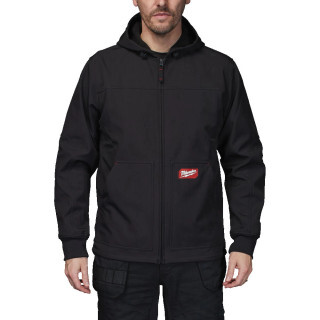
Milwaukee FREEFLEX Coats, Jackets & Bodywarmers
Working outside in the cold? Milwaukee Freeflex coats and jackets add a layer without restricting your reach.
For fitters, chippies and maintenance teams, the right cut matters when lifting materials or working overhead. Check each garment's insulation and weather protection rather than buying on thickness alone. Choose a jacket or bodywarmer to suit your shift.
What Are Milwaukee Freeflex Coats and Jackets Used For?
- Keep your upper body covered during cold first-fix work in unheated buildings, choosing insulation to suit how much moving and lifting you are doing.
- Load timber, carry materials and reach overhead with a jacket that leaves enough room across the shoulders without loose cuffs catching on the work.
- Move between the van, yard and indoor jobs in a bodywarmer when you need warmth around your core but want your arms unrestricted.
- Carry out exposed maintenance work with an outer layer whose stated wind and water protection matches the conditions, keeping waterproofs available for sustained rain.
Choosing the Right Milwaukee Freeflex Coats and Jackets
Buy for the coldest part of your working day, but leave yourself a way to shed heat once the graft starts.
1. Full Sleeves or a Bodywarmer
If you spend long periods outside or standing still, choose a jacket for arm coverage. If you are constantly lifting, fitting or moving between indoors and out, a Milwaukee Freeflex bodywarmer leaves your arms clear while adding warmth around your torso.
2. Insulation or Lighter Weather Protection
For cold, slower-paced work, look for a garment with stated insulation. For active work in milder conditions, a lighter layer may be more useful. Check the individual specification: a softshell description alone does not tell you how warm or weatherproof a jacket is.
3. Room for Your Working Layers
Try the jacket over the sweatshirt or fleece you actually wear to work. Reach forward, lift both arms and bend down. If the shoulders pull tight or the hem exposes your lower back, change the size or cut rather than putting up with it all winter.
4. Weather Protection You Can Verify
If wet weather is part of the job, check the stated waterproof performance and seam construction. Water resistance is not a replacement for waterproof clothing during prolonged rain. Check hood details too, especially if you need to wear head protection.
Who Uses Milwaukee Freeflex Outerwear?
Chippies and fitters need room across the back for carrying boards and fixing overhead, while sparkies and plumbers working through unheated refurbs need layers they can adjust as the building warms up. Yard staff and maintenance teams should choose between a jacket and bodywarmer according to exposure, activity level and how often they move indoors.
Choose the Right Milwaukee Freeflex Outerwear for the Job
Match the garment specification to your workload and exposure.
| Your Job | Outerwear Type | Key Features |
|---|---|---|
| Cold, unheated first-fix work | Insulated jacket | Stated insulation, full arm coverage and space for a mid-layer without restricting movement. |
| Repeated lifting and fitting between indoors and out | Bodywarmer or gilet | Core coverage with unrestricted arm movement and a close but comfortable fit. |
| Active maintenance in cool, changeable conditions | Lighter jacket or softshell, subject to specification | Suitable breathability, stated wind resistance and enough room to reach and bend. |
| Exposed work with prolonged rain forecast | Verified waterproof outerwear | Stated waterproof performance, suitable seam construction and coverage; do not rely on water resistance alone. |
Common Buying and Usage Mistakes
- Buying the thickest jacket for heavy physical work can leave you sweating through your layers. Match insulation to your activity level and use layers you can remove.
- Treating water-resistant fabric as waterproof can leave you soaked during a long outdoor shift. Check the garment's stated protection and carry a suitable waterproof layer when needed.
- Choosing your size over a T-shirt alone can make the jacket too tight over winter workwear. Check the size guide and allow for your normal working layers.
- Assuming reflective trim makes a jacket suitable for a hi-vis requirement risks turning up with the wrong clothing. Check the required standard and wear certified hi-vis where specified.
Insulated Jacket vs Softshell Jacket vs Bodywarmer
Insulated Jacket
Choose insulation for cold conditions and jobs where you spend time standing still. It provides more warmth than a comparable uninsulated layer, but can be too much for sustained carrying or climbing. Insulation does not establish waterproof performance.
Softshell Jacket
A softshell can suit active work where flexibility and lighter weather protection matter more than maximum warmth. Construction varies, so check the lining, wind resistance and water protection rather than assuming every softshell performs alike.
Bodywarmer or Gilet
A Milwaukee Freeflex gilet suits jobs where sleeves get in the way or make you too hot. It adds torso coverage over a suitable working layer, but leaves your arms exposed to cold and weather. Choose a full jacket for longer periods outside if that becomes uncomfortable.
Maintenance and Care
Follow the Garment Label
Check washing temperature, detergent guidance and drying instructions before cleaning. Different fabrics, insulation and finishes need different treatment; do not assume every Milwaukee work coat can go through the same wash.
Remove Site Dirt Carefully
Remove loose dirt gently before washing and empty every pocket. Avoid aggressive scrubbing or solvents that could damage the outer fabric or its finish. Follow site procedures for clothing contaminated with hazardous substances.
Dry Before Storing
Do not leave a damp jacket bundled in the van overnight. Dry it as directed on the label, away from direct heat unless expressly permitted, then store it somewhere dry.
Check Damage Before It Spreads
Check cuffs, pocket openings, seams and zips regularly. Deal with small tears using a repair suitable for the fabric; replace the garment when damage prevents secure fastening or leaves it unable to provide the coverage you need.
Why Shop for Milwaukee Freeflex Coats and Jackets at ITS?
ITS stocks the full Milwaukee Freeflex coats, jackets and bodywarmers range, with sizes and garment options for different working layers and conditions. Stock is held in our own warehouse, ready for next-day delivery. Check your chosen garment's size availability and the delivery details before ordering.
Milwaukee Freeflex Coats and Jackets FAQs
Are Milwaukee Freeflex jackets warm enough for winter?
That depends on the model, your layers and how exposed the job is. A Milwaukee Freeflex insulated jacket is the type to consider for colder shifts, but check its stated construction rather than expecting every Freeflex jacket to offer the same warmth. Standing outside needs more insulation than carrying materials through an unheated building.
Is a bodywarmer or a jacket better for site work?
A bodywarmer suits active fitting, lifting and frequent trips indoors because it leaves your arms clear. A jacket makes more sense when your arms need protection from cold and wind. Choose according to exposure and workload, not simply which garment feels warmer when you first put it on.
Are Milwaukee Freeflex coats water resistant?
Check the individual Milwaukee Freeflex coat specification; the range name alone does not establish water resistance. Where a water-resistant finish is stated, do not treat it as a guarantee of protection through sustained rain. For wet outdoor shifts, look for explicit waterproof performance and suitable seam construction.
Do Milwaukee Freeflex jackets have a hood?
Hood provision is model-specific, so check the description and photographs of the exact jacket before ordering. If a hood is essential, also check whether it is fixed or removable and how it adjusts. Do not assume it will fit safely with your hard hat without checking compatibility.
How should a Milwaukee work jacket fit?
It should fasten comfortably over your normal work layers without pulling across the shoulders or chest. Reach forward, raise your arms and bend at the waist: the cuffs should not pull excessively back and the hem should keep your lower back covered. Avoid excess loose fabric around moving machinery.
Are Milwaukee Freeflex coats windproof?
Do not assume every model is windproof. Check for an explicit windproof or wind-resistant claim on the garment specification; these descriptions are not interchangeable. For exposed work, cuff fit, neck coverage and the main fastening also affect how much draught reaches your inner layers.
Do Milwaukee Freeflex jackets have reflective details?
Reflective details must be checked on the individual model rather than assumed across the range. Even where reflective trim is fitted, it does not make the jacket certified high-visibility clothing. If your site requires hi-vis, check the garment's stated certification against that requirement.
Is a softshell or insulated jacket better for site work?
Choose by construction and workload, because softshell and insulated are not necessarily mutually exclusive. A lighter softshell generally suits active work in cool conditions, while more insulation helps during colder, less active shifts. If you are considering a Milwaukee Freeflex softshell jacket, check its lining and weather protection before comparing it with an insulated option.