Metabo Saws
Metabo mitre saw options are built for clean, repeatable cuts in timber, sheet and trim, whether you're first fixing on site or finishing a fit-out properly.
If you're knocking out studwork, trimming skirting or cutting carcassing all day, a decent saw saves time and keeps the cuts honest. Metabo kit is well regarded for solid fences, reliable angle settings and saws that stand up to van life. If you need portability, accuracy or a bigger cross cut, start with the right Metabo Mitre Saws range and buy for the work you actually do.
What Are Metabo Saws Used For?
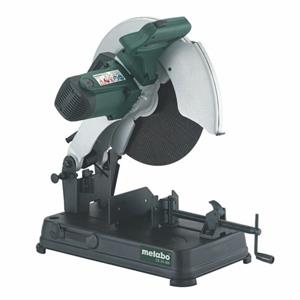
- Cutting stud timber, CLS and carcassing on first fix is where a metabo mitre saw or metabo chop saw earns its keep, especially when you need repeat cuts that stay square without constant fettling.
- Trimming skirting, architrave, flooring and finishing timber suits the finer side of the range, where clean mitres and bevels matter more than brute force.
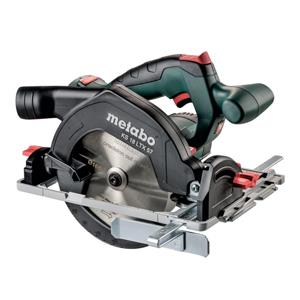
- Ripping sheet material, boards and site timber is better handled by a metabo circular saw when you are working away from the bench and need to move room to room.
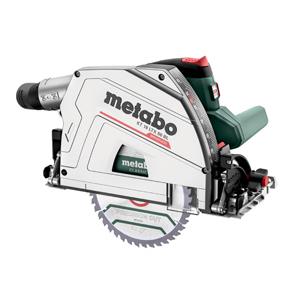
- Breaking down fitted panels, worktops and cleaner joinery cuts is the job for Metabo Plunge Saws, especially when tear-out and finish quality actually matter.
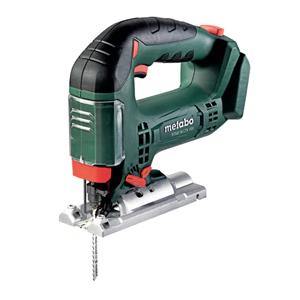
- Cutting curves, scribing awkward trims and dealing with detail work in kitchens, refurbs and second fix is where Metabo Jigsaws make more sense than forcing a straight-cut saw into the wrong job.
Choosing the Right Metabo Saw
Sorting the right one is simple: match the saw to the cut, not the badge on the box.
1. Mitre Saw or Circular Saw
If your day is mostly repeat cross cuts, skirting, stud timber or trim, go straight to a metabo mitre saw. If you are breaking down sheets, trimming doors in place or cutting timber where it lies, a metabo circular saw is the more useful bit of kit.
2. Cordless for Site or Corded for Bench Work
If you are moving plot to plot, working outdoors or setting up where power is a pain, a metabo cordless mitre saw makes more sense. If the saw is living in one spot all day and cutting continuously, corded still saves you worrying about charge cycles.
3. Sliding or Non Sliding
If you mostly cut battens, trim and smaller stock, a standard chop saw can be enough. If you regularly deal with wider boards, shelving, worktop blanks or deeper sections, a metabo sliding mitre saw gives you the reach you will actually use.
4. Blade Size and Capacity
Do not buy by motor alone. If you are cutting larger timber sections or want more cross-cut capacity, step up to the bigger blade sizes such as a metabo 305 mitre saw. For lighter trim work, a smaller saw is easier to carry and quicker to live with on site.
Who Uses These Metabo Saws?
- Chippies and house bashers rely on a metabo mitre saw for first-fix timber, roof battens, stud walls and repeat cross cuts where speed matters but the cuts still need to land right.
- Kitchen fitters and second-fix joiners use them for skirting, architrave, trims and cleaner finishing cuts, especially when a sliding mitre saw gives them the extra reach on wider boards.
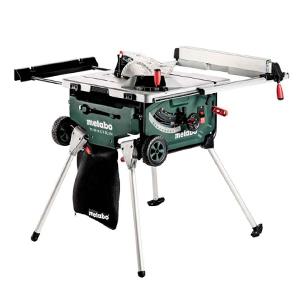
- Site carpenters and workshop teams often pair mitre saws with Metabo Table Saws so they can cross cut accurately in one spot and rip stock properly in another.
- Mobile trades and installers doing room-to-room work usually want a cordless option or a compact saw that lifts in and out the van without wrecking their back by Friday.
The Basics: Understanding Metabo Saws
The main thing is knowing which saw gives you the cut you need with the least faff on site. Here is the simple version.
1. Mitre Saws for Fast, Repeat Cross Cuts
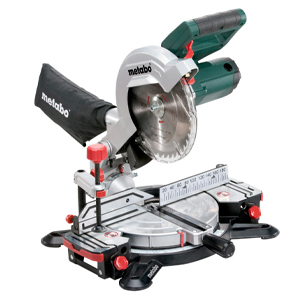
A metabo mitre saw brings the blade down onto fixed material, which is why it is so useful for repeat lengths, clean mitres and bevel cuts. It is the one for studwork, trim, skirting and timber you want cut square and quickly.
2. Sliding Models for Wider Material
A sliding mitre saw adds rails so the head travels through the cut. That extra travel is what lets you cut wider boards and sheet strips without flipping the workpiece and hoping both cuts meet properly.
3. Circular and Plunge Saws for Material on the Move
A metabo circular saw is better when the saw travels to the board, not the other way round. For cleaner guided cuts in worktops, doors and panels, plunge saws with rails are the neater answer.
Metabo Saw Accessories That Make Site Life Easier
A few sensible add-ons stop bad cuts, awkward setups and wasted trips back to the van.
1. Saw Stands
Do not balance a mitre saw on the nearest pack of plasterboard and hope for the best. Proper Metabo Saw Stands support long timber, speed up repeat cuts and save your back when you are on the saw all day.
2. Spare Blades
Keep the right blade for the material. A tired blade tears trim, burns timber and makes the motor work harder than it should. One for rougher site timber and one for cleaner finish work is a sensible setup.
3. Batteries and Chargers
If you are using a metabo 18v mitre saw or other cordless saw, a spare battery is not optional on a full shift. Getting halfway through a run of cuts with a flat pack is the sort of mistake that slows the whole job down.
4. Guide Rails
For plunge saw work, guide rails are what make sheet cutting accurate rather than rough and hopeful. They are worth having if you are doing built-ins, worktops or fitted panel work where a wandering cut is money lost.
Choose the Right Metabo Saw for the Job
Pick the saw by material, cut type and how often you need to move it.
| Your Job | Category or Type | Key Features |
|---|---|---|
| First-fix studwork and repeat timber cross cuts | Metabo chop saw or non-sliding mitre saw | Fast setup, solid fence, accurate mitre stops, easier carry weight |
| Wider boards, shelving, trims and second-fix work | Metabo sliding mitre saw | Rail travel, bigger cross-cut capacity, bevel and mitre adjustment |
| Plot-to-plot work with no easy power supply | Metabo cordless mitre saw | 18V platform, portable setup, quicker deployment on live sites |
| Breaking down sheets and site timber on the floor or trestles | Metabo circular saw | Portable cutting, depth adjustment, better for long straight runs |
| Clean guided cuts in panels, doors and worktops | Metabo plunge saw | Guide rail compatibility, neater finish, controlled plunge cuts |
Common Buying and Usage Mistakes
- Buying a non-sliding saw for wide boards is a common one. You save a bit up front, then spend the rest of the job flipping material and chasing cuts that do not quite meet.
- Using the wrong blade for finished timber ruins the job quickly. A rough framing blade on skirting or architrave leaves tear-out and costs you time cleaning up what the saw should have done properly.
- Ignoring weight and size for mobile work catches plenty of lads out. A big bench saw is fine in one place, but if you are lifting it in and out the van daily, compact and cordless can be the smarter buy.
- Assuming every circular saw works with guide rails leads to awkward sheet cutting and poor finish quality. Check compatibility before you buy if straight, repeatable panel cuts are part of the work.
- Running blunt blades for too long puts strain on the saw and gives worse cuts. If the blade is burning timber, snatching or leaving furry edges, change it before it starts costing you accuracy.
Mitre Saws vs Circular Saws vs Plunge Saws
Metabo Mitre Saw
Best for repeat cross cuts, mitres and bevels in timber and trim. This is the right choice when accuracy and speed matter more than mobility around large sheet material.
Metabo Circular Saw
Better when you need to carry the saw to the material, especially for boards, sheets and general site timber. Quicker to move about, but not as tidy for repeated angle cuts as a mitre saw.
Metabo Plunge Saw
The neater option for guided cuts in panels, doors and worktops. Slower to set up than a basic circular saw, but far better when finish quality and straightness actually count.
Sliding vs Non-Sliding Mitre Saw
Non-sliding models are simpler and often easier to shift about for standard site timber. Sliding models take up more room but pay you back when wider material is a regular part of the day.
Maintenance and Care
Keep the Table and Fence Clean
Dust and resin build-up throw workpieces off and spoil accuracy. Brush the bed, fence and guides down after use so cuts stay square and stock sits flat.
Change Blades Before They Ruin the Cut
A blunt blade works the motor harder and leaves ragged edges. If cuts start burning, tearing or wandering, fit a fresh blade rather than forcing another week out of it.
Check Rails, Pivots and Stops
On sliding and compound saws, keep an eye on rails, bevel locks and mitre detents. If anything starts to bind or develop play, sort it early before your angle cuts drift off.
Store Cordless Kit Properly
Do not leave batteries flat in a freezing van for weeks. Charge them sensibly, keep contacts clean and store the saw dry if you want decent runtime and fewer battery headaches.
Replace Worn Parts When Accuracy Goes
If guards stick, fences are bent or the base has taken a hard knock, do not just work around it. Saws earn their money by cutting true, so repair or replace damaged parts before the job quality slips.
Why Shop for Metabo Saws at ITS?
Whether you need a compact metabo chop saw for first fix, a bigger sliding mitre saw for second fix work, or a circular saw for sheet work, we stock the full spread. That includes cordless and corded options across the Metabo saw range, all held in our own warehouse and ready for next day delivery.
Metabo Saw FAQs
What is the difference between evolution and Metabo mitre saw?
The main difference is usually what the saw is aimed at. Metabo mitre saw models are typically chosen for accurate timber cutting, reliable settings and solid day to day site use. Evolution often appeals where multi material cutting is the main draw. If your work is mostly stud, trim, skirting and clean joinery cuts, Metabo is usually the safer bet.
Which Metabo saw is best for site work?
That depends on the work, but for mobile carpentry a compact cordless mitre saw is usually the most practical. If you are room to room or plot to plot, lighter weight and battery power matter. For sheet cuts and rough breakdown work, a circular saw is often the better site tool because you can take it straight to the material.
Are Metabo saws brushless?
Some are, some are not, so check the individual model rather than assuming. Brushless motors are worth having if you use the saw hard and often because they tend to run more efficiently and need less upkeep. For lighter or occasional work, a brushed model can still do the job perfectly well.
What blade size do Metabo circular saws use?
Blade size varies by saw, so do not guess and order blind. Check the product spec for blade diameter and bore size before buying replacements. That matters just as much as the tooth count, because the wrong size will not fit safely or cut as the saw was designed to.
Do Metabo saws come with a guide rail?
Not all of them, no. Guide rails are mainly relevant to plunge saws and some circular saw setups, and they are often sold separately or only included in selected kits. Always check what is in the box if rail work is part of the reason you are buying.
Is a sliding Metabo mitre saw worth it over a standard chop saw?
Yes, if you regularly cut wider boards, shelves, fascia or larger trim. The slide gives you more cross-cut capacity and saves flipping material. If your work is mainly battens, stud and smaller sections, a standard metabo chop saw can still be the more sensible, easier-to-carry option.
Are cordless Metabo mitre saws actually up to a full day on site?
Yes, if the saw matches the work and you run proper batteries, not tired old packs from the bottom of the van. For trim, studwork and general install cuts they are more than capable. If you are hammering through heavy stock all day in one spot, corded still makes life simpler.
What other Metabo saws should I look at if a mitre saw is not the answer?
If the job is curved cuts or scribing, look at Metabo Jigsaws. If it is cleaner sheet and panel cutting, look at Metabo Plunge Saws. If you need fixed ripping capacity in one setup area, Metabo Table Saws are the better fit.
Metabo Saws
Metabo mitre saw options are built for clean, repeatable cuts in timber, sheet and trim, whether you're first fixing on site or finishing a fit-out properly.
If you're knocking out studwork, trimming skirting or cutting carcassing all day, a decent saw saves time and keeps the cuts honest. Metabo kit is well regarded for solid fences, reliable angle settings and saws that stand up to van life. If you need portability, accuracy or a bigger cross cut, start with the right Metabo Mitre Saws range and buy for the work you actually do.
What Are Metabo Saws Used For?
- Cutting stud timber, CLS and carcassing on first fix is where a metabo mitre saw or metabo chop saw earns its keep, especially when you need repeat cuts that stay square without constant fettling.
- Trimming skirting, architrave, flooring and finishing timber suits the finer side of the range, where clean mitres and bevels matter more than brute force.
- Ripping sheet material, boards and site timber is better handled by a metabo circular saw when you are working away from the bench and need to move room to room.
- Breaking down fitted panels, worktops and cleaner joinery cuts is the job for Metabo Plunge Saws, especially when tear-out and finish quality actually matter.
- Cutting curves, scribing awkward trims and dealing with detail work in kitchens, refurbs and second fix is where Metabo Jigsaws make more sense than forcing a straight-cut saw into the wrong job.
Choosing the Right Metabo Saw
Sorting the right one is simple: match the saw to the cut, not the badge on the box.
1. Mitre Saw or Circular Saw
If your day is mostly repeat cross cuts, skirting, stud timber or trim, go straight to a metabo mitre saw. If you are breaking down sheets, trimming doors in place or cutting timber where it lies, a metabo circular saw is the more useful bit of kit.
2. Cordless for Site or Corded for Bench Work
If you are moving plot to plot, working outdoors or setting up where power is a pain, a metabo cordless mitre saw makes more sense. If the saw is living in one spot all day and cutting continuously, corded still saves you worrying about charge cycles.
3. Sliding or Non Sliding
If you mostly cut battens, trim and smaller stock, a standard chop saw can be enough. If you regularly deal with wider boards, shelving, worktop blanks or deeper sections, a metabo sliding mitre saw gives you the reach you will actually use.
4. Blade Size and Capacity
Do not buy by motor alone. If you are cutting larger timber sections or want more cross-cut capacity, step up to the bigger blade sizes such as a metabo 305 mitre saw. For lighter trim work, a smaller saw is easier to carry and quicker to live with on site.
Who Uses These Metabo Saws?
- Chippies and house bashers rely on a metabo mitre saw for first-fix timber, roof battens, stud walls and repeat cross cuts where speed matters but the cuts still need to land right.
- Kitchen fitters and second-fix joiners use them for skirting, architrave, trims and cleaner finishing cuts, especially when a sliding mitre saw gives them the extra reach on wider boards.
- Site carpenters and workshop teams often pair mitre saws with Metabo Table Saws so they can cross cut accurately in one spot and rip stock properly in another.
- Mobile trades and installers doing room-to-room work usually want a cordless option or a compact saw that lifts in and out the van without wrecking their back by Friday.
The Basics: Understanding Metabo Saws
The main thing is knowing which saw gives you the cut you need with the least faff on site. Here is the simple version.
1. Mitre Saws for Fast, Repeat Cross Cuts
A metabo mitre saw brings the blade down onto fixed material, which is why it is so useful for repeat lengths, clean mitres and bevel cuts. It is the one for studwork, trim, skirting and timber you want cut square and quickly.
2. Sliding Models for Wider Material
A sliding mitre saw adds rails so the head travels through the cut. That extra travel is what lets you cut wider boards and sheet strips without flipping the workpiece and hoping both cuts meet properly.
3. Circular and Plunge Saws for Material on the Move
A metabo circular saw is better when the saw travels to the board, not the other way round. For cleaner guided cuts in worktops, doors and panels, plunge saws with rails are the neater answer.
Metabo Saw Accessories That Make Site Life Easier
A few sensible add-ons stop bad cuts, awkward setups and wasted trips back to the van.
1. Saw Stands
Do not balance a mitre saw on the nearest pack of plasterboard and hope for the best. Proper Metabo Saw Stands support long timber, speed up repeat cuts and save your back when you are on the saw all day.
2. Spare Blades
Keep the right blade for the material. A tired blade tears trim, burns timber and makes the motor work harder than it should. One for rougher site timber and one for cleaner finish work is a sensible setup.
3. Batteries and Chargers
If you are using a metabo 18v mitre saw or other cordless saw, a spare battery is not optional on a full shift. Getting halfway through a run of cuts with a flat pack is the sort of mistake that slows the whole job down.
4. Guide Rails
For plunge saw work, guide rails are what make sheet cutting accurate rather than rough and hopeful. They are worth having if you are doing built-ins, worktops or fitted panel work where a wandering cut is money lost.
Choose the Right Metabo Saw for the Job
Pick the saw by material, cut type and how often you need to move it.
| Your Job | Category or Type | Key Features |
|---|---|---|
| First-fix studwork and repeat timber cross cuts | Metabo chop saw or non-sliding mitre saw | Fast setup, solid fence, accurate mitre stops, easier carry weight |
| Wider boards, shelving, trims and second-fix work | Metabo sliding mitre saw | Rail travel, bigger cross-cut capacity, bevel and mitre adjustment |
| Plot-to-plot work with no easy power supply | Metabo cordless mitre saw | 18V platform, portable setup, quicker deployment on live sites |
| Breaking down sheets and site timber on the floor or trestles | Metabo circular saw | Portable cutting, depth adjustment, better for long straight runs |
| Clean guided cuts in panels, doors and worktops | Metabo plunge saw | Guide rail compatibility, neater finish, controlled plunge cuts |
Common Buying and Usage Mistakes
- Buying a non-sliding saw for wide boards is a common one. You save a bit up front, then spend the rest of the job flipping material and chasing cuts that do not quite meet.
- Using the wrong blade for finished timber ruins the job quickly. A rough framing blade on skirting or architrave leaves tear-out and costs you time cleaning up what the saw should have done properly.
- Ignoring weight and size for mobile work catches plenty of lads out. A big bench saw is fine in one place, but if you are lifting it in and out the van daily, compact and cordless can be the smarter buy.
- Assuming every circular saw works with guide rails leads to awkward sheet cutting and poor finish quality. Check compatibility before you buy if straight, repeatable panel cuts are part of the work.
- Running blunt blades for too long puts strain on the saw and gives worse cuts. If the blade is burning timber, snatching or leaving furry edges, change it before it starts costing you accuracy.
Mitre Saws vs Circular Saws vs Plunge Saws
Metabo Mitre Saw
Best for repeat cross cuts, mitres and bevels in timber and trim. This is the right choice when accuracy and speed matter more than mobility around large sheet material.
Metabo Circular Saw
Better when you need to carry the saw to the material, especially for boards, sheets and general site timber. Quicker to move about, but not as tidy for repeated angle cuts as a mitre saw.
Metabo Plunge Saw
The neater option for guided cuts in panels, doors and worktops. Slower to set up than a basic circular saw, but far better when finish quality and straightness actually count.
Sliding vs Non-Sliding Mitre Saw
Non-sliding models are simpler and often easier to shift about for standard site timber. Sliding models take up more room but pay you back when wider material is a regular part of the day.
Maintenance and Care
Keep the Table and Fence Clean
Dust and resin build-up throw workpieces off and spoil accuracy. Brush the bed, fence and guides down after use so cuts stay square and stock sits flat.
Change Blades Before They Ruin the Cut
A blunt blade works the motor harder and leaves ragged edges. If cuts start burning, tearing or wandering, fit a fresh blade rather than forcing another week out of it.
Check Rails, Pivots and Stops
On sliding and compound saws, keep an eye on rails, bevel locks and mitre detents. If anything starts to bind or develop play, sort it early before your angle cuts drift off.
Store Cordless Kit Properly
Do not leave batteries flat in a freezing van for weeks. Charge them sensibly, keep contacts clean and store the saw dry if you want decent runtime and fewer battery headaches.
Replace Worn Parts When Accuracy Goes
If guards stick, fences are bent or the base has taken a hard knock, do not just work around it. Saws earn their money by cutting true, so repair or replace damaged parts before the job quality slips.
Why Shop for Metabo Saws at ITS?
Whether you need a compact metabo chop saw for first fix, a bigger sliding mitre saw for second fix work, or a circular saw for sheet work, we stock the full spread. That includes cordless and corded options across the Metabo saw range, all held in our own warehouse and ready for next day delivery.
Metabo Saw FAQs
What is the difference between evolution and Metabo mitre saw?
The main difference is usually what the saw is aimed at. Metabo mitre saw models are typically chosen for accurate timber cutting, reliable settings and solid day to day site use. Evolution often appeals where multi material cutting is the main draw. If your work is mostly stud, trim, skirting and clean joinery cuts, Metabo is usually the safer bet.
Which Metabo saw is best for site work?
That depends on the work, but for mobile carpentry a compact cordless mitre saw is usually the most practical. If you are room to room or plot to plot, lighter weight and battery power matter. For sheet cuts and rough breakdown work, a circular saw is often the better site tool because you can take it straight to the material.
Are Metabo saws brushless?
Some are, some are not, so check the individual model rather than assuming. Brushless motors are worth having if you use the saw hard and often because they tend to run more efficiently and need less upkeep. For lighter or occasional work, a brushed model can still do the job perfectly well.
What blade size do Metabo circular saws use?
Blade size varies by saw, so do not guess and order blind. Check the product spec for blade diameter and bore size before buying replacements. That matters just as much as the tooth count, because the wrong size will not fit safely or cut as the saw was designed to.
Do Metabo saws come with a guide rail?
Not all of them, no. Guide rails are mainly relevant to plunge saws and some circular saw setups, and they are often sold separately or only included in selected kits. Always check what is in the box if rail work is part of the reason you are buying.
Is a sliding Metabo mitre saw worth it over a standard chop saw?
Yes, if you regularly cut wider boards, shelves, fascia or larger trim. The slide gives you more cross-cut capacity and saves flipping material. If your work is mainly battens, stud and smaller sections, a standard metabo chop saw can still be the more sensible, easier-to-carry option.
Are cordless Metabo mitre saws actually up to a full day on site?
Yes, if the saw matches the work and you run proper batteries, not tired old packs from the bottom of the van. For trim, studwork and general install cuts they are more than capable. If you are hammering through heavy stock all day in one spot, corded still makes life simpler.
What other Metabo saws should I look at if a mitre saw is not the answer?
If the job is curved cuts or scribing, look at Metabo Jigsaws. If it is cleaner sheet and panel cutting, look at Metabo Plunge Saws. If you need fixed ripping capacity in one setup area, Metabo Table Saws are the better fit.
Our Stores
| Opening times |
|---|