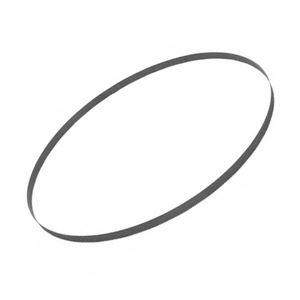
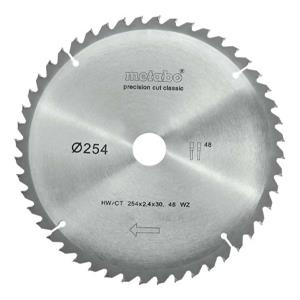
Metabo Saw Blades
Metabo blades are built for clean, accurate cutting through timber, sheet material and site joinery, with tooth counts and sizes to suit rough cuts or neat finishes.
When your saw is sound but the cut quality is poor, it is usually the blade letting you down. These Metabo blades are the ones to look at for ripping carcassing timber, trimming sheet goods and getting a tidier finish on second fix work. Match the diameter, bore and tooth count to the job and your saw will cut cleaner, faster and with less strain.
What Are Metabo Blades Used For?
- Cutting stud timber, joists and general carcassing on first fix jobs where you need a metabo circular saw blade that clears material quickly without dragging the saw down.
- Trimming plywood, MDF and sheet materials in the workshop or on fit-out work where a finer tooth metabo blade leaves a cleaner edge with less breakout.
- Cross cutting finished boards, skirting and other joinery components where the right tooth count helps keep the face neat and saves time on snagging.
- Replacing a worn or incorrect blade on site when burning, wandering cuts or ragged edges start showing up and the saw no longer feels right through the material.
Choosing the Right Metabo Blades
Sorting the right blade is simple: match it to the material and finish you need, not just the saw it fits.
1. Tooth Count Changes the Finish
If you are ripping framing timber and sheet down fast, go lower tooth for quicker feed and easier clearing. If you are cutting veneered boards, MDF or visible joinery, go higher tooth count for a cleaner edge and less tear-out.
2. Check Diameter and Bore Properly
Do not guess this bit. If the blade diameter is wrong, your saw capacity changes or the guard will not suit it. If the bore is wrong, it simply will not mount correctly. Check the saw plate and the old blade before ordering.
3. Match the Blade to the Material
A blade that is fine in softwood can make a mess of laminated board. If you are mostly on construction timber, buy for speed and durability. If you are on furniture panels or finished trims, buy for cut quality first.
4. Do Not Run a Tired Blade Too Long
If the saw starts burning timber, drifting off line or needing more push than usual, stop blaming the tool. A fresh Metabo blade often sorts the problem quicker than fighting on and ruining the cut.
Who Uses These Blades?
- Chippies use these for first fix timber cutting and second fix trim work because the right blade makes the saw track cleaner and leaves less mess on the cut edge.
- Kitchen fitters and shopfitters reach for finer tooth Metabo blades when sizing panels and finished boards where a rough edge will show straight away.
- Joiners and bench workers keep a few tooth patterns to hand so they can swap between fast ripping and cleaner cross cuts without forcing one blade to do everything.
- General builders and maintenance teams use them for everyday site cutting when a blunt or wrong-spec blade is slowing the job down and chewing the material.
Blade Extras That Keep You Cutting
A decent blade matters, but a couple of simple add-ons stop hold-ups and help you get a cleaner result.
1. Reduction Rings
If the blade bore does not match your saw spindle exactly, the right reduction ring saves you from a blade that will not seat properly or runs out of true. Worth checking before the job starts, not once the old blade is off.
2. Spare Blades for Different Cuts
Keep one blade for fast timber work and another for cleaner sheet or trim cuts. It saves you trying to force one blade through every job and wondering why the finish looks rough.
3. Blade Storage Case
Loose blades in the van get chipped teeth and bent plates. A proper case keeps them flat, protected and easier to grab when you need to swap over on site.
Choose the Right Metabo Blades for the Job
Pick the blade by material, finish and saw fitment, then the job usually goes a lot smoother.
| Your Job | Category or Type | Key Features |
|---|---|---|
| First fix timber and carcassing | Low tooth circular saw blade | Fast feed rate, good chip clearance, suited to rougher construction cuts |
| Cutting plywood and sheet material | Medium tooth metabo circular saw blade | Balanced speed and finish, cleaner edges on boards and panels |
| Second fix trim and visible joinery | High tooth finishing blade | Cleaner cross cuts, reduced breakout, better finish on faced material |
| Replacing an old blade on a site saw | Like for like size blade | Correct diameter, correct bore, tooth pattern matched to the work you do most |
Common Buying and Usage Mistakes
- Buying on diameter alone and ignoring bore size. The blade might look right in the box, but if the bore is wrong it will not fit the saw safely or properly.
- Using a coarse blade for fine finish work. You save nothing doing this because you usually end up with tear-out, rough edges and extra snagging afterwards.
- Running a blunt blade too long. That is when cuts start burning, the saw works harder and you put extra strain on the motor and battery for no gain.
- Trying to make one blade cover every material on site. Timber, MDF and laminated board do not all cut the same, so keep the right blade for the right job.
- Storing blades loose in the van. Knocked teeth and warped plates ruin cut quality fast, so keep them protected and flat between jobs.
Low Tooth vs Medium Tooth vs High Tooth
Low Tooth Blades
Best for quick ripping through timber, joists and first fix material where speed matters more than a perfect edge. They clear waste well but leave a rougher finish.
Medium Tooth Blades
A solid all-round choice for mixed site work. They give you a cleaner cut than coarse blades without slowing things down too much on general timber and sheet goods.
High Tooth Blades
These are the ones for fine cross cuts, finished boards and neater joinery work. Slower through heavy stock, but far better where the cut edge will be seen.
Maintenance and Care
Keep Resin and Dust Off
Clean pitch, resin and packed dust off the blade after heavy use. A dirty blade cuts hotter, feels blunt sooner and makes the saw work harder than it should.
Check Teeth Before Each Job
Have a quick look for chipped or missing teeth before fitting the blade. One damaged tooth is enough to spoil the cut and can make the saw feel rough through the material.
Store Blades Flat and Protected
Do not leave them rattling about with fixings and other metal bits in the van. Keep blades in a sleeve, case or rack so the teeth stay sharp and the plate stays true.
Replace or Resharpen at the Right Time
If the blade is just dull, resharpening can be worth it. If the plate is warped or teeth are badly damaged, replace it and move on rather than fighting bad cuts all day.
Why Shop for Metabo Blades at ITS?
Whether you need a metabo blade for fast framing cuts or a finer metabo circular saw blade for cleaner board work, we stock the proper range in the sizes and tooth patterns trades actually use. It is all held in our own warehouse, in stock and ready for next day delivery, so you can get the right blade sorted before the next job starts.
Metabo Saw Blade FAQs
Are Metabo saw blades good?
Yes. Metabo blades are well regarded for solid cut quality, decent life and reliable running when matched properly to the saw and material. They are not magic, though. Put a coarse blade into fine sheet work and it will still leave a rough edge. Pick the right tooth count and they do the job properly.
What are Metabo blades made of?
Most Metabo saw blades are made from steel bodies with cutting teeth designed for durability and clean cutting, often using carbide-tipped teeth on circular saw blades. That gives you a blade plate with the strength to stay stable and teeth that hold an edge better on regular site materials.
How many teeth should a saw blade have for a fine cut?
For a fine cut, go for a higher tooth count than you would for rough timber work. More teeth usually means a slower but cleaner finish with less tear-out on sheet materials, trims and visible edges. The exact number depends on the blade diameter, but the rule is simple. More teeth for finish work, fewer teeth for fast cutting.
What bore size do Metabo saw blades have?
Metabo saw blades come in different bore sizes depending on the blade and intended saw, so always check the product spec and your machine before ordering. Do not assume all blades are the same. The bore has to match your saw spindle properly for safe fitting and accurate cutting.
Can Metabo saw blades be resharpened?
Yes, many can be resharpened if the teeth and blade body are still in good order. It is worth doing on a quality blade that has simply gone dull. If teeth are chipped badly or the plate has warped, replacement is usually the better call.