




Makita Gloves Makita Gloves

Makita Gloves

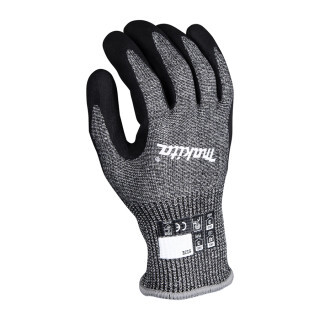
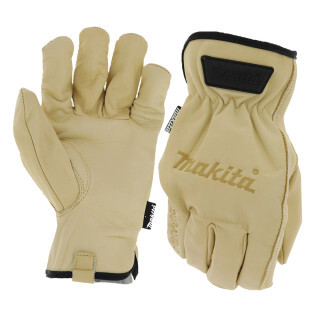
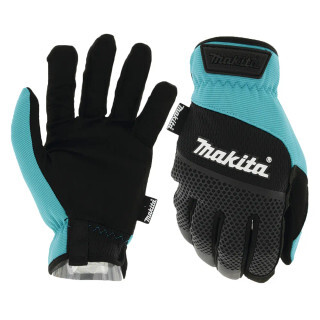
Makita gloves are for when you're handling sharp edges, rough materials, and vibrating kit all day and still need proper feel.

On busy site days, your hands take the hit first. Makita work gloves are built for real graft, from moving blocks and sheet to running power tools, with tougher palms, grippy finishes, and fits that don't bunch up when you're on fixings. If you're buying Makita gloves UK, match the glove to the risk and the job, then keep a spare pair in the van for wet days.

What Jobs Are Makita Gloves Best At?

  • Shifting blocks, timber, and sheet materials without shredding your palms or losing grip when the load is awkward.
  • Handling sharp fixings, metal stud, and cut ends where you need protection but still want enough feel to start screws and nuts cleanly.
  • Running vibrating tools and general power tool work where a secure grip stops slips when your hands are dusty or damp.
  • Outdoor maintenance and wet-weather tasks where a glove that fits right keeps control on ladders, tools, and handrails.

Choosing the Right Makita Gloves

Pick gloves for the risk on the job, not the brand name on the cuff, because the wrong rating is just false confidence.

1. Protection level and certification

If you're on rough handling and general site work, go for tougher palms and abrasion resistance. If you're around higher-risk tasks, check the glove's certified protection level and do not guess, because "thick" does not automatically mean "safe".

2. Dexterity vs durability

If you're fixing, terminating, or constantly picking up small fasteners, choose a slimmer, more flexible Makita work glove so you can actually feel what you're doing. If you're carrying, dragging, and shifting all day, prioritise reinforced palms and stitching because thin gloves won't last a week.

3. Fit and cuff style

If the glove is loose at the fingers it will twist when you grip tools, and you'll end up taking it off. Get the right size so it sits tight at the fingertips, and pick a cuff that stays put under a jacket sleeve when you're working in the cold or wet.

Makita Gloves FAQs

What are category 3 gloves?

Category 3 gloves are PPE for higher-risk hazards where the consequences can be serious, so they must meet stricter testing and certification requirements. If your risk assessment calls for higher mechanical risk, chemicals, or similar hazards, Category 3 is the level you should be looking at, not basic general handling gloves.

What company makes the best work gloves?

There isn't one "best" company because the right glove depends on the hazard and the job. The best work glove is the one with the correct protection rating for your site, that fits properly at the fingertips, and gives enough grip and feel that you keep it on all day.

What are Makita ANSI 2 impact gloves?

Makita ANSI 2 impact gloves are gloves designed with impact protection over the knuckles and back of the hand, with an ANSI impact rating to show the level of protection. They're aimed at jobs where knocks and crush points are common, but you still need to check the rest of the glove spec for things like cut resistance and grip.

Are Makita work gloves good for wet and dusty site conditions?

They're a solid choice for general site conditions, but no glove is magic in the wet. If you're regularly working in rain, mud, or slurry, prioritise a glove with a grippy palm finish and a cuff that stays put, and keep a dry spare pair in the van so you can swap out when they get soaked.

Should I size up in Makita gloves for comfort?

No, not if you want control. If the fingers are too long or the palm is loose, the glove twists when you're on tools and you lose grip and feel. Buy the size that sits snug at the fingertips, because that's what stops bunching and keeps you accurate on fixings.

Who Uses Makita Work Gloves?

  • Chippies and joiners for first-fix handling, sheet moving, and keeping grip when you're in and out of the saw all day.
  • Sparks and HVAC fitters when pulling cable, handling tray and trunking, and working around sharp edges without losing finger control.
  • Groundworkers, landscapers, and labourers for barrowing, shifting materials, and general site abuse where gloves get ruined fast.
  • Maintenance teams who need one pair that lives in the van for quick call-outs, loading, and snagging without torn knuckles.

The Basics: Understanding Work Glove Ratings

Glove ratings sound like paperwork, but they're what tell you if a glove is fit for the risk. Here's what matters when you're buying for site.

1. Category ratings (including Category 3)

Category 3 gloves are for higher-risk hazards where serious injury is possible, so they're tested and certified to stricter requirements. If you're dealing with significant mechanical risks, chemicals, or other serious hazards, Category 3 is the level you look for, not a basic general handling glove.

2. Impact protection and knuckle padding

Impact gloves add protection over the back of the hand and knuckles for knocks and crush points when handling materials or working around plant. They are not a replacement for cut protection, so check both if you're working around sharp edges as well.

3. ANSI ratings on some Makita gloves

Some Makita gloves use ANSI ratings to show performance for specific hazards, which helps if you're matching site requirements or company PPE standards. Treat the rating as a quick filter, then still choose the glove that gives you the grip and dexterity your job actually needs.

Shop Makita Gloves at ITS

Whether you need Makita gloves for general handling, impact protection, or more specialist site tasks, we stock the full spread so you can match the glove to the job. It's all held in our own warehouse, ready for next day delivery, so you're not stuck turning up on site with the wrong PPE.
Read more

Makita Gloves

Makita gloves are for when you're handling sharp edges, rough materials, and vibrating kit all day and still need proper feel.

On busy site days, your hands take the hit first. Makita work gloves are built for real graft, from moving blocks and sheet to running power tools, with tougher palms, grippy finishes, and fits that don't bunch up when you're on fixings. If you're buying Makita gloves UK, match the glove to the risk and the job, then keep a spare pair in the van for wet days.

What Jobs Are Makita Gloves Best At?

  • Shifting blocks, timber, and sheet materials without shredding your palms or losing grip when the load is awkward.
  • Handling sharp fixings, metal stud, and cut ends where you need protection but still want enough feel to start screws and nuts cleanly.
  • Running vibrating tools and general power tool work where a secure grip stops slips when your hands are dusty or damp.
  • Outdoor maintenance and wet-weather tasks where a glove that fits right keeps control on ladders, tools, and handrails.

Choosing the Right Makita Gloves

Pick gloves for the risk on the job, not the brand name on the cuff, because the wrong rating is just false confidence.

1. Protection level and certification

If you're on rough handling and general site work, go for tougher palms and abrasion resistance. If you're around higher-risk tasks, check the glove's certified protection level and do not guess, because "thick" does not automatically mean "safe".

2. Dexterity vs durability

If you're fixing, terminating, or constantly picking up small fasteners, choose a slimmer, more flexible Makita work glove so you can actually feel what you're doing. If you're carrying, dragging, and shifting all day, prioritise reinforced palms and stitching because thin gloves won't last a week.

3. Fit and cuff style

If the glove is loose at the fingers it will twist when you grip tools, and you'll end up taking it off. Get the right size so it sits tight at the fingertips, and pick a cuff that stays put under a jacket sleeve when you're working in the cold or wet.

Makita Gloves FAQs

What are category 3 gloves?

Category 3 gloves are PPE for higher-risk hazards where the consequences can be serious, so they must meet stricter testing and certification requirements. If your risk assessment calls for higher mechanical risk, chemicals, or similar hazards, Category 3 is the level you should be looking at, not basic general handling gloves.

What company makes the best work gloves?

There isn't one "best" company because the right glove depends on the hazard and the job. The best work glove is the one with the correct protection rating for your site, that fits properly at the fingertips, and gives enough grip and feel that you keep it on all day.

What are Makita ANSI 2 impact gloves?

Makita ANSI 2 impact gloves are gloves designed with impact protection over the knuckles and back of the hand, with an ANSI impact rating to show the level of protection. They're aimed at jobs where knocks and crush points are common, but you still need to check the rest of the glove spec for things like cut resistance and grip.

Are Makita work gloves good for wet and dusty site conditions?

They're a solid choice for general site conditions, but no glove is magic in the wet. If you're regularly working in rain, mud, or slurry, prioritise a glove with a grippy palm finish and a cuff that stays put, and keep a dry spare pair in the van so you can swap out when they get soaked.

Should I size up in Makita gloves for comfort?

No, not if you want control. If the fingers are too long or the palm is loose, the glove twists when you're on tools and you lose grip and feel. Buy the size that sits snug at the fingertips, because that's what stops bunching and keeps you accurate on fixings.

Who Uses Makita Work Gloves?

  • Chippies and joiners for first-fix handling, sheet moving, and keeping grip when you're in and out of the saw all day.
  • Sparks and HVAC fitters when pulling cable, handling tray and trunking, and working around sharp edges without losing finger control.
  • Groundworkers, landscapers, and labourers for barrowing, shifting materials, and general site abuse where gloves get ruined fast.
  • Maintenance teams who need one pair that lives in the van for quick call-outs, loading, and snagging without torn knuckles.

The Basics: Understanding Work Glove Ratings

Glove ratings sound like paperwork, but they're what tell you if a glove is fit for the risk. Here's what matters when you're buying for site.

1. Category ratings (including Category 3)

Category 3 gloves are for higher-risk hazards where serious injury is possible, so they're tested and certified to stricter requirements. If you're dealing with significant mechanical risks, chemicals, or other serious hazards, Category 3 is the level you look for, not a basic general handling glove.

2. Impact protection and knuckle padding

Impact gloves add protection over the back of the hand and knuckles for knocks and crush points when handling materials or working around plant. They are not a replacement for cut protection, so check both if you're working around sharp edges as well.

3. ANSI ratings on some Makita gloves

Some Makita gloves use ANSI ratings to show performance for specific hazards, which helps if you're matching site requirements or company PPE standards. Treat the rating as a quick filter, then still choose the glove that gives you the grip and dexterity your job actually needs.

Shop Makita Gloves at ITS

Whether you need Makita gloves for general handling, impact protection, or more specialist site tasks, we stock the full spread so you can match the glove to the job. It's all held in our own warehouse, ready for next day delivery, so you're not stuck turning up on site with the wrong PPE.
ITS - All The Tools You Need Click and Collect Icon
Store Opening Hours
Opening times
