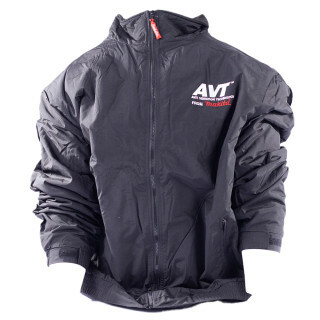
Makita Coats, Jackets & Bodywarmers
Makita work jackets are built for cold, wet site days when a hoodie won't cut it and you still need kit that moves properly with you.
If you're loading out before first light, fixing outside in the rain, or working through winter snagging, proper outerwear matters. This Makita range covers jackets, coats and body warmers that keep the weather off without getting in the way of the job. You'll find Makita Work Jackets for full cover, Makita Work Body Warmers when you need your arms free, and tougher layers for builders, fitters and site teams who spend half the day outside. Pick the one that suits the season, the trade and how much movement the job needs.
What Jobs Are Makita Work Jackets Best At?
- Working outside on first fix, roofing, cladding or groundwork jobs, Makita work jackets keep wind and light rain off while you are still reaching, lifting and climbing properly.
- Loading vans, unloading materials and setting up site first thing, Makita coats and body warmers stop you starting the day cold and stiff before the real graft begins.
- Snagging, maintenance and service work on open plots or unfinished buildings, these site jackets give you enough warmth without the bulk that catches on tools, ladders and access gear.
- Walking exposed sites through winter checks or handover jobs, Makita winter jackets help site managers and supervisors stay warm without looking like they have borrowed a ski coat.
- Layering up for stop start outdoor work, body warmers for work keep your core warm while leaving your arms free for drilling, fixing, cutting and driving.
Choosing the Right Makita Work Jackets
Sorting the right one is simple. Match it to the weather, the trade and how much arm movement the job needs.
1. Jacket or Body Warmer
If you are standing out in wind, rain or on open sites for hours, go for a proper Makita work jacket or coat. If you are active all day and need full shoulder movement for fixing, lifting or overhead work, a body warmer is usually the better shout.
2. Cold Snap or All Year Layer
For proper winter site work, choose Makita winter jackets with enough insulation to handle early starts and exposed jobs. If it is mainly for chucking on over a tee or hoodie between seasons, keep it lighter so you do not end up overheating by tea break.
3. Wet Weather or Dry Site Use
If you are outside in changeable weather, look for site jackets that give decent weather protection and tougher outer fabric. If it is mostly for yard use, warehouse work or dry internals, you can prioritise comfort and lower bulk over full weather cover.
4. Standard Outerwear or Heated Kit
If normal insulated layers are enough, stick with standard jackets and body warmers. If you are regularly on freezing early starts, exposed plant jobs or long outdoor shifts, it is worth looking at Makita Heated Clothing or dedicated Makita Heated Jackets.
Who Uses These on Site?
- Builders and brickies reach for Makita work coats when they are out in the weather all day and need something that takes mortar dust, knocks and repeated wear.
- Sparks and plumbers tend to favour Makita body warmers for site work because they keep the chill off without restricting shoulder movement when running pipe or cable.
- Groundworkers, landscapers and fencing teams use these outdoor work jackets on exposed jobs where the wind gets through everything else by half eight.
- Joiners, fitters and snagging teams use Makita jackets for tradesmen when they are moving between inside and outside jobs and do not want to keep changing layers.
- Site managers and delivery teams wear this sort of trade outerwear for early starts, walk rounds and yard work where staying warm matters but you still need to look presentable.
Choose the Right Makita Work Jackets for the Job
Use this quick guide to sort the right outer layer for the way you actually work.
| Your Job | Category or Type | Key Features |
|---|---|---|
| General outdoor site work in mixed weather | Work jacket | Full sleeve cover, weather protection, easy layering over fleece or hoodie |
| High movement fixing, install and service work | Body warmer | Warm core, free arm movement, less bulk in tight spaces |
| Cold early starts and winter site checks | Insulated work coat | More warmth, better wind resistance, suited to standing or slower paced tasks |
| Long exposed shifts in freezing conditions | Heated jacket | Powered warmth, useful for low movement work and open site conditions |
| Van work, yard duties and everyday trade wear | Lightweight site jacket | Lower bulk, quick on and off, easier to wear across changing temperatures |
Common Buying and Usage Mistakes
- Buying the warmest jacket you can find for active work usually backfires. If you are constantly lifting, climbing or drilling, too much insulation gets sweaty fast and you end up taking it off all day. Go lighter if the job keeps you moving.
- Choosing a body warmer for full exposure jobs is a common one. It is fine for milder days or busy work, but if you are out in wind and rain for hours you will wish you had proper sleeve and weather cover.
- Ignoring layering room causes grief on site. If the jacket only fits over a tee, it is no good once winter lands. Leave enough space for a base layer or hoodie without making the fit baggy and awkward.
- Treating work outerwear like office clothing shortens its life. Site dust, wet van floors and sharp fixings will wreck it if you never dry it out or clean it down. Brush off dirt and let it dry properly after wet shifts.
- Not matching the jacket to the actual trade wastes money. A builder on open plots, a service engineer in and out the van, and a joiner mostly indoors do not need the same coat, so buy for the job rather than just the look.
Work Jackets vs Body Warmers vs Heated Jackets
Work Jackets
Best for full weather cover on site. If you are outside in wind, drizzle or cold all day, this is the safe choice. You get more protection than a body warmer, but usually with a bit more bulk around the arms and shoulders.
Body Warmers
Best when you need warmth without losing movement. Ideal for sparks, plumbers and fitters who are bending, reaching and working in tighter areas. They are not the one for full exposure in bad weather, but they are spot on for active jobs.
Heated Jackets
Best for proper cold when standard layers stop being enough. They suit exposed work, winter maintenance and long periods stood out on site. They cost more and need battery planning, but they make sense if you are working through freezing spells.
Maintenance and Care
Dry It Out After Wet Shifts
Do not leave wet jackets screwed up in the van overnight. Hang them up properly so the lining and outer fabric can dry right through, otherwise they start smelling damp and wear out quicker.
Brush Off Site Dirt Early
Dust, plaster and cement left sitting in the fabric will grind it down over time. A quick brush down after the shift keeps zips, seams and cuffs in better nick.
Check Zips and Cuffs
These are usually the first bits to give up on work jackets for tradesmen. If the zip starts sticking or the cuff stitching is going, sort it early before the whole jacket becomes a nuisance on site.
Wash to the Label, Not by Guesswork
Workwear coatings and insulated linings do not always like hot washes or rough drying. Follow the care label so you do not ruin the fit, weather resistance or padding after one dirty week.
Replace When It Stops Doing the Job
If the jacket no longer keeps the weather out, the insulation has packed down, or the fit is restricting movement, it is time for a new one. Outerwear is there to keep you working, not just to look tidy.
Why Shop for Makita Work Jackets at ITS?
Whether you need a lighter site jacket, insulated winter outerwear or one of the full Work Jackets, Work Coats & Bodywarmers options for tougher weather, we stock the range trades actually buy. That includes Makita work jackets, Makita coats and body warmers, all held in our own warehouse and ready for next day delivery.
Makita Work Jackets FAQs
What Makita jacket is best for site work?
It depends on how exposed the job is. For general outdoor site work, a standard Makita work jacket is the sensible all round option because it gives you sleeve cover, weather protection and enough room to layer. If you are mostly active and only need core warmth, a body warmer can make more sense.
What is the difference between a work jacket and a body warmer?
A work jacket gives you full upper body cover, so it is better in wind, rain and colder conditions. A body warmer keeps your core warm but leaves your arms free, which a lot of trades prefer for drilling, fixing and moving about all day. If the weather is rough, pick the jacket. If movement matters more, go body warmer.
Are Makita work jackets suitable for cold weather?
Yes, plenty of them are built for cold weather workwear use, especially when layered properly. For mild cold, a standard insulated jacket does the job. For proper winter site use or exposed jobs, go heavier or look at heated options rather than expecting a light shell to do everything.
Can tradesmen wear body warmers on site?
Yes, all the time, especially for first fix, service work, van based jobs and any task where sleeve bulk gets annoying. The only catch is exposure. If you are standing around in wind, rain or freezing temperatures, a body warmer on its own will not be enough for long.
How do I choose a work coat or jacket?
Start with the job, not the label. Think about weather, how active you are, and what you will wear underneath. Builders working outside all day usually need more protection, while fitters and sparks often prefer lighter jackets or body warmers that do not fight their movement.
Are Makita jackets for tradesmen tough enough for daily use?
Yes, for normal site wear they are built to cope with repeated use, van life and the usual dust and knocks. That said, no jacket likes being dragged over blockwork or snagged on sharp metal every day, so buy for the job and do not expect any outerwear to be indestructible.
Is a Makita heated jacket worth it over a standard jacket?
If you only catch the odd cold morning, probably not. If you are regularly out on exposed sites, doing winter maintenance, or standing for long periods, heated kit can be a real help. In that case, look at the dedicated Makita heated jacket range rather than overbuying thick standard outerwear.
Can I see more Makita outerwear options if I do not want a full jacket?
Yes. If a full coat is too much, check the Makita body warmer and heated clothing options in the same range. They are useful when you want to stay warm without the extra bulk of sleeves or a heavier outer layer.