

Makita Heated Clothing
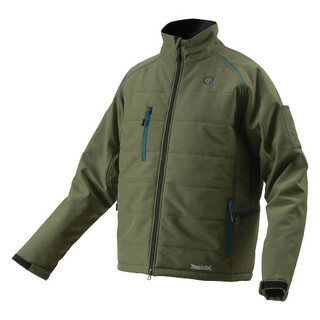
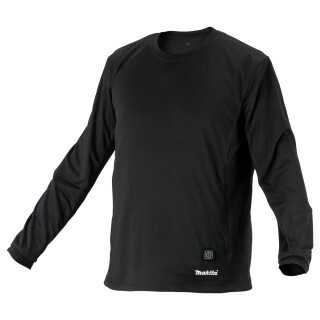
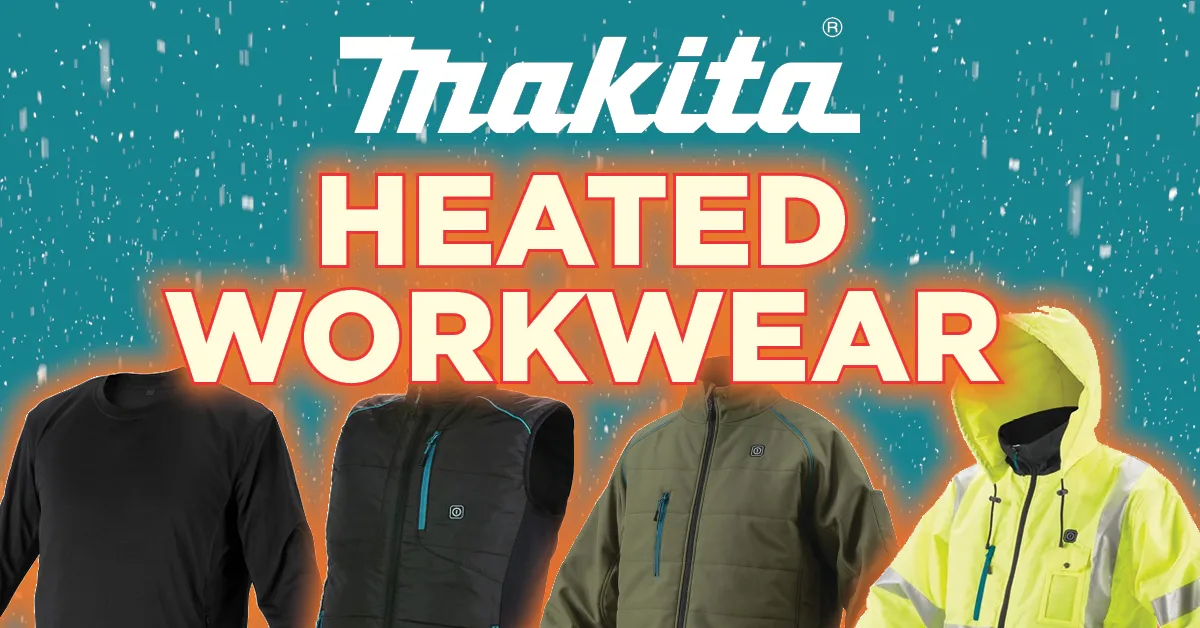
Makita heated clothing keeps you working when the cold bites, using battery-powered heat to take the edge off on early starts, exposed scaffolds, and draughty refurbs.
When you are stood still setting out, snagging, or waiting on deliveries, the chill gets into your hands and back fast. Makita heated clothing is built for proper site use, with heat where you need it and fits that still let you move and layer up. Pick the right size for a hoodie underneath, match the battery platform you already run, and get warm without dragging extra bulk around.
What Jobs Is Makita Heated Clothing Best At?
- Working on exposed scaffolds and steel where the wind cuts through standard layers, so you stay warm enough to keep your hands steady and your pace up.
- Doing first fix and second fix in unheated new builds and refurbs, where you are in and out of doorways all day and the temperature never settles.
- Early morning call-outs and maintenance rounds, when you are stood at a board, plant room, or gatehouse and the cold hits hardest when you are not moving.
- Driving between jobs and unloading on frosty days, so you are not starting each job cold and stiff before you have even picked up the tools.
Choosing the Right Makita Heated Clothing
Pick it like you would any site layer: sort the fit and the battery setup first, because that is what decides whether you actually wear it every day.
1. Jacket vs Gilet vs Base Layer
If you are active on the tools all day, a heated gilet under a shell keeps your core warm without cooking your arms. If you are stood still a lot, go jacket for more coverage. If you need maximum freedom for overhead work, a heated base layer under your normal workwear is the least bulky option.
2. Battery Platform and Run Time
If you already run Makita batteries, stick with that system so you are not carrying extra chargers and spares. For long winter shifts, plan on a spare battery in the van, because high heat settings will drain any pack faster than you think.
3. Sizing for Layering and Movement
Do not buy it skin-tight like a fashion jacket. If you wear a hoodie or fleece underneath, size accordingly so the heating layer sits comfortably and you can still reach, kneel, and drive without it riding up.
Makita Heated Clothing FAQs
Is Makita heated clothing actually warm, or is it just a gimmick?
It is properly noticeable, especially on your core. It will not replace sensible layering, but it does take the bite out of cold mornings and stop you getting chilled when you are stood still setting out, snagging, or waiting on other trades.
Do I need to size up to wear it on site?
If you normally wear a hoodie or fleece underneath, yes, give yourself room. A tight fit is uncomfortable when you are bending and reaching, and it makes it harder to layer a shell over the top to hold the heat in.
How long will the heat last on a real shift?
It depends on battery size and how hard you run it. High heat is best used to warm up quickly, then drop to a lower setting to make it last. If you want heat available all day, plan for a spare battery.
Can I wear heated clothing under a waterproof jacket?
Yes, and that is usually the best way to wear it on site. A windproof or waterproof outer stops the warmth being stripped away, so you feel the benefit more and you do not have to run it flat-out.
Is it safe to use around site work and tools?
It is designed for workwear use, but treat it like any powered kit: keep the battery and connections in good nick, do not crush the pack under belts or harnesses, and do not wear it where hot works or sparks could damage the fabric.
Who Uses Makita Heated Clothing on Site?
- Sparks, plumbers, and HVAC fitters who spend time fault-finding and commissioning in cold shells, because staying warm helps you keep focus when you are stood still.
- Chippies and dryliners on first fix in draughty plots, where you need warmth without a big puffer jacket getting in the way of lifting sheets or working overhead.
- Groundworkers, landscapers, and site teams on winter externals, who want heat under a waterproof so the weather does not dictate how long you can stay productive.
The Basics: Understanding Heated Clothing
Heated clothing is simple kit done right: it uses a battery to warm specific zones on your body so you stay comfortable in cold, stop-start site work.
1. Heat Zones (Where You Feel It)
Most heated jackets and gilets focus on the core, because warming your chest and back keeps the rest of you feeling better without needing massive insulation. For site work, that is what stops the cold creeping in when you are stood at a bench, board, or lift.
2. Layering Is What Makes It Work
You get the best result when the heated layer sits under a windproof or waterproof outer, because the shell holds the warmth in. Wear it as your mid-layer and you will feel the benefit quicker and for longer.
3. Heat Settings and Battery Drain
High setting is for taking the sting out fast when you first step onto a cold job. Once you are warm, drop it down and it will last longer, which is what you want on a full shift without swapping batteries every couple of hours.
Makita Heated Clothing Accessories That Make It Work on Site
The clothing is only half the setup; the right power and spares stop you ending up cold again by mid-morning.
1. Spare Batteries
A spare battery is what saves you from running the heat on low all day just to make it last. Keep one charged in the van and you can swap over at break without losing the warmth you have built up.
2. Compatible Charger
A proper charger in the van or site cabin keeps you in rotation, especially on multi-day externals. It is the difference between having heated gear for the whole week and having it for day one only.
Shop Makita Heated Clothing at ITS
Whether you need a heated jacket, gilet, or base layer for winter site work, we stock a full Makita heated clothing range in the sizes and options trades actually buy. It is all held in our own warehouse, in stock and ready for next day delivery so you can get sorted before the next cold start.