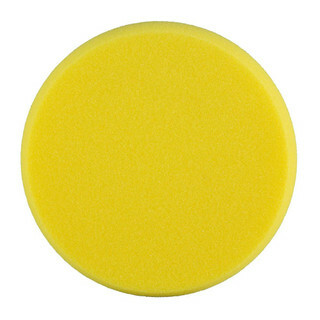
Makita Polishing Pads
Makita polishing pads are what you reach for when a panel needs finishing properly, not just "shiny enough". Pick the right pad and you'll cut faster, run cooler, and stop leaving swirls.
On site or in the workshop, the pad choice is what makes a polisher behave. Makita polisher pads cover cutting, polishing, and finishing, so you can take out oxidation, flatten sanding marks, and bring paint, gelcoat, or solid surfaces back up without burning edges. If you're running a 180mm polishing pad, match it to your backing plate and compound, keep the pad clean, and swap it when it starts loading up.
What Are Makita Polishing Pads Used For?
- Cutting back dull or oxidised paint on vans, plant, and site vehicles when you need a proper refresh before handover or signwriting.
- Polishing out sanding marks on timber tops, solid surface, and GRP after repair work, so the finish looks even under site lighting.
- Finishing panels and painted surfaces with a softer pad to reduce haze and swirls, especially on darker colours where every mark shows.
- Working larger flat areas with 180mm polishing pads to cover ground quickly, without chasing the same patch all afternoon.
Choosing the Right Makita Polishing Pads
Pick the pad to match the defect you're removing, not the shine you want at the end, because an aggressive pad will leave its own marks if you finish with it.
1. Diameter and fit
If you're buying 180mm polishing pads, make sure your backing plate is the same size and fixing type, otherwise the pad overhangs, grabs edges, and runs hotter than it should.
2. Cut, polish, then finish
If you're removing heavy oxidation or sanding marks, start with a firmer cutting pad and compound, then step down to a softer pad for the final pass, or you'll be chasing swirls you created yourself.
3. Surface shape and edge work
If you're working tight curves, trims, or panel edges, don't force a big pad into it; use a smaller pad where possible and keep the machine moving, because edges burn first.
Makita Polishing Pads FAQs
Are 180mm polishing pads the right size for most jobs?
They're spot on for big, flat areas like van sides, bonnets, doors, and worktops because you cover ground quickly. For tight curves, trims, and edges, they can be a bit grabby, so a smaller pad is usually easier to control.
Will Makita polisher pads fit any polisher?
Not automatically. You need to match the pad fixing to your backing plate, and the backing plate to your machine. Check the attachment type and size before you buy, because "same diameter" does not always mean "same fit".
Do polishing pads actually cause swirls, or is that just bad technique?
Both. A dirty or clogged pad will swirl even if you're careful, and an aggressive pad used as a finisher will leave haze. Keep pads clean, don't cross-contaminate compounds, and step down to a finishing pad for the last pass.
How do I stop a pad from overheating and burning edges?
Keep the machine moving, don't lean on it, and clean the pad out regularly so it doesn't drag. On edges and raised lines, ease off the pressure and avoid sitting the pad half on, half off the panel, because that's where heat spikes.
How long should a polishing pad last in real use?
It depends on how often you clean it and what you're cutting. If it starts tearing, losing shape, or staying clogged even after cleaning, it's done. Pads are consumables, and pushing a tired one just wastes compound and leaves a worse finish.
Who Uses Makita Polishing Pads?
- Vehicle body and paint lads using a Makita polisher for cutting and finishing, because the right pad stops you fighting holograms at the end.
- Maintenance teams and fitters tidying up vans, plant, and stainless trims, where a quick machine polish saves a full strip-down.
- Joiners and refurb crews doing worktops, doors, and resin or lacquered finishes, swapping pad types as they step from cut to final gloss.
How Polishing Pads Work for You
A polisher is only as good as the pad on the front. The pad controls how much bite you get, how much heat you build, and how clean the finish comes up.
1. Pad firmness equals cut
Firmer pads transfer more pressure and "cut" faster for defect removal, but they can leave micro-marring that needs a softer finishing pad afterwards.
2. Heat control is the difference between a finish and a mess
As pads load up with compound and residue they run hotter and start dragging, so cleaning the pad out and swapping to a fresh one keeps the surface cooler and the finish clearer.
3. Size changes how the machine behaves
A 180mm polishing pad covers big flat areas quickly, but it will catch edges and contours easier than a smaller pad, so it suits panels and tops more than fiddly trim work.
Polishing Pad Accessories That Save Time on the Job
A couple of simple add-ons keep your pads cutting properly and stop you wasting time fighting heat, drag, and contamination.
1. Backing Plates
Match the backing plate to your pad size, especially with 180mm polishing pads, or you'll get overhang that snags edges and chews pads up quicker than it should.
2. Pad Cleaning Brush or Pad Spur
Clean the pad as you work to stop it loading up with spent compound, because a clogged pad runs hot, smears the finish, and is where swirls usually start.
3. Compounds and Finishing Polishes
Use the right compound for the pad and the job, as a heavy cut compound on a finishing pad just gums it up, and a fine polish on a cutting pad wastes your time.
Shop Makita Polishing Pads at ITS
Whether you need a single replacement Makita polishing pad or you're stocking up on 180mm polishing pads for regular vehicle and surface work, we've got a proper range ready to pick from. It's all stocked in our own warehouse and ready for next day delivery, so you can get back on the job without waiting around.