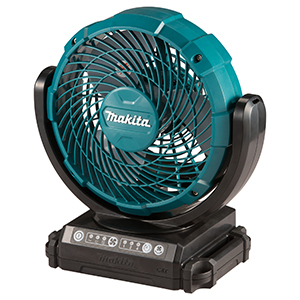
Makita Fans & Air Con
Makita fans keep air moving on hot, dusty jobs, so you can work without overheating in lofts, plant rooms, and tight refurbs.
When you're sweating through a summer fit-out or stuck in a warm plant room, a proper fan makes the day bearable and helps clear fumes and dust. Makita fans are built for site life, with rugged frames and cordless options that run off the same batteries as your daily kit. Pick the size for the space, set it where it won't get kicked over, and get back on with the job.
What Jobs Are Makita Fans Best At?
- Working in lofts and roof spaces where the heat builds up fast, keeping air moving while you're running pipework, cabling, or insulation.
- Cooling down plant rooms and boiler cupboards during servicing and installs, so you can stay focused when you're bent over valves and controls.
- Drying out freshly cleaned or damp areas after leaks, wash-downs, or dehumidifier use, helping shift stale air so the space is workable sooner.
- Improving airflow on dusty refurbs and strip-outs, pushing air through the room when you've got doors and windows limited or sealed off.
Choosing the Right Makita Fans
Match the fan to the space and the power you've actually got on the job, not what you wish you had.
1. Cordless vs Mains
If you're in lofts, new builds, or anywhere power is a pain, go cordless so you can stick it where it's needed without trailing leads. If you're in a plant room with reliable sockets, a mains model saves your batteries for drills and impacts.
2. Size and airflow for the room
For small cupboards and close-up work, a compact fan placed low and angled up does more than a big unit blasting past you. For larger rooms, pick a bigger frame fan that can shift air across the space, not just cool your knees.
3. Positioning and stability
If it's going near walkways or doorways, choose a fan with a stable base or frame so it doesn't get knocked over every time someone carries a length of copper through.
Makita Fans FAQs
Are Makita fans actually worth it over a cheap DIY fan?
Yes, if it is living on site. The difference is the build and the practicality, with sturdier frames and controls that cope better with knocks, dust, and being thrown in and out the van.
Will a Makita fan run off the same batteries as my Makita tools?
Many models are designed to run on Makita cordless battery platforms, but not every fan is the same. Check the product listing for the exact battery type and whether it is body only or supplied as a kit.
Is a fan enough for a hot loft or do I need air con?
A fan will not drop the temperature like air con, but it makes a massive difference by moving air and stopping you working in dead, still heat. For most loft and plant room jobs, airflow is what keeps you going.
Can I use a Makita fan for drying out after a small leak?
Yes, it helps by shifting damp air and improving evaporation, especially if you can crack a window or door for airflow. It is not a replacement for a dehumidifier on proper water damage, but it is a solid first step for minor damp and wash-downs.
Are these fans safe to run in dusty areas?
They are fine for general site dust, but do not use any fan to blow dust around during cutting or chasing. Sort extraction at source first, then use the fan for comfort and ventilation once the dusty work is under control.
Who Uses Makita Fans on Site?
- Plumbers and heating engineers who spend long spells in tight cupboards and plant rooms, using a fan to take the edge off the heat while working on controls and pipework.
- Sparks and fit-out crews working in lofts and service risers, keeping airflow up so you're not drenched before first break.
- Maintenance teams and site managers sorting snagging and handover in warm buildings, where a portable fan keeps rooms bearable while trades cycle through.
How Makita Fans Work for You
Fans do not "cool" the air like air con, but they make hot work manageable by moving air across you and pushing stale air out of the space.
1. Air movement is the win
A steady airflow helps your body dump heat and stops that sticky, still-air feeling in lofts and cupboards, which is what wrecks you on long jobs.
2. Venting and drying
Pointing a fan to pull fresh air in or push stale air out makes a noticeable difference on refurbs, and it speeds up drying after minor leaks or cleaning so you are not working in damp air all day.
Shop Makita Fans at ITS
Whether you need a compact fan for cupboards and lofts or a larger unit for site cabins and plant rooms, we stock the Makita fans range in our own warehouse. Order by 5pm and get next day delivery to keep the job moving.