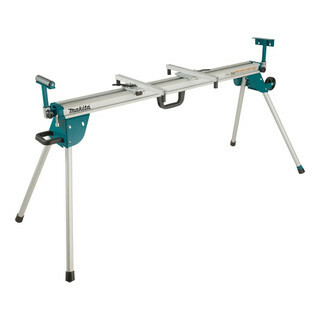
Makita Ladders, Access & Benches
Makita work bench and saw stand kit gives you a solid setup for cutting, measuring and supporting timber without wobble or site-made bodges.
If you're sick of balancing stock on trestles or cutting off the floor, a proper makita work bench or makita saw stand makes the day run smoother. Ideal for chippies, fitters and site teams doing repeat cuts, trim work and first fix, these folding benches and stands are easier to move, quicker to set up, and built to take regular site abuse. If you're already running Makita Tools, this is the support kit worth adding to the van.
What Are Makita Work Benches and Saw Stands Used For?
- Supporting a mitre saw on first-fix and second-fix jobs gives you a safer, more accurate cutting height than working off the deck or a pair of tired trestles.
- Cutting long lengths of skirting, stud timber, flooring and trim is easier with a makita saw stand because the extra support stops stock dipping and throwing your cut out.
- Setting up a temporary cutting station in new builds, refurbs and fit-outs saves time when you are shifting room to room and cannot afford a bulky permanent bench.
- Using a makita folding workbench for marking out, clamping and light assembly work gives chippies and installers a flat surface that packs away quickly at the end of shift.
- Loading in and out of vans is simpler with folding frames and transport wheels, which matters when your saw bench has to move as often as the rest of your kit.
Choosing the Right Makita Work Bench
Sorting the right one is simple. Match the bench or stand to the saw, the stock length and how often you need to move it.
1. Workbench or Saw Stand
If you need a flat surface for marking out, clamping and light assembly, go for a makita work bench. If the main job is supporting a mitre saw and feeding long timber through cleanly, a makita saw stand is the better shout.
2. Fixed Site Setup or Van Friendly
If your saw stays in one place most of the week, a larger stand with more support makes sense. If you are in and out of houses, plots or fit-out floors all day, pick a makita folding workbench or folding stand that packs down fast and lifts easily.
3. Timber Length and Support Arms
If you are mostly cutting trim and short stock, a compact stand will do the job. If you handle long stud, skirting, flooring or mouldings, do not skimp on extension support or you will spend half the day fighting sag and bad cuts.
4. Check Saw Compatibility Properly
Do not assume every makita mitre saw stand fits every saw the same way. Check mounting points, overall saw size and weight before you buy, especially if you swap saws between jobs or share kit across the gang.
Who Uses These on Site?
- Chippies swear by a makita work bench or makita mitre saw stand for first-fix stud, door linings and repeat timber cuts where a steady platform saves time and waste.
- Kitchen fitters and second-fix joiners use them for accurate trim cuts, worktop prep and room-to-room setup, especially when they need a folding bench that does not eat van space.
- Site installers and maintenance teams keep a makita saw bench handy for snagging, small assembly jobs and quick support work when there is no permanent bench on site.
- Flooring fitters and shopfitters like these stands because long boards and mouldings are easier to support properly, rather than trying to manage awkward lengths one-handed.
Accessories That Make a Makita Saw Stand More Useful
A decent stand is only half the setup. The right extras stop rework, bad measurements and awkward cuts.
1. Support Arms and Material Stops
These save you wrestling long timber on your own and help keep repeat cuts consistent. If you are batch cutting skirting, stud or trim, they earn their keep quickly.
2. Clamps and Mounting Brackets
Get the right brackets for your saw and keep spare clamps where possible. It saves the usual site headache of a saw shifting mid-cut or not lining up properly on the stand.
3. Tape Measures
A stand is pointless if your marking out is lazy. Keep Makita 2m & 6ft Tape Measures in the pouch for quick internal checks and Makita 8m & 26ft Tape Measures for longer runs and site set-out.
4. Cross Line Lasers
When the cutting leads straight into fitting, Makita Crossline Lasers help keep your follow-on work straight, especially on kitchen runs, stud layout and second-fix lines.
Choose the Right Makita Work Bench for the Job
Use this as a quick guide before you load more bulk into the van than you need.
| Your Job | Category or Type | Key Features |
|---|---|---|
| First-fix timber cutting around plots | Makita mitre saw stand | Fast fold setup, long material support, secure saw mounting, easy transport |
| Second-fix trim, skirting and finish work | Compact makita saw stand | Stable cutting height, neat footprint, quick room to room moves |
| Marking out and light assembly | Makita folding workbench | Flat work surface, clamp-friendly design, folds down after use |
| Shopfitting or long stock handling | Large work stand or saw bench | Extended support arms, higher load capacity, better control on awkward lengths |
| Mixed snagging and maintenance work | Portable makita work stand | Light carry weight, quick deployment, compact van storage |
Common Buying and Usage Mistakes
- Buying just on folded size and ignoring working support length usually ends with long timber sagging off the stand and cuts wandering. Check what stock you actually cut day to day.
- Assuming every saw fits every stand can waste a morning on site. Always check the mounting pattern, saw weight and overall balance before you order.
- Using a workbench where you really need a dedicated saw stand makes the whole setup clumsy and less accurate. Match the kit to the main job, not the cheapest option.
- Leaving hinges, locks and sliding supports full of sawdust shortens the life of the stand and makes folding mechanisms stick. Brush it down after use, especially before it goes back in the van.
- Overloading a saw bench with heavy sheet or rough site materials can twist supports or knock the saw out. Stay within the rated load and use proper additional support for bulkier stock.
Work Bench vs Saw Stand vs Mitre Saw Stand
Makita Work Bench
Best when you need a flat surface for measuring, clamping and light assembly. It is the more flexible option, but it will not support long cutting runs as well as a proper saw stand.
Makita Saw Stand
Built to hold the saw securely and support material through the cut. It is the better all-round choice for repeat timber cutting, especially when speed and consistency matter more than bench space.
Makita Mitre Saw Stand
This is the one for joiners and chippies running a mitre saw most days. You get the right working height, better stock control and a setup designed around chop saw use rather than general tasks.
Maintenance and Care
Brush Off Sawdust and Grit
Clean the frame, support arms and locking points after use. Packed-in dust and grit are what usually make folding stands stiff and awkward after a few months on site.
Check Bolts and Mounts
Give saw fixings, brackets and frame bolts a regular check. Vibration and van travel loosen things off over time, and that is when your cut accuracy starts going out.
Store It Dry
These stands can handle site life, but wet storage still leads to corrosion on fixings and slides. Dry it off before it goes back in the van or container if it has been out in the rain.
Do Not Force Bent Parts
If a support arm or lock gets knocked, sort it early. Forcing damaged parts usually makes the frame worse and leaves you with a stand that never folds or sits right again.
Replace Worn Clamps and Brackets
Once the saw no longer mounts securely, stop bodging it. Worn or damaged brackets affect both safety and cut quality, so replace them before the next proper job.
Why Shop for Makita Work Bench and Saw Stand Range at ITS?
Whether you need a compact makita folding workbench for van work or a full Makita Saw Stands setup for repeated cutting, we stock the range trades actually use. It is all held in our own warehouse, in stock and ready for next day delivery, so you can get the right support kit on site without hanging about.
Makita Work Bench and Saw Stand FAQs
Why did Makita discontinue their table saw?
Makita have changed parts of their range over time, and some table saw models have been dropped as buying habits shifted more towards mitre saw and stand setups. For a lot of site joinery, a portable saw stand is easier to move, quicker to set up and more practical than dragging a table saw through occupied jobs.
What workbenches and stands does Makita make?
Makita make folding workbenches, work stands and mitre saw stands aimed at portable site use. The main split is simple. Some are better for supporting saws and long stock, while others are more suited to measuring, clamping and light bench work.
Do Makita saw stands fit all Makita mitre saws?
Not automatically, no. Many Makita saw stands are designed to suit Makita mitre saws well, but you still need to check mounting brackets, fixing positions and the saw size. If you swap between models, always double-check compatibility before you commit.
How much weight can a Makita saw stand support?
It depends on the stand model, so do not guess. Check the rated load for the frame and the saw mounting points together, not just the bare stand. That matters if you are running a heavier saw or supporting long, dense timber that puts more strain on the setup.
Do Makita workbenches fold for transport?
Yes, many Makita workbenches and stands are built to fold down for van transport and site storage. That is one of the main reasons trades buy them. They give you a proper working setup without taking over the whole van once the day is done.