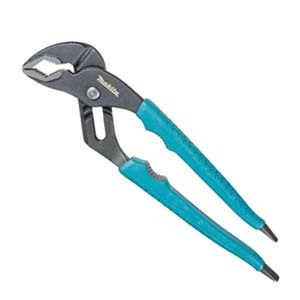
Makita Cutting Tools
Makita cutting tools cover the site basics for trimming, snipping and scoring, with Makita knives and hand cutting tools built for daily graft.
When you're opening packs, trimming membrane, cutting line, or snipping light material all day, you want hand tools that don't feel flimsy by break. This Makita cutting tool range covers the usual van kit staples, from utility knives to snips and pliers, with solid grips, sensible blade changes, and bits that stand up to regular site abuse. If you're already running Makita Tools and want the hand kit to match, start here and buy for the jobs you actually do.
What Are Makita Cutting Tools Used For?
- Cutting plasterboard wrapping, insulation bags, silicones and site packaging is where Makita knives earn their keep, especially when you need a blade that locks properly and does not wobble in use.
- Snipping cable ties, light sheet material, strapping and similar site rubbish makes Makita hand cutting tools handy for keeping work areas moving without reaching for powered kit.
- Trimming roofing felt, membrane, floor protection and other roll materials is easier with a proper Makita utility knife that gives you clean control rather than ragged tears.
- Working through first fix and general install jobs, Makita snips and Makita pliers help with quick cuts, grips and tidy-ups when there is no point dragging out a bigger tool.
Choosing the Right Makita Cutting Tools
Sorting the right one is simple: match the tool to the material and how often it comes out your pocket.
1. Knife, Snips or Pliers
If you are mainly trimming sheet, wrap, membrane or insulation, go for Makita knives. If you are cutting ties, light metal, mesh or awkward flexible material, snips make more sense. If the job needs gripping and cutting in one hand tool, Makita pliers are the better bet.
2. Blade Change and Locking
If the knife is getting used every day, do not overlook blade changes and lock strength. A proper locking Makita utility knife saves a lot of grief on repetitive cutting jobs and keeps the blade steady when you are leaning into thicker material.
3. Handle Shape and Grip
If you are wearing gloves or working in damp conditions, pick handles with enough shape and grip to stop twisting in the hand. A knife or pair of snips that feels fine on the bench can be a pain once your hands are dusty, wet or cold.
4. Single Tool or Full Van Kit
If you only need a replacement knife, buy the individual tool. If you are sorting a full hand kit, it is worth looking across Makita Hand Tools so your cutters, drivers and marking gear all live together and get used properly.
Who Uses These on Site?
- Sparkies keep Makita knives and snips in the pouch for stripping packaging, trimming trunking bits and cutting ties during first fix and board work.
- Roofers and cladders reach for Makita hand cutting tools when trimming membranes, opening rolls and sorting awkward cuts where a fast, controlled hand tool is safer than a power tool.
- Dryliners, fitters and chippies use a Makita utility knife for plasterboard wrap, floor covering, insulation and general snag work that crops up across the day.
- Van stock teams and maintenance crews also swear by this sort of kit for opening deliveries, cutting down materials and dealing with all the small jobs that slow you up if your knife is poor.
Useful Extras for Makita Cutting Tools
A couple of simple add-ons stop a basic cutting job turning into wasted time on site.
1. Spare Utility Blades
Do not run a site knife on a dead blade just because it still sort of cuts. Spare blades give cleaner cuts, need less force, and save you tearing membrane, board wrap or floor covering when you are trying to rush.
2. Tool Pouches and Storage
A decent pouch or organiser stops knives and snips ending up loose in the van where blades get dulled and handles get battered. It also means you are not wasting ten minutes hunting for the one cutter you had yesterday.
3. Marking Kit
Half the battle with hand cutting is marking clean and cutting once. Pair your cutters with Makita Pens, Pencils & Markers so your trims are clear before the blade comes out.
Choose the Right Makita Cutting Tools for the Job
Use this quick guide to avoid buying the wrong cutter for the work in front of you.
| Your Job | Category or Type | Key Features |
|---|---|---|
| Opening packs, trimming membrane and cutting floor protection | Makita utility knife | Secure blade lock, quick blade change, good grip with gloves on |
| Cutting cable ties, strapping and light flexible material | Makita snips | Controlled one-handed cutting, solid pivot, handles that do not slip |
| General install work needing grip and cut in one tool | Makita pliers | Strong jaws, clean cutting edge, useful for quick fixes and adjustments |
| Keeping a pocket knife for daily site snagging | Compact Makita knife | Easy carry, fast access, replaceable blades, simple locking action |
| Stocking out a van or site box with matching hand kit | Makita cutting tool range | Consistent feel, dependable site use, easier to organise with the rest of your hand tools |
Common Buying and Usage Mistakes
- Buying a basic knife for constant daily use usually ends with blade wobble, awkward handling and slow work. If it lives in your pocket every shift, spend a bit more on a better locking Makita utility knife.
- Using blunt blades far too long tears materials and makes you force the cut. Change the blade early and the job stays cleaner, safer and quicker.
- Using snips on material they were never meant for will wreck the edge or twist the tool. Match the cutter to the material rather than trying to make one bit of kit do everything.
- Throwing knives and snips loose in the van dulls blades and damages handles. Keep them stored properly so they are ready when you reach for them.
- Ignoring the rest of the hand kit can slow you down on install work. Pair cutting tools with the right drivers and sockets so you are not constantly swapping back to the van for another tool.
Utility Knives vs Snips vs Pliers
Makita Utility Knives
Best for scoring, trimming and slicing sheet and rolled materials cleanly. They are the everyday choice for packaging, membrane and general fitting work, but they are not the right answer for wire, mesh or anything that needs gripping first.
Makita Snips
Better where a blade would drag or snag, such as ties, strapping and some light sheet or flexible materials. They give more control in awkward spots, but they are slower than a knife on long straight trims.
Makita Pliers
The practical choice when the job needs grip, twist or pull as well as a cut. They are ideal for mixed install and maintenance work, but they will not replace a proper knife for neat trimming.
Which Should You Buy First
If you need one tool to start with, a Makita utility knife is usually the first buy because it gets used on nearly every job. Add snips or pliers once your work regularly involves ties, light material cutting or gripping tasks.
Maintenance and Care
Keep Blades Fresh
A blunt blade is slow, rough and more likely to slip. Replace utility blades as soon as cuts start dragging rather than trying to squeeze another day out of them.
Wipe Down After Dusty Work
Dust, adhesive and general site grime build up fast around sliders, pivots and handles. A quick wipe after use keeps the mechanism moving and stops the tool feeling rough in the hand.
Oil Moving Parts Lightly
On snips and pliers, a tiny drop of oil on the pivot helps stop stiffness and wear. Do not drown it, just enough to keep the action smooth.
Store Them Properly
Do not leave knives open or chuck cutters loose under heavier kit. Proper storage protects the edges, stops accidental damage and means the tool is still safe to grab next time.
Replace Worn Cutting Tools at the Right Time
If the lock no longer holds, the pivot has too much play, or the edge is past bringing back, replace it. Hand cutting tools are cheap compared with ruined materials or a cut hand on site.
Why Shop for Makita Cutting Tools at ITS?
Whether you need a single Makita knife for the pouch or you are building out a full van load of Makita hand cutting tools, we stock the range that matters. From everyday cutters through to the wider hand tool line alongside Makita Socket Sets and Makita Phillips Screwdrivers, it is all in our own warehouse, in stock, and ready for next day delivery.
Makita Cutting Tools FAQs
What hand cutting tools does Makita make?
Makita makes the sort of hand cutting tools you actually use day to day, including utility knives, snips and pliers. It is the practical stuff for trimming, scoring, snipping and general site cut jobs rather than specialist one-use kit.
Are Makita knives suitable for site use?
Yes. They are built for proper work rather than drawer duty, with solid locking mechanisms, replaceable blades and grips that hold up well in dusty hands. They are tough, but like any site knife they still need fresh blades and sensible use.
What's included in the Makita hand cutting tools range?
You will usually find Makita knives, Makita snips and Makita pliers in the range, covering the regular cutting and gripping jobs that come up on site, in the van and around the workshop.
Are Makita utility knife blades replaceable?
Yes, on utility knife models with changeable blades, that is the whole point. Swap them as soon as the cut starts dragging. A fresh blade cuts cleaner, needs less force and is far safer than trying to nurse a blunt one through another shift.
Are Makita hand cutting tools sold individually or in sets?
Mostly individually, which is what most trades want when replacing a knife or adding one missing tool to the bag. Some ranges may also include sets, but individual pieces are usually the better shout for topping up working kit.