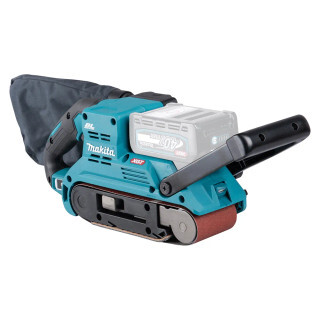
Makita 40V XGT Sanders
Makita 40V sander options for fast, clean finishing on site.
When you're flatting filler, keying paint, or knocking back timber edges, a weak sander just leaves swirls and eats pads. Makita 40V XGT sanders bring proper run time and control, so you can stay on the finish without chasing sockets or burning through abrasives. Pick the pad size and orbit to suit the surface, then crack on.
What Jobs Are Makita 40V Sanders Best At?
- Flattening plaster and filler on refurbs so you can get a clean paint finish without digging in and leaving tramlines.
- Prepping doors, skirting, and architrave on second fix, taking down sharp edges and nibs before caulk and top coat.
- Keying previously painted timber and MDF for recoat work, so primers and finishes actually bite instead of peeling later.
- Sanding panels, worktops, and sheet materials in the workshop or on fit-outs, where steady speed and pad control keep the finish even.
- Quick snagging and touch-ups at handover, where cordless makes sense for moving room to room without dragging leads through fresh paint.
Choosing the Right Makita 40V Sander
Match the sander to the surface and the finish you need, because the wrong pad and orbit will cost you time and abrasives.
1. Random Orbit vs Finishing Sheet
If you're doing general wood prep and paint keying, a random orbit is the safe all-rounder for avoiding straight-line scratches. If you're working right up to corners and along edges on trim, a finishing sheet sander is easier to control and gets into the awkward bits.
2. Pad Size and Reach
If you're knocking through big flat areas like doors and panels, go larger so you cover ground quicker. If you're doing detailed work, returns, and narrow trims, a smaller pad is less likely to tip and gouge the surface.
3. Dust Collection Set-Up
If you're sanding indoors or in finished spaces, don't rely on a bag alone. Pick a model that pairs neatly with extraction and use decent abrasives, because clogged paper and poor airflow is what causes burning and swirl marks.
Makita 40V Sander FAQs
Which Makita sander is best?
It depends what you are sanding. For general wood prep and paint keying, a random orbit is the safest all-rounder for a clean finish. For corners, edges, and trim work, a finishing or detail sander is easier to control and gets into the awkward spots without tipping.
Is a Makita 40V sander worth it over 18V for site work?
If you are sanding for long stretches, yes, because the 40V XGT platform is built for higher demand and tends to hold speed better under load. If you only do quick snagging and the odd door, 18V may be fine, but full days of prep is where 40V earns its keep.
Will these sanders work with dust extraction, or is it just a token dust bag?
They can work properly with extraction as long as you use the correct adaptor and matching hole pattern abrasives. The dust bag is fine for quick outdoor jobs, but for indoor refurbs and finished spaces you will want it on a vac to keep the cut clean and the mess down.
Why am I getting swirl marks even with a decent sander?
Swirls usually come from clogged paper, pressing too hard, or jumping grits. Let the tool do the work, keep extraction running, and step through grits properly. Also check the pad is not worn or hard, because a tired backing pad can make the disc run uneven.
Do Makita 40V XGT batteries fit other Makita tools I already own?
No, XGT 40V batteries are a different platform to Makita 18V LXT. If you are buying into XGT for sanding, it makes sense to stick with other XGT tools on site so you are not carrying two battery systems around.
Who Are Makita 40V Sanders For on Site?
- Joiners and chippies doing second fix who need consistent finishing on doors, trims, and built-ins without cord faff.
- Decorators and maintenance teams prepping walls, woodwork, and patch repairs where a tidy, swirl-free finish saves time on the next coat.
- Kitchen and shopfit crews working across multiple rooms who want XGT run time and dust control options to keep the place presentable.
The Basics: Understanding Sanders
Most sanding problems come down to motion type, grit choice, and dust control. Get those three right and the finish looks cleaner with less effort.
1. Random Orbit Action
The pad spins and oscillates at the same time, which helps hide scratch patterns on timber and painted surfaces. It is the go-to for general prep where you want a consistent finish without visible lines.
2. Orbit Size and Finish Quality
A bigger orbit removes material faster but can be harder to finish out on fine work. A smaller orbit is slower but leaves a neater surface, which matters on gloss work and clear finishes.
3. Dust Extraction Makes the Paper Cut
If the dust is not getting pulled away, it clogs the abrasive and you end up pressing harder, which creates heat, swirl marks, and chewed edges. Good extraction keeps the cut consistent and the work area cleaner.
Makita 40V Sander Accessories That Save Time on the Finish
The right consumables and dust set-up make more difference than people think, especially on indoor refurbs and snagging.
1. Hook and Loop Sanding Discs and Sheets
Stock a spread of grits and change them when they stop cutting, because pushing a dead disc just burns the surface and leaves swirls you have to chase later.
2. Dust Bags and Extractor Adaptors
Use the proper adaptor to connect to your vac or extractor so the holes in the pad actually do their job, which keeps the paper clear and stops dust hanging in finished rooms.
3. Backing Pads and Interface Pads
A fresh backing pad keeps the disc running true, and an interface pad helps on curved or delicate surfaces so you do not cut through edges and corners.
Shop Makita 40V Sanders at ITS
Whether you need a compact detail sander for trims or a bigger random orbit for doors and panels, we stock the Makita 40V sander range and the abrasives to match. It is all held in our own warehouse, in stock and ready for next day delivery so you can get back on the finish without waiting around.