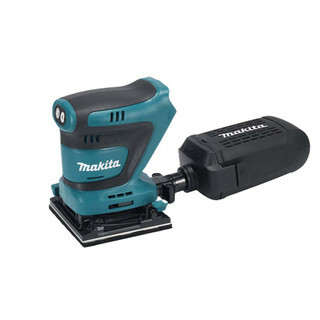
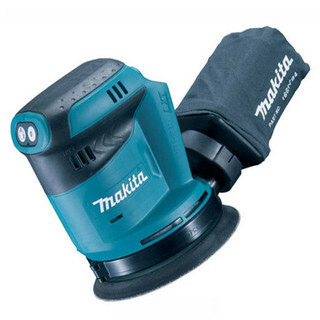
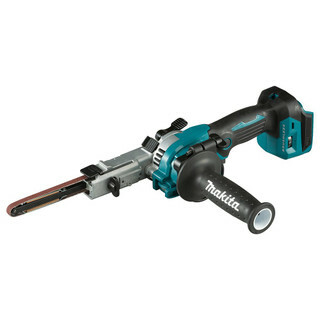
Makita 18V LXT Sanders
Makita LXT sanders keep finishes tidy without dragging leads round site, from quick de-nibs to proper prep on doors, trims, and filled walls.
When you're flatting filler, keying paint, or knocking back rough edges, a cordless sander saves time and keeps the job moving room to room. Makita's 18V LXT range gives you solid control, decent run time, and dust collection options that actually help on refurbs and occupied work. Pick the pad type for the surface, stick a few spare discs in the van, and you're sorted.
What Jobs Are Makita LXT Sanders Used For?
- Flattening filler and feathering edges on patch repairs so walls and ceilings are ready for mist coat without showing through.
- Sanding doors, skirting, architrave, and stair parts between coats to get a clean finish without tearing up profiles.
- Keying glossy paint, varnish, and old finishes on refurb work so primers and top coats bite properly instead of peeling later.
- Knocking back rough timber, plywood edges, and sheet materials before fit-out so joints close up and trims sit tight.
- Spot-sanding snag lists at handover, where a quick cordless pass is faster than setting up corded kit and trailing dust everywhere.
Choosing the Right Makita LXT Sanders
Match the sander to the surface and the finish you're chasing, because the wrong pad shape will waste discs and leave swirls you'll see in the paint.
1. Random Orbit vs Finishing Sheet
If you want a cleaner, swirl-free finish on doors and timber, go random orbit. If you're doing light de-nibbing and flatting between coats on wide, flat areas, a finishing sheet sander is simple and quick, and the paper's usually cheaper.
2. Detail Sander for Corners and Profiles
If you're constantly fighting into corners, around architrave returns, or along stair parts, get a detail sander as well as your main one. It saves you reverting to hand sanding, and it's the difference between "good enough" and properly finished.
3. Dust Control and Extraction
If you're working in occupied houses or finished rooms, don't rely on a token dust bag. Pick a model that takes proper extraction, and run it to a vac when you can, because it keeps the air clearer and stops dust settling back into fresh paint.
4. Battery Capacity for All-Day Prep
If it's occasional touch-ups, smaller batteries will do. If you're sanding filler all morning or prepping a full set of doors, step up the Ah and keep a spare charged, because sanders drain batteries faster than drills.
Makita LXT Sanders FAQs
Are Makita LXT sanders powerful enough to replace corded on site?
For most snagging, prep, and finishing work, yes. If you're doing heavy stock removal all day on big surfaces, corded still has the edge, but for room-to-room refurb and fit-out work the 18V LXT sanders are more than up to it.
Do they actually control dust, or is it still a mess?
The built-in bags help for quick hits, but proper dust control comes from hooking up to extraction with the right adaptor. If you're sanding filler indoors, run a vac and you'll notice the difference straight away.
What's the main difference between random orbit and sheet sanders?
Random orbit is the safer choice for a clean finish on visible timber because it reduces straight-line marks. Sheet sanders are great for light de-nibbing and steady control on flat areas, but they can show scratches if you rush the grits.
Will my existing Makita 18V LXT batteries fit these sanders?
Yes, Makita LXT sanders run on the standard 18V LXT slide batteries, so if you're already on the platform you can share batteries across your kit. Just be aware sanding drains batteries quicker than drilling, so plan your Ah and spares accordingly.
What grit should I start with for filler and for timber?
For filler, start coarse enough to cut it flat without glazing the paper, then step up to finer grits to finish. For timber and between coats, start finer and work up only if you need to remove marks, because going too coarse leaves scratches you'll chase later.
Who Are Makita LXT Sanders For on Site?
- Decorators doing prep and between-coat work who want consistent results without spending the day hand-sanding corners and edges.
- Chippies and kitchen fitters tidying cut edges, easing doors, and finishing trims, especially when you're working room to room.
- Maintenance teams and snaggers who need a quick, clean way to sort scuffs, filler patches, and touch-ups without unpacking half the van.
- Joiners in workshops and on installs who keep a Makita LXT sander handy for keeping panels, frames, and mouldings finish-ready.
The Basics: Understanding Makita LXT Sanders
Different sanders leave different scratch patterns and suit different shapes. Get the basics right and you'll cut faster, use fewer discs, and spend less time fixing marks before paint.
1. Random Orbit (Cleaner Finish)
The pad spins and oscillates, so it doesn't track in straight lines like a sheet sander can. That's why it's the go-to for timber finishing and visible surfaces where you don't want sanding marks telegraphing through.
2. Sheet and Detail Sanders (Control and Access)
Sheet sanders are steady on big flat areas for de-nibbing and light prep, while detail sanders get into corners and tight runs. They're ideal when the shape of the job matters more than raw stock removal.
3. Grit Choice (The Finish Is in the Paper)
Coarse grits shift material fast but leave deeper scratches, so you need to step up through finer grits for a paint-ready finish. If you jump straight to fine paper on rough filler or timber, you'll just clog discs and waste time.
Makita LXT Sander Accessories That Save Time
The right consumables and dust control make more difference than people admit, especially on refurbs and finished rooms.
1. Sanding Discs and Sheets in Mixed Grit Packs
Keep a spread of grits in the van so you're not trying to finish with paper that's too coarse, or burning through fine discs because you started too high. It also stops you bodging a job because you've run out mid-room.
2. Dust Extraction Adaptors and Vacuum Hoses
A proper adaptor and hose connection beats a half-filled dust bag every time, especially on filler dust. You'll spend less time cleaning up, and you won't be dragging dust back through fresh paint and sealant.
3. Replacement Backing Pads and Pad Savers
Pads take a hammering if you catch edges or run worn paper, and once the hook and loop is tired your discs will fly off and you'll get chatter. A spare pad or pad saver keeps the sander working properly instead of limping through the last day of a job.
4. Spare Batteries and a Fast Charger
Sanders chew through charge, so a second battery is the difference between continuous prep and waiting around. If you're on site all day, a faster charger pays for itself the first time you don't lose an hour to dead kit.
Shop Makita LXT Sanders at ITS
Whether you need a compact detail sander for corners or a random orbit for proper prep work, we stock a full range of Makita LXT sanders and the consumables to keep them running. It's all held in our own warehouse, ready for next day delivery so you can get back on the job without waiting around.