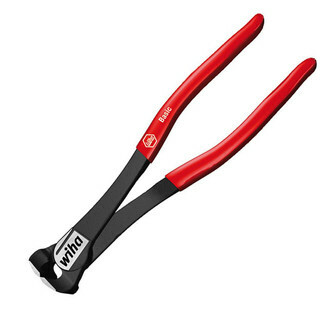
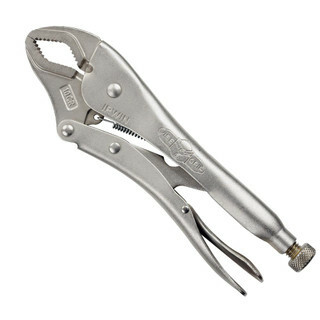
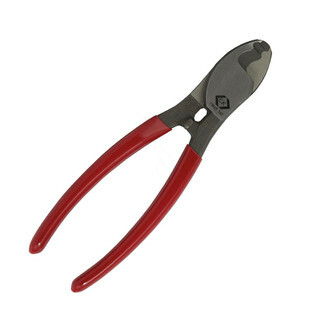
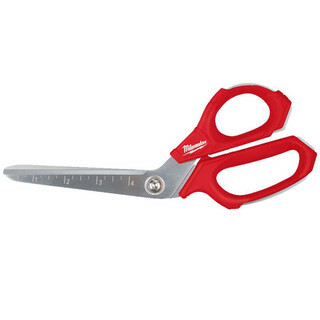
Pliers & Cutters

Pliers are the everyday grab-and-go for gripping, twisting and cutting when fingers and spanners just won't do it.

When you're on a snag list, first fix, or mid-refurb and something needs holding, bending, pulling or nipping off clean, pliers tools save time and skin. From combination pliers for general graft to water pump pliers and pipe grips for plumbing grips on awkward fittings, pick the jaw and size that matches the job and they'll take the abuse.

What Jobs Are Pliers Best At?

  • Gripping and turning fittings Use water pump pliers and adjustable pliers as pipe pliers for shifting compression nuts, valves and threaded bits when you cannot get a spanner square on.
  • General site handling Keep combination pliers in the tool bag for twisting tie wire, pulling staples, straightening fixings and holding small parts while you drill or screw.
  • Electrical and control work Use electrical grips and electricians grips for pinching, bending and positioning cable, trunking and small fixings without chewing them up.
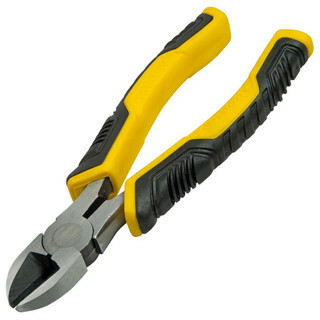
  • Cutting and trimming Grab a cutting plier or plier cutter for snipping cable ties, soft wire and light fixings cleanly, especially when you need a quick cutter and plier on ladders or in a cramped cupboard.
  • Heavy grab jobs Reach for big pliers when you need extra leverage on seized clips, stubborn hose tails or rough pipe grips, but keep the jaws aligned so you do not round the work.

Choosing the Right Pliers

Sorting the right plier is simple: match the jaw to what you're gripping, then size it so you're not slipping and rounding everything off.

1. Combination pliers vs specialist grips

If you want one pair that covers most day-to-day, go combination pliers for gripping and light cutting. If you're on plumbing grips and fittings all week, water pump pliers and pipe grips are the ones that bite and adjust properly without constant re-positioning.

2. Adjustable pliers and jaw capacity

If you're working on mixed pipe sizes, adjustable pliers save you carrying multiple tools, but only if the jaw opens wide enough for what you see on site. Too small and you'll be on the edge of the jaws, which is when pipe pliers slip and chew fittings.

3. Cutting needs

If you're regularly snipping wire, ties or light fixings, pick a proper cutting plier or plier cutter instead of forcing it with general grips. You'll get a cleaner cut and you won't wreck the edges of your everyday pliers.

4. Handle style and control

If you're doing electrical grips work or repetitive hand use, choose handles that give you control when your hands are dusty or wet. If you're in tight cupboards and back boxes, a slimmer handle and shorter nose is often more useful than extra length.

Who Uses These Pliers on Site?

  • Sparkies and maintenance teams who live out of a pouch and need electrician grips for quick bends, holds and tidy cut-offs without swapping tools every two minutes.
  • Plumbers and heating engineers who rely on plumbers pliers, plumbing pliers and water pump pliers for adjustable grips on pipe, valves and awkward fittings under sinks and in risers.
  • Chippies, fitters and general builders who keep a plier close for day-to-day pulling, twisting and holding when the job is moving too fast to keep hunting for the perfect spanner.

How Pliers Work for You

All pliers do the same basic job, but the jaw shape and adjustment decide whether they grip clean or slip and round things off. Here's what matters on site.

1. Jaw pattern decides the grip

Combination pliers have a general-purpose jaw for holding and twisting, while pipe grips and plumbing grips use aggressive teeth to bite round pipe and fittings. Use the wrong jaw and you either mark the work or you cannot get it to hold.

2. Adjustment gives you leverage

Water pump pliers and adjustable grips let you set the jaw to the size of the fitting, so you keep the handles in a strong position instead of fighting it at full stretch. That is what stops slipping when you're cracking something tight.

3. Cutting edges are for specific materials

A cutting plier is built to shear softer materials cleanly, like wire and ties, without twisting them off. If you try to cut the wrong stuff, you will chip the edge and the tool will never cut right again.

Shop Pliers at ITS.co.uk

Whether you need a single replacement plier for the van or you're stocking up on water pump pliers, combination pliers and pipe grips for the team, we've got the range to cover it. It's all held in our own warehouse, in stock and ready for next day delivery so you can get back on the tools without waiting around.

Pliers FAQs

What is another name for pliers?

Most lads just call them grips, and in plumbing you'll hear pipe grips or plumbing pliers. Water pump pliers are also commonly called adjustable grips because the jaw setting changes to suit the fitting.

What are the types of pliers?

The common site types are combination pliers for general holding and light cutting, water pump pliers for pipe and fittings, and cutting plier styles for snipping wire and ties. The right type is the one that grips without slipping and cuts without chewing the material.

Is it pliers or plies?

It's pliers. Plies is just a common mis-say, same as pliars you'll see written on site, but if you're searching or ordering, pliers is the correct term.

Do water pump pliers mark chrome and finished fittings?

Yes, they can, because the teeth are meant to bite. If you're on finished chrome, protect it with a wrap or use a smoother jaw option, otherwise you'll leave tooth marks and you'll be the one replacing it.

What size pliers should I carry day to day?

Carry a sensible mid-size combination pliers for general work, then add bigger pliers or adjustable pliers when you know you're on pipe, larger fixings or stubborn clips. Too small slips, too big is just awkward in cupboards and back boxes.
Read more

Pliers & Cutters

Pliers are the everyday grab-and-go for gripping, twisting and cutting when fingers and spanners just won't do it.

When you're on a snag list, first fix, or mid-refurb and something needs holding, bending, pulling or nipping off clean, pliers tools save time and skin. From combination pliers for general graft to water pump pliers and pipe grips for plumbing grips on awkward fittings, pick the jaw and size that matches the job and they'll take the abuse.

What Jobs Are Pliers Best At?

  • Gripping and turning fittings Use water pump pliers and adjustable pliers as pipe pliers for shifting compression nuts, valves and threaded bits when you cannot get a spanner square on.
  • General site handling Keep combination pliers in the tool bag for twisting tie wire, pulling staples, straightening fixings and holding small parts while you drill or screw.
  • Electrical and control work Use electrical grips and electricians grips for pinching, bending and positioning cable, trunking and small fixings without chewing them up.
  • Cutting and trimming Grab a cutting plier or plier cutter for snipping cable ties, soft wire and light fixings cleanly, especially when you need a quick cutter and plier on ladders or in a cramped cupboard.
  • Heavy grab jobs Reach for big pliers when you need extra leverage on seized clips, stubborn hose tails or rough pipe grips, but keep the jaws aligned so you do not round the work.

Choosing the Right Pliers

Sorting the right plier is simple: match the jaw to what you're gripping, then size it so you're not slipping and rounding everything off.

1. Combination pliers vs specialist grips

If you want one pair that covers most day-to-day, go combination pliers for gripping and light cutting. If you're on plumbing grips and fittings all week, water pump pliers and pipe grips are the ones that bite and adjust properly without constant re-positioning.

2. Adjustable pliers and jaw capacity

If you're working on mixed pipe sizes, adjustable pliers save you carrying multiple tools, but only if the jaw opens wide enough for what you see on site. Too small and you'll be on the edge of the jaws, which is when pipe pliers slip and chew fittings.

3. Cutting needs

If you're regularly snipping wire, ties or light fixings, pick a proper cutting plier or plier cutter instead of forcing it with general grips. You'll get a cleaner cut and you won't wreck the edges of your everyday pliers.

4. Handle style and control

If you're doing electrical grips work or repetitive hand use, choose handles that give you control when your hands are dusty or wet. If you're in tight cupboards and back boxes, a slimmer handle and shorter nose is often more useful than extra length.

Who Uses These Pliers on Site?

  • Sparkies and maintenance teams who live out of a pouch and need electrician grips for quick bends, holds and tidy cut-offs without swapping tools every two minutes.
  • Plumbers and heating engineers who rely on plumbers pliers, plumbing pliers and water pump pliers for adjustable grips on pipe, valves and awkward fittings under sinks and in risers.
  • Chippies, fitters and general builders who keep a plier close for day-to-day pulling, twisting and holding when the job is moving too fast to keep hunting for the perfect spanner.

How Pliers Work for You

All pliers do the same basic job, but the jaw shape and adjustment decide whether they grip clean or slip and round things off. Here's what matters on site.

1. Jaw pattern decides the grip

Combination pliers have a general-purpose jaw for holding and twisting, while pipe grips and plumbing grips use aggressive teeth to bite round pipe and fittings. Use the wrong jaw and you either mark the work or you cannot get it to hold.

2. Adjustment gives you leverage

Water pump pliers and adjustable grips let you set the jaw to the size of the fitting, so you keep the handles in a strong position instead of fighting it at full stretch. That is what stops slipping when you're cracking something tight.

3. Cutting edges are for specific materials

A cutting plier is built to shear softer materials cleanly, like wire and ties, without twisting them off. If you try to cut the wrong stuff, you will chip the edge and the tool will never cut right again.

Shop Pliers at ITS.co.uk

Whether you need a single replacement plier for the van or you're stocking up on water pump pliers, combination pliers and pipe grips for the team, we've got the range to cover it. It's all held in our own warehouse, in stock and ready for next day delivery so you can get back on the tools without waiting around.

Pliers FAQs

What is another name for pliers?

Most lads just call them grips, and in plumbing you'll hear pipe grips or plumbing pliers. Water pump pliers are also commonly called adjustable grips because the jaw setting changes to suit the fitting.

What are the types of pliers?

The common site types are combination pliers for general holding and light cutting, water pump pliers for pipe and fittings, and cutting plier styles for snipping wire and ties. The right type is the one that grips without slipping and cuts without chewing the material.

Is it pliers or plies?

It's pliers. Plies is just a common mis-say, same as pliars you'll see written on site, but if you're searching or ordering, pliers is the correct term.

Do water pump pliers mark chrome and finished fittings?

Yes, they can, because the teeth are meant to bite. If you're on finished chrome, protect it with a wrap or use a smoother jaw option, otherwise you'll leave tooth marks and you'll be the one replacing it.

What size pliers should I carry day to day?

Carry a sensible mid-size combination pliers for general work, then add bigger pliers or adjustable pliers when you know you're on pipe, larger fixings or stubborn clips. Too small slips, too big is just awkward in cupboards and back boxes.
ITS Click and Collect Icon
What3Words:
Get Directions
Store Opening Hours
Opening times