Knipex Workwear & PPE
Knipex workwear covers the site basics that keep tools secure, kit organised, and you safer when the job gets awkward or off the ground.
This is the sort of Knipex work gear you buy when you're done with flimsy belts, useless pouches, and lanyards that get in the way. The Knipex PPE range is built around real trade use, from tethering tools for working at height to keeping everyday carry sorted on first fix, maintenance, and snagging jobs. Pick the bits that match how you actually work and get your kit squared away.
What Is Knipex Workwear Used For?
- Working at height on towers, steps, or plant where Knipex lanyards help stop dropped tools turning into a serious site risk below.
- Setting up for first fix and service work where tool belts and pouches keep your core hand tools close instead of sending you back to the box every five minutes.
- Handling repetitive cutting, gripping, and stripping jobs where Knipex PPE and gloves help with grip, control, and reducing hand fatigue through the shift.
- Keeping maintenance teams and fitters organised in tight plant rooms, risers, and roof spaces where loose tools are a nuisance and a hazard.
- Backing up site compliance on jobs with stricter safety rules, especially where tethered tools and certified PPE are part of the RAMS.
Choosing the Right Knipex Workwear
Sort the right setup by the job first. If you work off the ground or out of a pouch all day, do not buy the cheapest option and hope for the best.
1. Tool Retention for Height Work
If you are on ladders, towers, MEWPs, or roof plant, start with Knipex lanyards and tether-ready kit. If the site has dropped tool rules, this is not optional. Make sure the lanyard and attachment method suit the weight and type of tool you actually carry.
2. Belt and Pouch Layout
If you only need a few essentials for snagging or service calls, keep it light with a compact pouch. If you are doing full shifts on first fix or install work, go for a larger belt setup that spreads the load properly and stops you digging around for the same tool all day.
3. PPE to Match the Task
If the work is mostly handling, pulling, and cutting, gloves with proper grip and dexterity matter more than bulk. If the job is inspection, access, or tool control focused, put more thought into retention gear and certified Knipex safety equipment than extra storage.
4. Site Rules and Certification
If you are buying for a larger site or contractor, check the PPE meets the required EN standards before you order. It saves arguments with site management and means the kit can go straight into use instead of back in the van.
Who Uses These on Site?
- Sparkies use Knipex workwear and tool belts for first fix, testing, and maintenance when they need cutters, strippers, and drivers on them instead of in a case across the room.
- Industrial fitters and maintenance teams rely on Knipex lanyards when working at height, especially on access gear, gantries, and plant where dropped tools are not an option.
- Mechanical and HVAC engineers keep this sort of Knipex work gear for roof work and plant room callouts, where tethered tools and organised carry save time and hassle.
- Site supervisors and safety-conscious teams reach for Knipex PPE where the job demands proper retention, decent organisation, and gear that stands up to regular use.
The Basics: Understanding Knipex PPE and Tool Retention
With this sort of gear, the main thing is knowing what solves a real site problem. It is less about fashion and more about retention, access, and staying compliant on the job.
1. Tool Lanyards
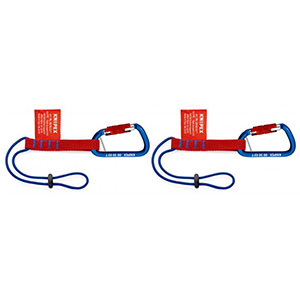
A lanyard links the tool to you or your belt so if it slips from your hand, it does not hit the deck below. That matters on scaffold, access platforms, and roof work where one dropped pair of pliers can shut a job down fast.
2. Tool Belts and Pouches
These keep the tools you use every few minutes close to hand. On site, that means less climbing down, less walking back to the box, and less wasted time on simple jobs like clips, terminations, and adjustments.
3. Certified PPE
EN-rated PPE is about proven performance, not guesswork. If gloves or safety equipment are certified for the task, you know they are built for proper trade use rather than just looking the part.
Knipex Work Gear Accessories That Make Site Life Easier
A few add-ons make this gear far more useful day to day, especially when you are moving between access work, install jobs, and maintenance callouts.
1. Tool Lanyard Attachment Points
These save you bodging a tether onto a tool that was never meant for it. Use the right attachment point and you avoid tools twisting awkwardly, snagging constantly, or dropping because the fix was an afterthought.
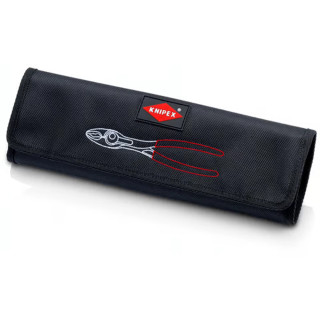
2. Belt Pouches and Holders
A proper pouch or holder stops your main tools ending up in one overloaded pocket. It keeps cutters, pliers, and testers where you can grab them fast instead of wasting time fishing about mid job.
3. Spare Retention Straps or Connectors
Worth having if you are regularly working at height. When a connector gets damaged or worn, a spare means you are not stood there unable to use half your kit safely.
Choose the Right Knipex Workwear for the Job
Match the gear to how and where you work, not just what fits in the basket.
| Your Job | Knipex Workwear or Type | Key Features |
|---|---|---|
| Working on towers, scaffold, or access kit | Tool lanyards and tethered tool gear | Secure retention, reduced dropped tool risk, suitable attachment points |
| First fix and install work | Tool belt and pouch setup | Fast access to hand tools, better organisation, less walking back to the box |
| Maintenance and service callouts | Compact pouch or light carry work gear | Lower bulk, easy movement in tight spaces, core tools kept close |
| Handling and repetitive hand tool tasks | Knipex gloves and PPE | Grip, control, dexterity, protection matched to site work |
| Sites with strict safety paperwork | Certified Knipex PPE range | EN standard compliance, easier sign-off, better fit with site rules |
Common Buying and Usage Mistakes
- Buying a tool belt that is too big and loading it with everything you own usually ends with backache and a belt you stop wearing by day three. Pick the layout around the handful of tools you actually use every hour.
- Using non-rated or improvised tethers for height work is asking for trouble. If the site needs tethered tools, use proper Knipex tool retention gear that suits the tool weight and attachment point.
- Assuming all gloves suit all tasks wastes money and can make fine work harder. For stripping, gripping, and repetitive hand tool use, prioritise dexterity and grip over thick, clumsy protection.
- Ignoring EN certification can get kit knocked back on larger jobs. Check the relevant standard before ordering so the PPE can go straight onto site.
- Leaving lanyards and connectors unchecked until they fail is poor practice. Give them a quick look for wear, cuts, or damaged stitching before each shift.
Tool Lanyards vs Tool Belts vs Gloves
Tool Lanyards
Best for height work and controlled access jobs where dropped tools are a real hazard. They do not replace storage, but they are the first thing to sort if you are working above others.
Tool Belts and Pouches
Best for speed and organisation on first fix, install, and maintenance work. They keep tools handy, but they will not solve dropped tool risks on their own unless paired with tethering where needed.
Gloves and PPE
Best for grip, hand protection, and day to day site compliance. They help with comfort and control, but they are not a substitute for retention gear or proper tool carry.
Maintenance and Care
Check Stitching and Connectors
Look over lanyards, loops, clips, and stitched sections regularly. If anything is frayed, cut, bent, or loose, retire it before it causes grief on site.
Clean Off Dust and Site Grime
Pouches, belts, and gloves last longer if you knock out dust and wipe off muck instead of leaving everything caked up in the van. Built-up grit wears fabric and fixings faster than most people realise.
Store Dry
Do not leave workwear and PPE damp in a box over the weekend. Let it dry properly first so you avoid stiff fabric, smells, and premature wear on stitched parts.
Do Not Overload Belts and Pouches
Stuffing every pocket shortens the life of the belt and makes it a pain to wear. Keep it to the tools for that job and the gear will sit better and last longer.
Replace Worn PPE Promptly
Once gloves lose grip or retention gear shows wear, swap it out. Trying to squeeze extra life out of safety kit is false economy.
Why Shop for Knipex Workwear at ITS?
Whether you need Knipex workwear, Knipex PPE, tool lanyards, belts, or everyday site carry gear, we stock the range that trade users actually look for. It is all held in our own warehouse, in stock and ready for next day delivery, so you can get the right kit ordered today and on site tomorrow.
Knipex Workwear and PPE FAQs
What workwear and PPE does Knipex make?
Knipex mainly focuses on practical trade support gear rather than full clothing lines. That means items like tool lanyards, tool belts, pouches, gloves, and other Knipex safety equipment aimed at carrying tools properly and making site work safer.
Does Knipex make tool lanyards for working at height?
Yes. Knipex does make tool lanyards and tethered tool solutions for working at height. They are there to reduce dropped tool risk on scaffold, towers, access platforms, and roof work where one slip can cause a serious problem below.
Is Knipex PPE certified to EN standards?
Where certification applies, that is exactly what you should check on the product listing before buying. Many site buyers need PPE that meets EN standards, so always confirm the individual item is rated for the task rather than assuming the whole range is the same.
Does Knipex make gloves?
Yes, Knipex does make gloves. They are typically aimed at trade handling tasks where grip, control, and decent feel through the fingers matter more than bulky protection that gets in the way.
What Knipex PPE is used with tethered tools?
The main pieces are tool lanyards, attachment points, and compatible belts or carry gear that let you secure the tool properly. The right setup depends on tool weight, where you are working, and whether the site requires a full tethered tool system.
Is this proper site kit or just branded extras?
It is job-led kit when you pick the right items. The lanyards, pouches, and gloves are there to solve real issues like dropped tools, awkward carry, and keeping essentials on you during install and maintenance work.
Will Knipex tool belts and pouches suit daily trade use?
Yes, if you buy them for the amount of kit you actually carry. For everyday first fix or service work, a sensible belt and pouch setup keeps the regular hand tools close and saves a lot of pointless walking back and forth.