Knipex Tool Belts, Pouches & Rolls
A Knipex tool belt keeps your core kit on you, not buried in the van, for quicker access on first fix, fault finding, and snagging work.
If you're up and down steps, in and out of risers, or moving room to room on install work, a proper Knipex tool belt saves time and stops the usual pocket clutter. These belts, pouches and rolls are built for sparkies and fitters who only want the tools they actually use to hand. Look at pouch layout, belt adjustment and how the weight sits once loaded, then pick the setup that suits your day.
What Jobs Are Knipex Tool Belts Best At?
- Working through first fix electrical installs, a Knipex tool belt keeps cutters, drivers, testers and fixings on your hip so you're not climbing down every five minutes for one missing bit.
- Moving through commercial snagging jobs, a Knipex belt pouch gives you quick access to the few tools you keep reaching for without dragging a full bag round finished areas.
- Running maintenance callouts, these setups help you carry pliers, torch, tape and small parts neatly when the job is spread across plant rooms, corridors and ceiling voids.
- Working off steps or ladders, a Knipex belt with pouches keeps weight closer to your body and leaves both hands freer than balancing loose tools in pockets or on a rung.
- Sorting short inspection and testing jobs, a Knipex tool belt set makes it easier to carry just the essentials and keep the van shut instead of unpacking half your storage for a ten minute task.
Choosing the Right Knipex Tool Belt
Sorting the right one is simple: carry what you genuinely use every hour, not every tool you own.
1. Belt Only or Full Setup
If you've already got your preferred holders, a belt on its own may do the job. If you're starting from scratch or want everything to sit properly together, a Knipex tool belt set makes more sense than piecing it together badly.
2. Pouch Layout Matters More Than Capacity
If you're mainly carrying pliers, drivers and a tester, pick slim organised pouches over big dump pockets. Overloading a belt pouch just turns it into a swinging bucket that catches on frames and ladders.
3. Match It to the Shift Length
If it's for quick service calls and snagging, keep it light with one or two pouches. If you're wearing it all day on install work, pay attention to belt width, adjustability and how evenly the load spreads across your hips.
4. Think About Expansion
If your loadout changes from job to job, go for a Knipex belt system that lets you swap modules. That way one day it can hold electrical hand tools, and the next it can be stripped back for small fixings and inspection work.
Who Uses These on Site?
- Sparkies are the main users, especially for first fix, board work and testing, because a Knipex tool belt electrician setup keeps pliers, screwdrivers and small testers where your hand expects them.
- Maintenance engineers swear by them for fault finding and reactive jobs where you're walking a whole building and only need a tight kit, not a full tote.
- Data installers and AV fitters use a Knipex belt pouch when they're up steps, dressing cables and trimming fixings, as it stops pockets bulging and tools dropping out when you crouch.
- Fitters and service teams also reach for them on snagging rounds, often pairing belt carry with Knipex Tool Bags for the bigger kit left nearby.
How Knipex Tool Belts Work for You
The point is simple. You move the tools you reach for most from the bag to your waist, so access is quicker and you waste less time walking back and forth.
1. Belt and Load Distribution
A decent tool belt spreads the weight around your waist instead of dragging one pocket down. That matters when you're climbing steps, kneeling at sockets or working through a long snag list.
2. Pouches for Fast Access
Pouches keep individual tools in fixed spots, so you're not rummaging. Once you've used the same layout for a week, you can grab cutters or a driver without even looking down.
3. Rolls for Compact Hand Tool Carry
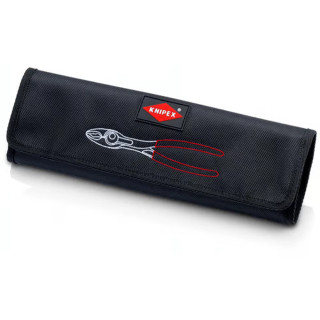
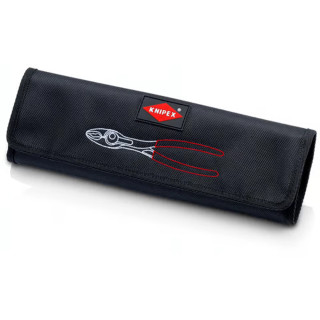
Tool rolls are different. They keep smaller hand tools tidy and protected in the van or bag, but they are slower to open and repack mid job than a belt setup.
Accessories That Make a Knipex Tool Belt More Useful
A few add-ons make the difference between a belt you wear once and one you actually keep on all shift.
1. Knipex Tool Pouches
Add or swap Knipex Tool Pouches when your loadout changes. It saves stuffing the wrong tools into one pocket and fighting to get them back out with gloves on.
2. Knipex Tool Rolls
Keep the less-used hand tools in Knipex Tool Rolls and wear only the essentials. That stops your belt getting overloaded just because you might need one odd tool later.
3. Knipex Tethered Tool Lanyards
If you're working at height or over sensitive kit, Knipex Tethered Tool Lanyards are worth having. You'll be glad of them when a pair of pliers slips out instead of dropping onto someone below or through a ceiling grid.
Choose the Right Knipex Tool Belt for the Job
Use this as a quick way to match your setup to the sort of work you actually do.
| Your Job | Knipex Tool Belt or Type | Key Features |
|---|---|---|
| First fix electrical work on steps and ladders | Tool belt with multiple slim pouches | Balanced carry, quick access to pliers and drivers, less pocket bulk |
| Maintenance callouts and fault finding | Single belt pouch or light belt setup | Low weight, fast to put on, enough room for core hand tools and testers |
| Snagging in finished areas | Compact belt pouch | Neater carry, less chance of knocking walls and frames, easy access to small tools |
| Van stock and backup hand tool organisation | Tool roll | Keeps tools protected, tidy and easy to store, better for less-used items |
| Mixed-site work with changing loadouts | Adjustable belt system with modular pouches | Swap pouches by task, spread weight better, easier to customise day to day |
Common Buying and Usage Mistakes
- Buying the biggest setup straight away is a common mistake. Once loaded, it gets heavy, swings about on ladders and usually ends up left in the van, so start with what you really use daily.
- Ignoring pouch layout causes more grief than people expect. If your cutters, drivers and tester all sit in one deep pocket, you waste time rummaging and can damage smaller tools.
- Wearing the belt too loose makes the whole thing sag and shift when you kneel or climb. Get it adjusted properly so the load sits on your hips, not hanging off one side.
- Using a belt when a roll would do is another one. If the tools are only needed now and then, a roll keeps them tidier and stops you carrying dead weight all day.
- Not checking compatibility between belt and pouch can leave you with a setup that never feels right. Stick with matching Knipex storage where possible so the system works together properly.
Tool Belt vs Belt Pouch vs Tool Roll
Tool Belt
Best for all-day jobs where you need repeated access to the same core tools. It carries more and spreads the load better, but only if you avoid overfilling it.
Belt Pouch
Better for lighter work, snagging and service visits where a full belt would be overkill. You get quick access to essentials, but limited room once you add bulkier hand tools.
Tool Roll
The right choice for storing smaller hand tools neatly in the van or main bag. It protects tools well, but it is slower on active site work because you have to unroll it every time.
Which One to Buy
If you're walking the site and using the same tools constantly, buy a belt. If you just need a few items close by, buy a pouch. If organisation matters more than speed, buy a roll.
Maintenance and Care
Clear Out Dust and Fixings
Empty the pouches regularly and knock out plaster dust, metal swarf and loose screws. Leaving debris in the bottom wears the material faster and makes tools harder to grab cleanly.
Check Stitching and Fasteners
Give the seams, loops and attachment points a look every so often, especially if you carry heavier pliers or drivers. If stitching starts to pull, deal with it before the pouch gives way on site.
Do Not Store It Loaded and Damp
If the belt gets wet, dry it out before chucking it back in the van. Damp storage and constant weight on the same points shorten the life of both the belt and the pouch shape.
Rebalance Your Load
As your day-to-day kit changes, move tools round so the weight stays even. One overloaded side is harder on the belt and harder on your back over a full shift.
Replace Worn Parts Before They Cost You Tools
Once a belt no longer adjusts properly or a pouch has gone slack, replace it. Hanging on too long usually ends with dropped tools, slower work and more annoyance than the new part costs.
Why Shop for Knipex Tool Belt Storage at ITS?
Whether you need a single Knipex belt pouch, a full Knipex tool belt set, or broader Knipex Tool Storage for the van and site, we stock the range properly. That means belts, pouches, rolls and more in our own warehouse, ready for next day delivery when the job cannot wait.
Knipex Tool Belt FAQs
What should an electrician carry on a tool belt?
Keep it to the tools you reach for constantly. For most sparkies that means side cutters, combination pliers, a couple of drivers, a tester, tape, a marker and a small pouch for fixings. Do not load it like a full tool bag or it becomes a pain to wear by mid-morning.
Do Knipex pouches fit any tool belt?
Some will fit other belts, but not every setup works well once loaded. The safest move is to match Knipex pouches with the right Knipex belt so the attachment, balance and positioning all stay secure on site.
How much weight will a Knipex tool belt take?
Enough for your core hand tools and small parts, but it is not meant to carry half the van. If the belt is dragging down, twisting round your waist or digging into your hips, you are carrying too much and need to strip it back.
Is a tool belt or a tool roll better for small tools?
For active site work, a tool belt is quicker because everything is to hand. For storing smaller hand tools neatly in the van or a larger bag, a tool roll is better because it keeps them protected and stops them rattling about loose.
Are Knipex tool belts adjustable?
Yes, that is the whole point of getting the fit right. You want the belt snug enough that it stays put when you kneel or climb, but not so tight it digs in once the pouches are loaded.
Will a Knipex leather tool belt suit all-day use?
Yes, if the weight is sensible and the pouch layout works for you. Leather wears in well and stands up to site abuse, but even a good belt gets uncomfortable if you overload one side with heavy tools.