


Pole Saws

Pole saw UK range for cutting high branches safely from the ground, when ladders are a bad idea and you still need a clean, controlled cut.

When you're clearing overhangs on a driveway, tidying up a site boundary, or taking back branches over a roofline, a pole saw keeps you planted and working at height without the wobble. Go for a pro-style head and a rigid pole so it doesn't whip about, and you'll get neat cuts that don't tear the bark. Pick your reach first, then choose the power type that suits how often you'll be on it.

What Are Pole Saws Used For?

  • Cutting back overhanging branches along fences, drives, and site boundaries while keeping both feet on the ground and out of the hedge line.
  • Pruning trees around buildings and roofs where a ladder would be sketchy, letting you control the cut and drop the limb where you want it.
  • Clearing access routes and parking areas after storms so vans and plant can get in without snagging mirrors, beacons, or roof racks.
  • Reducing branches over gardens and patios for a tidy handover finish, without dragging out scaffold towers or hiring a cherry picker for small jobs.
  • Maintaining estates, schools, and commercial grounds where regular trimming is needed and a clean cut matters for tree health and complaints.

Choosing the Right Pole Saw UK

Sorting the right one is simple: buy it for the height and frequency you'll actually use it, not the biggest number on the box.

1. Reach and rigidity

If you're only taking back low branches over fences, a shorter pole is easier to control and far less tiring. If you genuinely need height, choose a pole that stays stiff when extended, because a whippy pole makes the saw wander and turns a clean cut into a fight.

2. Power type for the work rate

If you're doing occasional pruning, cordless is usually the least hassle and quickest to grab off the van. If you're on it day in, day out, a professional pole saw UK setup should prioritise sustained cutting and runtime, so you are not stopping mid-branch to swap batteries or baby the motor.

3. Head angle and cutting control

If you're working over sheds, conservatories, or tight boundaries, an adjustable head helps you keep the bar square to the limb so it cuts clean and doesn't pinch. For straightforward straight-up pruning, a fixed head can be simpler and more robust, with less to loosen over time.

4. Weight and balance over a full day

If you're doing more than a few cuts, weight matters more than people admit. A slightly shorter, better-balanced pole saw will get more done with cleaner cuts than a long, heavy one that has your shoulders burning after ten minutes.

Who Are Pole Saws For on Site?

  • Landscapers and grounds maintenance teams who need repeatable pruning all season and want a professional pole saw UK setup that stands up to daily use.
  • Tree surgeons and arb crews using them for light crown lifting and reach work before stepping up to climbing or bigger kit.
  • Builders and property maintenance teams clearing overhangs for access, scaffolding lines, gutters, and snag-free handovers.
  • Facilities and estate teams keeping paths, car parks, and entrances clear, where working from the ground is the safer, quicker option.

How Pole Saws Work for You

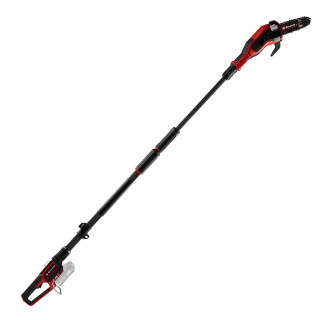
A pole saw is basically a small chainsaw head on an extended shaft, built to let you prune from the ground. The trick is keeping the cut controlled and the bar in the right place.

1. Cutting from the ground, not from a ladder

The pole gives you reach, so you can stand back, keep your footing, and work the branch safely down in sections instead of leaning out on steps and hoping it doesn't swing back at you.

2. Bar position and pinch prevention

Because you're cutting above shoulder height, the branch can close and pinch the bar if you rush it. A steady, square approach and sensible limb sizing keeps it cutting freely and stops you getting the saw stuck mid-cut.

3. Chain condition is everything

A sharp, correctly tensioned chain is what makes a pole saw feel controlled rather than grabby. If it's dull, you'll end up forcing it, the cut will tear, and you'll burn time and batteries getting through simple limbs.

Pole Saw Accessories That Keep You Cutting

The right spares stop a simple pruning job turning into a wasted trip back to the yard.

1. Spare chains

Have a spare chain ready, because once you've clipped a bit of grit, fencing wire, or hidden nails in old timber, the cut quality falls off a cliff and you'll be forcing the saw.

2. Chain oil

Keep proper chain oil on hand so the bar and chain stay lubricated; running dry is the quickest way to cook the bar and turn a tidy pruning job into rough, smoky cutting.

3. Bar and chain file kit

A quick touch-up in the van keeps the chain biting cleanly, especially on repeat maintenance work where you cannot afford to lose time fighting blunt cutters.

Shop Pole Saws at ITS

Whether you need a compact pole saw for quick tidy-ups or a professional pole saw UK option for regular grounds work, we stock the full range in different reaches and power types. It's all held in our own warehouse and ready for next day delivery, so you can order today and be cutting on site tomorrow.

Pole Saw UK FAQs

What is the best pole saw uk for professional use?

The best one is the pole saw that matches your real work rate and reach without flexing all over the place. For professional use, prioritise a rigid extended pole, an adjustable head if you're working over roofs and boundaries, and easy access to chains and oil so it stays cutting cleanly week after week.

How do I choose the right pole saw uk?

Start with the height you actually need, because extra reach usually means extra weight and less control. Then choose the power type based on how often you'll use it, and check the balance in hand, because a well-balanced saw is safer and gives cleaner cuts than a long, heavy setup you cannot hold steady.

What are the key features to look for in a pole saw uk?

Look for solid pole rigidity at full extension, a head design that lets you keep the bar square to the branch, and straightforward chain tensioning and oiling. Those are the features that stop it snagging, pinching, and wandering about when you're trying to make a clean pruning cut from the ground.

Can a pole saw handle thick branches, or is it just for light pruning?

They are made for pruning and limb removal, not felling. You can take decent-sized limbs if you cut sensibly in sections, but if you're regularly tackling heavy, thick branches, you'll be quicker and safer stepping up to the right saw and access method rather than overloading a pole saw.

Do pole saws need much maintenance?

They are simple, but they do need the basics done properly. Keep the chain sharp and correctly tensioned, keep chain oil topped up, and clean out chips so the head does not clog, because most "poor performance" is just a dry or blunt chain.

Read more

Pole Saws

Pole saw UK range for cutting high branches safely from the ground, when ladders are a bad idea and you still need a clean, controlled cut.

When you're clearing overhangs on a driveway, tidying up a site boundary, or taking back branches over a roofline, a pole saw keeps you planted and working at height without the wobble. Go for a pro-style head and a rigid pole so it doesn't whip about, and you'll get neat cuts that don't tear the bark. Pick your reach first, then choose the power type that suits how often you'll be on it.

What Are Pole Saws Used For?

  • Cutting back overhanging branches along fences, drives, and site boundaries while keeping both feet on the ground and out of the hedge line.
  • Pruning trees around buildings and roofs where a ladder would be sketchy, letting you control the cut and drop the limb where you want it.
  • Clearing access routes and parking areas after storms so vans and plant can get in without snagging mirrors, beacons, or roof racks.
  • Reducing branches over gardens and patios for a tidy handover finish, without dragging out scaffold towers or hiring a cherry picker for small jobs.
  • Maintaining estates, schools, and commercial grounds where regular trimming is needed and a clean cut matters for tree health and complaints.

Choosing the Right Pole Saw UK

Sorting the right one is simple: buy it for the height and frequency you'll actually use it, not the biggest number on the box.

1. Reach and rigidity

If you're only taking back low branches over fences, a shorter pole is easier to control and far less tiring. If you genuinely need height, choose a pole that stays stiff when extended, because a whippy pole makes the saw wander and turns a clean cut into a fight.

2. Power type for the work rate

If you're doing occasional pruning, cordless is usually the least hassle and quickest to grab off the van. If you're on it day in, day out, a professional pole saw UK setup should prioritise sustained cutting and runtime, so you are not stopping mid-branch to swap batteries or baby the motor.

3. Head angle and cutting control

If you're working over sheds, conservatories, or tight boundaries, an adjustable head helps you keep the bar square to the limb so it cuts clean and doesn't pinch. For straightforward straight-up pruning, a fixed head can be simpler and more robust, with less to loosen over time.

4. Weight and balance over a full day

If you're doing more than a few cuts, weight matters more than people admit. A slightly shorter, better-balanced pole saw will get more done with cleaner cuts than a long, heavy one that has your shoulders burning after ten minutes.

Who Are Pole Saws For on Site?

  • Landscapers and grounds maintenance teams who need repeatable pruning all season and want a professional pole saw UK setup that stands up to daily use.
  • Tree surgeons and arb crews using them for light crown lifting and reach work before stepping up to climbing or bigger kit.
  • Builders and property maintenance teams clearing overhangs for access, scaffolding lines, gutters, and snag-free handovers.
  • Facilities and estate teams keeping paths, car parks, and entrances clear, where working from the ground is the safer, quicker option.

How Pole Saws Work for You

A pole saw is basically a small chainsaw head on an extended shaft, built to let you prune from the ground. The trick is keeping the cut controlled and the bar in the right place.

1. Cutting from the ground, not from a ladder

The pole gives you reach, so you can stand back, keep your footing, and work the branch safely down in sections instead of leaning out on steps and hoping it doesn't swing back at you.

2. Bar position and pinch prevention

Because you're cutting above shoulder height, the branch can close and pinch the bar if you rush it. A steady, square approach and sensible limb sizing keeps it cutting freely and stops you getting the saw stuck mid-cut.

3. Chain condition is everything

A sharp, correctly tensioned chain is what makes a pole saw feel controlled rather than grabby. If it's dull, you'll end up forcing it, the cut will tear, and you'll burn time and batteries getting through simple limbs.

Pole Saw Accessories That Keep You Cutting

The right spares stop a simple pruning job turning into a wasted trip back to the yard.

1. Spare chains

Have a spare chain ready, because once you've clipped a bit of grit, fencing wire, or hidden nails in old timber, the cut quality falls off a cliff and you'll be forcing the saw.

2. Chain oil

Keep proper chain oil on hand so the bar and chain stay lubricated; running dry is the quickest way to cook the bar and turn a tidy pruning job into rough, smoky cutting.

3. Bar and chain file kit

A quick touch-up in the van keeps the chain biting cleanly, especially on repeat maintenance work where you cannot afford to lose time fighting blunt cutters.

Shop Pole Saws at ITS

Whether you need a compact pole saw for quick tidy-ups or a professional pole saw UK option for regular grounds work, we stock the full range in different reaches and power types. It's all held in our own warehouse and ready for next day delivery, so you can order today and be cutting on site tomorrow.

Pole Saw UK FAQs

What is the best pole saw uk for professional use?

The best one is the pole saw that matches your real work rate and reach without flexing all over the place. For professional use, prioritise a rigid extended pole, an adjustable head if you're working over roofs and boundaries, and easy access to chains and oil so it stays cutting cleanly week after week.

How do I choose the right pole saw uk?

Start with the height you actually need, because extra reach usually means extra weight and less control. Then choose the power type based on how often you'll use it, and check the balance in hand, because a well-balanced saw is safer and gives cleaner cuts than a long, heavy setup you cannot hold steady.

What are the key features to look for in a pole saw uk?

Look for solid pole rigidity at full extension, a head design that lets you keep the bar square to the branch, and straightforward chain tensioning and oiling. Those are the features that stop it snagging, pinching, and wandering about when you're trying to make a clean pruning cut from the ground.

Can a pole saw handle thick branches, or is it just for light pruning?

They are made for pruning and limb removal, not felling. You can take decent-sized limbs if you cut sensibly in sections, but if you're regularly tackling heavy, thick branches, you'll be quicker and safer stepping up to the right saw and access method rather than overloading a pole saw.

Do pole saws need much maintenance?

They are simple, but they do need the basics done properly. Keep the chain sharp and correctly tensioned, keep chain oil topped up, and clean out chips so the head does not clog, because most "poor performance" is just a dry or blunt chain.

ITS Click and Collect Icon
What3Words:
Get Directions
Store Opening Hours
Opening times