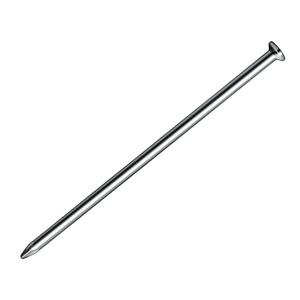
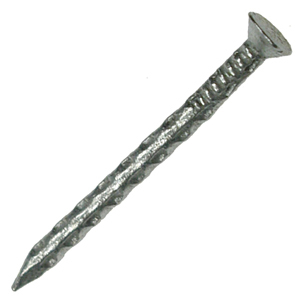
Nails & Pins
Nails and pins are the backbone of any construction and carpentry kit. Essential for securing timber, assembling frames, and fixing materials, these fasteners deliver strength and reliability on site. Whether you're framing a wall or hanging plasterboard, quality nails and pins keep everything in place without fuss.
What Are Nails & Pins Used For?
- Framing Securely fasten timber studs and joists, ensuring structural stability during build projects.
- Joinery Perfect for assembling furniture and cabinetry, providing a neat and unobtrusive finish.
- Fixing Boards Keep plasterboard, cladding, and panelling firmly attached with minimal effort.
- Roofing Essential for affixing shingles or tiles, ensuring durability and resistance to weather.
- General Repairs Handy for quick fixes around the site, from loose skirting boards to wobbly railings.
Who Uses Nails & Pins?
- Carpenters and joiners who need reliable fastening solutions for woodwork and cabinetry jobs.
- Builders securing structural elements during framing and construction phases.
- Roofers fixing shingles and tiles for weatherproofing and long-term durability.
- Maintenance teams handling on-the-spot repairs and installations across various site tasks.
Choosing the Right Nails & Pins
Selecting the right nails and pins depends on the materials you're working with and the job at hand. Here's what to consider:
1. Material Compatibility
Choose galvanised nails for exterior work where rust resistance is crucial. For interior tasks, standard steel nails will suffice.
2. Size and Length
Match nail length to the thickness of the materials. Longer nails provide better hold in thicker timber, while shorter pins are ideal for delicate trim work.
3. Head Type
For a flush finish, use countersunk or lost head nails. For tasks requiring easy removal, consider nails with a larger head.
Essential Accessories for Nails & Pins
Enhance your nailing tasks with these must-have accessories:
1. Nail Punches
Drive nails below the surface for a smooth finish, ideal for trim and moulding work.
2. Magnetic Wristbands
Keep nails and pins close at hand while working, reducing downtime and increasing efficiency.
Nails & Pins FAQs
What type of nails should I use for outdoor projects?
For outdoor projects, galvanised or stainless steel nails are recommended due to their corrosion resistance, ensuring longevity even in wet conditions.
How do I prevent wood from splitting when nailing?
To avoid splitting, use a nail slightly thinner than the wood grain and consider pre-drilling pilot holes, especially near edges.
Can pins be used for heavy-duty construction?
Pins are generally for lighter tasks like trim and moulding. For heavy-duty construction, opt for nails with sufficient length and thickness.