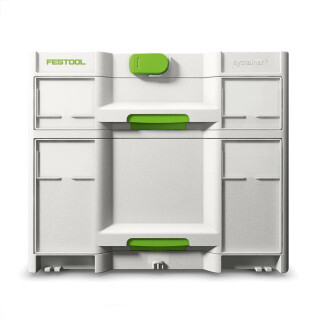
Festool Tool Boxes & Organisers
Festool tool boxes keep your kit stacked, locked in, and easy to grab on busy jobs, so you are not digging for bits when the clock is on.
When you are bouncing between first fix, snagging, and call-outs, proper Festool tool storage saves time and stops damage in the van. From Systainers to Festool organisers and Festool Sortainer options, you can build a setup that keeps consumables, blades, and fixings separated, labelled, and ready to move.
What Jobs Are Festool Tool Boxes Used For?
- Stacking and transporting power tools, rails, and accessories in one grab-and-go tower, so you can move from van to work area in fewer trips.
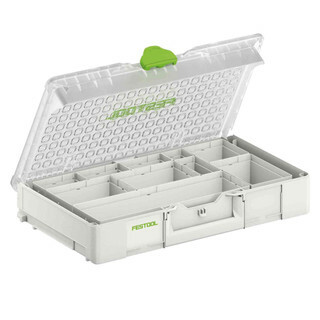
- Keeping screws, plugs, terminals, and small fixings sorted in Festool organisers, so you are not tipping a mixed tub out on a customer's floor.
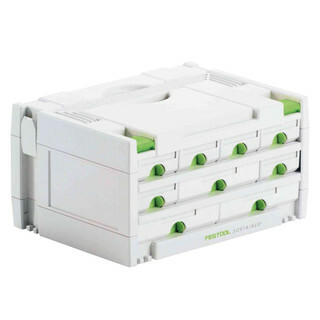
- Running refurbs and second fix with a Festool Sortainer, where drawers let you pull out consumables without unstacking everything on a landing.
- Protecting expensive kit in the van with rigid, latch-together Festool tool storage that stops cases sliding about and tools getting knocked out of square.
- Building a repeatable loadout for the team using Festool drawer boxes, so everyone knows where blades, sanding discs, and spares live.
Choosing the Right Festool Tool Boxes
Match the box to how you work day to day, because the wrong setup slows you down more than it helps.
1. Systainer vs Sortainer
If you are mainly carrying tools and want everything sealed up for transport, go Systainer style. If you are constantly in and out of consumables and fixings during the day, a Festool Sortainer with drawers saves you unstacking boxes every time you need a handful of screws.
2. Drawer boxes for mixed consumables
If your kit list includes lots of small items, Festool drawer boxes are the tidy option because you can separate by size or trade task. If you only need one organiser for a specific fixing type, do not overbuy drawers you will not fill.
3. Build a stack that matches the carry
If you are hauling kit up stairs or through occupied houses, keep the stack shorter and heavier items lower so it does not tip. If you are mostly rolling around on site, you can run a taller stack and keep the top box as the daily-use one.
Who Are Festool Tool Boxes For on Site?
- Chippies and kitchen fitters who want saw, rail, blades, and measuring kit protected and stacked so it rolls straight into the job.
- Joiners and shopfitters who need Festool organisers for fixings and ironmongery, because losing one specialist screw can stall a whole install.
- Decorators and finishers running sanding and prep kit, where keeping abrasives and pads dry, clean, and separated actually affects the finish.
- Maintenance teams who live out the van and need a consistent Festool tool storage setup, so call-outs are faster and nothing gets left behind.
The Basics: Understanding Festool Tool Storage
Festool tool boxes are built as a modular system, so you can lock cases together and move a full loadout as one, instead of juggling loose cases and tubs.
1. Stacking and latching (the whole point)
Systainer-style boxes clip into a stack so they travel as one unit in the van and on site. That stops cases sliding about, and it means your tools arrive in the same condition you packed them.
2. Drawers vs lift-off lids
Festool organisers and Sortainer drawers are for the bits you need mid-task, because you can access contents without stripping the stack down. Lift-off lid boxes are better for larger tools and keeping dust out during transport.
Accessories That Make Festool Tool Storage Work Harder
A couple of add-ons turn a stack of boxes into a proper day-to-day system that moves and stores cleanly.
1. Foam inserts and dividers
These stop tools and accessories rattling about, which is what chips batteries, cracks plastics, and ruins edges in the van. Set them up once and you will spot missing kit instantly at pack-down.
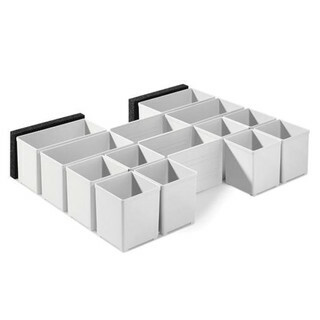
2. Extra organiser bins
Spare bins let you split fixings by size and job, so you are not mixing stainless, brass, and zinc in the same compartment and wasting time picking through it on the floor.
3. Trolley or wheeled base
If you are regularly parking up and trekking across site, wheels save your back and stop stacks getting dropped on kerbs and stairs. It is the difference between one trip and three.
Why Shop for Festool Tool Boxes at ITS?
Whether you need a single replacement box, a Festool Sortainer for fixings, or a full Festool tool storage stack with organisers and drawer boxes, you can build it here from the range. We hold stock in our own warehouse, ready for next day delivery, so you can get sorted without waiting around.
Festool Tool Boxes FAQs
What is the difference between a Festool Systainer and a Sortainer?
A Systainer is a lidded tool box style case, so you open it from the top and it is best for carrying tools and keeping dust out in the van. A Festool Sortainer is drawer-based, so you can pull out fixings and consumables without unstacking other boxes, which is why they suit second fix and day-to-day snagging.
How do you attach a Festool tool box to a dust extractor?
Use the extractor's top docking or latch system and clip the tool box into place so it locks down and will not slide off when you drag the vac around. Do a quick tug check before you move, because if it is not properly latched it will shift the first time you catch a hose on a doorway.
Are Festool organisers actually worth it over a cheap mixed tub?
Yes, if you are on the tools every day and you care about not losing time. The whole point is keeping fixings separated and protected, so you are not tipping everything out, contaminating it with dust, or turning up with half a box of the wrong screws.
Will a stack of Festool tool boxes survive van life?
They are built for it, but do not expect miracles if you let the stack slide around. Lock the boxes together, keep heavier cases at the bottom, and strap the stack in if you are doing long runs, because most damage comes from movement and impacts, not normal carrying.
Can you access a Sortainer drawer when boxes are stacked on top?
That is the main reason people buy them, because the drawers are designed to be usable in a stack. It still pays to plan the stack so the drawer unit sits where you can reach it, not buried at the bottom behind a tight doorway.