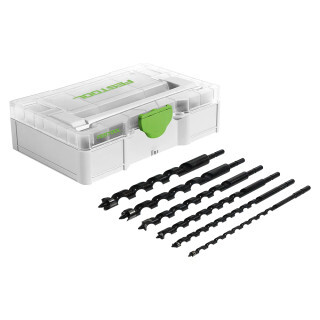
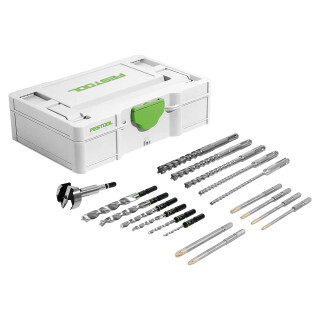
Festool Systainer Drill Bits
Switching between timber, steel and brickwork? Festool Systainer drill bits keep the right cutters organised between jobs.
A Festool Systainer drill bit set helps joiners and fitters keep sizes together rather than loose in the van. Check the included bits, shank fittings and material suitability before choosing your set.
What Are Festool Systainer Drill Bits Used For?
- Drill fixing holes in timber during cabinet installation and second-fix joinery, choosing wood bits for clean starts and controlled positioning.
- Prepare holes in steel brackets and metal fittings with suitable HSS bits, using the correct speed and cutting lubricant where required.
- Drill plug holes in suitable brickwork with masonry-rated bits, checking the bit manufacturer's instructions before selecting hammer mode.
- Keep drill sizes organised during kitchen and commercial fit-outs, making missing bits easier to spot before packing up.
Choosing the Right Festool Systainer Drill Bits
Buy for the materials and hole sizes you actually drill, then check the shank fits your drill or tool holder.
1. Match the Bit to the Material
If you're drilling timber, choose wood bits suited to the finish you need. For steel, use suitable HSS bits. For brickwork, choose masonry-rated bits. Don't assume a mixed set covers concrete, hardened steel or tiles without checking its stated applications.
2. Check Chuck and Holder Compatibility
If you use a standard three-jaw chuck, check its capacity against the bit shank. For a Festool CENTROTEC holder, choose explicitly compatible accessories; an ordinary hex shank is not automatically a CENTROTEC fitting.
3. Check Diameters and Working Lengths
For repeated fixing work, make sure your usual diameters are included. If you need to drill through thick timber or deep into masonry, check usable drilling depth rather than relying on the bit's overall length.
4. Check the Supplied Storage
If the set needs to join your existing stack, check the supplied Systainer format and connection compatibility. Read the contents list carefully: the case size does not tell you how many drill bits are inside.
Who Uses Festool Systainer Drill Bits?
Joiners and kitchen fitters use organised bit sets when drilling timber components and fixing cabinets. Maintenance teams benefit from keeping material-specific bits together for repairs across several rooms or buildings. For trades already using Systainer storage, a compatible case keeps drilling accessories with the rest of their kit.
The Basics: Understanding Drill Bit Types
The case organises the kit; the cutting tip determines what you can drill. These differences matter more than the number of pieces in the set.
1. Wood Bits Locate the Hole
Brad-point wood bits use a centre point to locate the hole and outer cutting edges to cut the perimeter. That helps when drilling accurately positioned holes in timber, although backing the work is still important for reducing breakout.
2. HSS Bits Cut Metal
HSS means high-speed steel. These bits cut metal with sharpened edges and normally run without hammer action. Match speed, feed and lubrication to the metal and bit diameter to avoid overheating the cutting edge.
3. Masonry Bits Need the Right Drilling Action
Masonry bits generally use carbide tips to work through mineral materials. Whether to use rotary-only or hammer drilling depends on the bit and substrate; fragile or hollow masonry needs particular care.
Accessories to Keep Your Drilling Kit Working
The right supporting kit prevents fitting problems and helps protect cutting edges.
1. Compatible Chucks and Tool Holders
Check the holder before ordering specialist shanks. A compatible chuck or CENTROTEC holder avoids arriving with bits that cannot be secured correctly in your drill.
2. Metal-Cutting Lubricant
For metals that require lubrication, suitable cutting oil or paste helps control heat and wear. Match it to the material and drilling instructions rather than running the bit dry until the edge fails.
3. Replacement Bits in Regular Sizes
Keep spares of the diameters you use for repeated fixings. One snapped or blunt bit should not leave an otherwise complete set unable to finish the job.
Choose the Right Festool Systainer Drill Bits for the Job
Start with the workpiece, then check fitting and drilling depth.
| Your Job | Drill Bit Type | Key Features |
|---|---|---|
| Accurate holes in timber components | Wood drill bits | Locating point, suitable diameter and sufficient working length. |
| Drilling steel brackets and fittings | HSS metal drill bits | Suitability for the metal grade, correct speed and lubrication requirements. |
| Plug holes in brickwork | Masonry drill bits | Correct fixing diameter and approval for the substrate and drilling mode. |
| Mixed maintenance and installation work | Mixed-material set | Clearly identified bit types, useful size coverage and compatible shanks. |
Common Buying and Usage Mistakes
- Buying by piece count alone can leave you short of the diameter you actually need. Check every included size and distinguish drill bits from screwdriver bits and holders.
- Assuming every Festool drill bit fits every Festool holder can stop the job before it starts. Check the shank system and chuck capacity separately.
- Leaving hammer mode engaged when switching to wood or HSS bits can damage the cutting edges and spoil the hole. Reset the drilling mode before starting.
- Forcing a blunt bit creates heat and poor holes. Inspect the cutting edge and replace or professionally sharpen suitable bits rather than adding more pressure.
Wood Drill Bits vs HSS Drill Bits vs Masonry Drill Bits
Wood Drill Bits
Choose wood-specific bits for accurately located holes in timber. Brad-point designs help control the start, but they are not a substitute for metal or masonry bits when the material changes.
HSS Drill Bits
Choose suitable HSS bits for metalwork. They can also drill timber, but standard twist designs do not locate as positively as brad-point bits. Difficult alloys may need a more specialised cutting specification.
Masonry Drill Bits
Choose masonry bits for suitable brick, block and mineral substrates. Check concrete suitability explicitly; demanding concrete drilling may call for an SDS-plus rotary hammer and matching bits rather than a conventional chuck-mounted set.
Maintenance and Care
Clear the Flutes
Let bits cool, then brush away swarf, timber fibres and masonry dust before returning them to their slots. Wear suitable gloves when handling sharp swarf.
Store Dry
Dry bits before closing the case. Damp dust and trapped moisture encourage corrosion; use a suitable light protective oil on bare steel where recommended.
Inspect Tips and Shanks
Check for chipped tips, bent shanks and damaged cutting edges. Replace cracked or bent bits rather than trying to straighten them for another hole.
Keep the Case Organised
Return each bit to its correct position and clear debris from the insert and catches. Check the contents before leaving site so missing sizes can be replaced before the next job.
Why Shop for Festool Systainer Drill Bits at ITS?
ITS stocks the full Festool Systainer drill bit range, with set options for different materials, sizes and drilling tasks. It's held in our own warehouse, in stock and ready for next-day delivery. Check the individual contents and live availability before ordering the kit your next job needs.
Festool Systainer Drill Bits FAQs
What drill bits do I need for masonry?
Use masonry-rated bits suited to the brick, block, stone or concrete you are drilling. Match the diameter and depth to the fixing instructions. For repeated concrete drilling, an SDS-plus rotary hammer with compatible bits is usually more appropriate than a standard drill. Check whether the substrate and bit permit hammer action.
What is the difference between HSS and masonry drill bits?
HSS bits have sharpened cutting edges intended primarily for metal and operate without hammer action. Masonry bits generally have carbide tips designed for mineral materials. They are not interchangeable: using an HSS bit in brickwork will quickly damage its edge.
Are Festool drill bits any good?
They are worth considering if the specified materials, sizes and fittings match your work, particularly when compatible Systainer storage suits your existing kit. The brand does not make one bit suitable for every substrate. Check the cutting specification and replacement cost of your most-used sizes before buying a complete set.
Where are Festool tools made?
Festool manufactures many of its power tools in Germany, but that does not establish the origin of every accessory. Drill bits and storage components can have different manufacturing origins. If country of manufacture matters to your purchase, check the specific product or its packaging rather than assuming the whole set is German-made.
Do Festool tools come with a warranty?
Festool power tools have warranty cover, and eligible tools can receive additional cover through registration under the applicable terms. Do not assume a drill bit set receives the same cover as a power tool: drill bits are consumable accessories, and normal wear is not a manufacturing fault. Check the terms for the exact item before buying.