Festool Sanders
Festool sander choice is about finish and dust control on real jobs, not guesswork. Pick the right pad size and stroke and you will fly through prep.
When you are flattening filler, keying paint, or finishing timber for a handover, a Festool sander earns its keep by cutting clean and keeping the mess down. From a Festool orbital sander for day-to-day prep to a Festool detail sander for tight corners, or a Festool wall sander for big ceilings, choose the sanding machine that matches the surface and the hours you will put on it.
What Are Festool Sanders Used For?
- Prepping doors, skirting, and architrave for paint or lacquer with a Festool random orbital sander that leaves a clean scratch pattern without swirl marks.
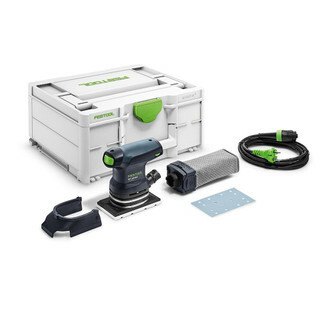
- Flattening filler and blending plaster repairs on refurbs using a Festool orbital sander 240v setup when you are on continuous power all day.
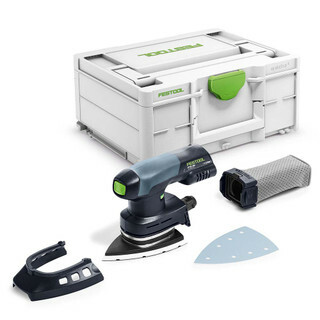
- Sanding right into corners, beads, and awkward profiles with a Festool detail sander where a round pad just cannot reach without chewing edges.
- Knocking down large areas of plasterboard and ceilings with a Festool wall sander to get a straight, even finish before mist coat and snagging.
- Keeping occupied homes and finished rooms cleaner by pairing a Festool dustless sander style setup with proper extraction so you are not sweeping dust for an hour after.
Choosing the Right Festool Sander
Sort the right one by surface area and finish level first, then worry about the extras.
1. Random orbital vs orbital (finish vs speed)
If you want the safest all-rounder for timber and painted surfaces, go Festool random orbital sander because it is more forgiving and less likely to leave tracking. If you are flattening and keying large, flat areas fast, a Festool orbital sander can shift material quickly, but it will show poor technique sooner.
2. Pad size and where you are working
If you are on doors, panels, and worktops all week, a larger pad covers ground and keeps the finish even. If you are on frames, edges, and tight spots, a smaller pad or a Festool detail sander stops you tipping the machine and burning through corners.
3. 240V and shift length
If you are in a workshop or you sand for hours at a time, a Festool sander 240v setup keeps you running without battery swaps and is easy to manage with extraction. If you are hopping room to room on snagging, cordless can be handy, but only if you have enough batteries to stay productive.
4. Dust control is not optional on finished jobs
If you are working in occupied houses or finished commercial areas, prioritise a Festool dustless sander style setup with proper extraction and the right abrasives, because it saves time on clean-up and avoids grief with clients and other trades.
Who Are These For on Site?
- Joiners and kitchen fitters who need a Festool palm sander or orbital for de-nibbing between coats and getting edges right without rounding everything off.
- Decorators doing prep properly, because a consistent finish off the sander is what stops picture framing and flashing once the paint goes on.
- Shopfitters and maintenance teams who want a sander Festool setup that controls dust in live environments and keeps the job moving.
- Dryliners and plasterers reaching for a Festool wall sander when the area is too big for hand sanding and the standard needs to be straight for handover.
The Basics: Understanding Festool Sanders
Most of the choice comes down to the sanding action and how it behaves on the surface. Get this bit right and the finish takes care of itself.
1. Orbital vs random orbital
A Festool orbital sander moves in a fixed pattern, which can cut fast on flat prep work but can leave visible marks if you rush grits or lean on it. A Festool random orbital sander adds rotation to break up the pattern, which is why it is the safer pick for fine finishing and between-coat work.
2. Stroke and grit choice
Bigger stroke and coarser grits are for flattening filler and stripping back, not for final finish. For paint and lacquer prep, step through grits properly and let the machine do the work, because pressing harder just clogs paper and leaves pigtails.
3. Dust extraction and abrasive fit
A Festool sanding machine works best when the holes line up and the extraction is doing its job, because the abrasive stays cutting instead of skating on dust. That is the difference between quick, clean prep and constantly changing discs.
Festool Sander Accessories That Keep You Moving
The right add-ons stop rework, keep dust down, and make the machine behave properly on different surfaces.
1. Sanding discs and sheets in the grits you actually use
Keep a proper spread of grits on the van, because jumping from coarse to fine is how you end up chasing scratches under paint. Fresh abrasives also cut cooler and clog less, so you are not burning edges or polishing dust into the surface.
2. Interface pads and backing pads
An interface pad helps on curved work and stops you digging in on edges, and a spare backing pad is a lifesaver when the hook and loop starts slipping mid-job. It is a small part that can ruin a finish if you ignore it.
3. Dust extraction hoses and adaptors
If the hose is fighting you or the adaptor is loose, you will sand one-handed and lose control. Get the right connection so the Festool dustless sander setup stays sealed and you are not dragging dust through a finished room.
Shop Festool Sanders at ITS
Whether you need a Festool orbital sander for daily prep, a Festool detail sander for tight work, or a Festool wall sander for big areas, we stock the full Festool sanders range in the key types and sizes. It is all held in our own warehouse and ready for next day delivery, so you can get the right Festool sander on site without waiting around.
Festool Sander FAQs
Are Festool sanders worth the high price?
Yes, if you are sanding regularly and you care about finish and dust control. They are built for long shifts, they run smoothly, and with proper extraction they keep the job cleaner, which saves time on rework and clean-up. If you only sand occasionally, you might not see the payback.
What is the best all round Festool sander?
For most trades, a Festool random orbital sander is the best all-rounder because it is forgiving on timber, fillers, and painted surfaces and it is easier to get a clean finish without visible patterns. Match the pad size to the work you do most, and do not skimp on abrasives.
What is the price range for Festool sanders?
It varies by type and size, from smaller palm and detail sanders through to larger machines like a Festool wall sander, plus whether you are buying 240V or cordless kits. Expect to pay more for bigger pads, specialist applications, and better dust control features.
Is a Festool sander 240v the better choice than cordless?
If you are sanding for hours or working alongside extraction in a workshop or on a big refurb, 240V is straightforward and you will not be juggling batteries. Cordless is handy for quick snagging and moving room to room, but only if you have enough battery capacity to avoid downtime.
Can I really run a Festool dustless sander setup without making a mess?
You can keep it very clean, but only if the extraction is correctly matched and the abrasive holes line up with the pad. It is not magic, you still need good housekeeping, but it massively cuts airborne dust compared to sanding without extraction.