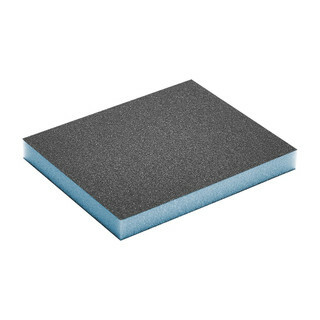
Festool Sanding and Finishing Tools
Festool sanding finishing tools are built for the last stage of the job, when rough prep is done and the finish needs to be dead right first time.
When you're flattening filler, keying paint, knocking back edges or cleaning up between coats, this is the kit that saves rework. Festool hand sanding tools and Festool finishing accessories are made for decorators, chippies and snagging teams who need control, clean scratch patterns and pads that actually match the abrasives. If you already use Festool Hand Tools, this part of the range is well worth keeping close by.
What Are Festool Sanding Finishing Tools Used For?
- Flattening filler, jointing compound and local repairs before paint goes on, where a Festool hand sander gives you better feel than a machine on small patches.
- Keying painted woodwork, doors and trim between coats so the next layer grabs properly without gouging the surface or leaving a messy scratch pattern.
- Cleaning up awkward edges, corners and detailed sections on fitted furniture, stair parts and joinery where powered sanders are too bulky or aggressive.
- Snagging plaster, paint and timber finishes at the end of a job, when you only need to take the high spots off and keep the area tidy.
- Working with matching abrasives and backing pads for consistent finishing on site, especially when paired with Festool Sanding Pads and Sheets.
Choosing the Right Festool Sanding Finishing Tools
Sorting the right one is simple. Match the pad shape and abrasive style to the surface in front of you, not the bit of kit already in the van.
1. Block Shape and Access
If you are working broad flat filler patches or door faces, use a larger Festool sanding block that stays flat and keeps the finish even. If you are chasing corners, mouldings or narrow edges, go smaller so you are not rounding everything over.
2. Abrasive Fit Matters
Do not guess on sheet size. If the block and abrasive are made to work together, you get full contact, cleaner cutting and less waste. That is where proper Festool finishing accessories earn their keep, especially on repeat snagging and decorating work.
3. Hand Sanding or Machine Sanding
If it is a full room, a bank of doors or long prep days, step up to Festool Sanders. If it is edge work, detail finishing or quick repairs after the main sanding is done, Festool hand sanding tools are usually quicker and safer.
4. Buy for the Finish Stage
If you are still knocking material back hard, buy for stock removal. If the surface is already close and you just need it paint ready or stain ready, choose the Festool sanding tools range built for finishing control rather than aggression.
Who Uses These on Site?
- Decorators use Festool sanding finishing tools for rubbing down between coats, flattening filled areas and sorting snags without marking the job they have just finished.
- Chippies and joiners keep Festool hand sanding tools nearby for trimming back edges, easing solid timber and cleaning up fitted work before oil, lacquer or paint.
- Kitchen fitters and installers rely on them for detailed finishing on scribes, end panels and tight returns where a powered sander can be too much.
- Maintenance teams and snagging crews swear by this kit for quick repair work because it is faster to grab a sanding block than set up a machine for a five minute touch-up.
The Basics: Understanding Festool Sanding Finishing Tools
Hand sanding is about control. You are not trying to remove loads of material. You are trying to keep the surface flat, reach the awkward bits and leave a finish that is ready for the next stage.
1. Flat Backing Keeps Surfaces True
A proper sanding block spreads pressure across the abrasive, which helps stop finger marks, low spots and rounded edges. That matters when you are finishing filler, timber faces or painted trim.
2. Smaller Tools Give Better Feel
A Festool hand sander lets you feel high spots and edges as you work, so you take off just what is needed instead of overdoing it. That is why hand tools still matter even when the power sanders have gone away.
3. Matching Accessories Keep the Finish Consistent
When the abrasive, pad and block all fit properly, the scratch pattern stays even and the sheet stays put. If you need the extras that support that, look at Festool Other Sanding Accessories.
Festool Finishing Accessories That Save Time on Site
The right add-ons stop wasted sheets, patchy finishes and extra trips back to the van.
1. Sanding Pads and Sheets
Get the right grit and format for the block or hand pad you are using. It saves you trimming sheets by hand, fighting poor fit and ending up with uneven pressure across the surface.
2. Replacement Backing Pads
Once the backing is worn or clogged, the finish suffers straight away. Fresh pads keep the abrasive seated properly and stop you chasing a clean finish with tired gear.
3. Hand Sanding Sets
A proper Festool sanding tool set keeps the main shapes together so you are not making do with one block for every surface. It is the easiest way to cover flat faces, edges and detail work in one go.
Choose the Right Festool Sanding Finishing Tools for the Job
Use this quick guide to sort the right hand sanding kit for the surface and finish stage.
| Your Job | Category or Type | Key Features |
|---|---|---|
| Flattening filler and local repairs | Festool sanding blocks | Flat backing, even pressure, good control on patch repairs and prep work |
| Rubbing down doors, trim and painted woodwork | Festool hand sanding tools | Comfortable grip, quick sheet changes, cleaner finish between coats |
| Edges, corners and detailed joinery | Compact hand sander | Better access, less chance of rounding edges, easier control in tight spots |
| Keeping finishes consistent across repeat jobs | Festool finishing accessories | Matching abrasives and pads, less waste, reliable fit and scratch pattern |
| Full room prep or larger surface sanding | Power sanders | Faster coverage, less labour, best for bigger areas before hand finishing |
Common Buying and Usage Mistakes
- Buying one sanding block for every job usually ends in rounded edges and missed detail. Keep a couple of shapes handy so flat panels and awkward corners both get the right tool.
- Using the wrong abrasive size or type wastes sheets and gives patchy contact. Match the block to the sheet properly so the whole face works as it should.
- Pressing too hard is a common one, especially on filler and painted timber. Let the abrasive do the cutting or you will clog the sheet faster and leave deeper marks to sort out later.
- Trying to do large prep jobs by hand alone slows the whole day down. For bigger surfaces, get the machine sanding done first and keep the hand tools for edges, snags and final finishing.
- Running worn backing pads and tired abrasives too long gives you poor results and more labour. Replace them before the finish goes off, not after you have marked the work.
Hand Sanding Blocks vs Hand Sanders vs Power Sanders
Festool Sanding Blocks
Best for flat patches, filler work and simple prep where you need to keep the surface true. They are cheap to run and easy to control, but slower on bigger areas and less flexible in tight detail.
Festool Hand Sanders
A Festool hand sander gives you better grip and better access for trim, edges and awkward joinery. It is the right choice for finishing control, but it is still hand work, so do not expect machine speed.
Festool Power Sanders
These are what you want for room prep, boards, doors and repeat sanding across larger surfaces. Fast and efficient, but too much for delicate snagging or tiny areas where hand finishing is safer.
Maintenance and Care
Brush Dust Off After Use
Do not leave filler dust and paint residue ground into the block or pad. A quick clean after each job keeps the surface flat and stops old debris scratching the next finish.
Store Abrasives Flat and Dry
Sheets that get bent, damp or crushed in the van are no good when you need a clean finish. Keep them dry and stacked properly so they still sit flat on the tool.
Replace Worn Backing Surfaces
If the hook and loop or contact face is worn, the abrasive will shift and the finish will suffer. Change the worn part early rather than fighting it through the job.
Keep Separate Grits Separate
Do not throw coarse and fine sheets into one dusty box. Cross contamination leaves random scratches and can ruin the final coat prep on timber, filler or paintwork.
Why Shop for Festool Sanding Finishing Tools at ITS?
Whether you need a single sanding block, a Festool hand sander, matching abrasives or a full finishing setup, we stock the proper range in one place. You can shop Festool Hand Sanders and the wider Festool sanding tools range with confidence, knowing it is all in our own warehouse, in stock and ready for next day delivery.
Festool Sanding and Finishing Tools FAQs
What sanding and finishing hand tools does Festool make?
Festool makes hand sanding tools and finishing accessories aimed at prep, detail sanding and final surface work. That includes sanding blocks, hand sanding pads and related accessories designed to work with Festool abrasives for cleaner, more controlled finishing.
Are Festool hand sanding tools suitable for professional finishing?
Yes. They are built for proper trade finishing where you need flat contact, predictable scratch patterns and decent control on edges, filler and painted surfaces. They are not just for touch ups at home. They suit decorators, joiners and fitters doing paid work where the finish actually matters.
What is included in the Festool sanding and finishing tools range?
The range covers Festool sanding blocks, hand sanding tools, finishing accessories and supporting items for matched abrasive use. Some buyers just need a single hand block, while others build out a fuller kit with pads, sheets and detail sanding pieces for different surfaces.
Are Festool sanding blocks compatible with Festool abrasives?
Yes, that is one of the main reasons trades buy into the system. Festool sanding blocks are designed to work with matching Festool abrasives, which helps with fit, grip and even sanding across the whole face instead of just the middle or corners.
Should I buy hand sanding tools or go straight to a power sander?
If you are prepping full walls, doors or larger panels, go power first and save your arms. If you are doing detail work, snagging, edge cleanup or sanding between coats, hand sanding is still the better tool. Most trades need both, just for different stages of the job.
Do these tools hold up to day to day site use?
Yes, as long as you use them for the job they are made for. They will handle regular van and site use fine, but like any finishing kit, if you clog them with filler dust, crush them under heavier tools or keep using worn pads, the finish will suffer before the tool actually breaks.