




Festool 12V Festool 12V

Festool 12V

Festool CXS 12 drills are for tight, tidy fixing work where a big combi just gets in the way, but you still need proper control and torque.

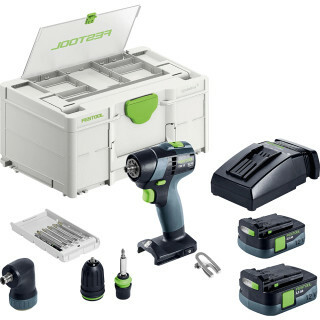
When you're hanging units, running hinges, fitting ironmongery, or doing second-fix all day, the Festool CXS 12 and Festool TXS 12 give you a compact Festool 12V drill that won't batter your wrist or chew screws. Pick your chuck setup and bit storage, then get the Festool 12v you'll actually keep on your belt.

What Jobs Are Festool CXS 12 Drills Best At?

  • Driving screws for kitchen and bedroom fit-outs where you're in and out of cabinets all day and need a Festool 12V drill that doesn't snag or feel top-heavy.
  • Drilling clean pilot holes and clearance holes in timber and sheet materials when you want controlled speed so you do not split edges or strip out fixings.
  • Second-fix carpentry like hinges, locks, handles, and architrave where the compact Festool CXS 12v shape gets into corners a larger combi drill will not.
  • Electrical and plumbing fixing work on studs and boards where you're constantly swapping between drilling and driving and want a small drill that stays accurate one-handed.
  • Snagging and maintenance jobs where you need a light drill on the van for quick fixes without dragging out an 18V kit for two screws and a bracket.

Choosing the Right Festool CXS 12

Sorting the right Festool 12V drill is simple: buy it for fixing and fitting work first, then decide how much drilling you genuinely do.

1. CXS 12 vs TXS 12 (Handle Style)

If you want a drill that sits naturally in the hand for long screw runs and feels familiar like a small combi, go Festool CXS 12. If you're always working inside cabinets, tight corners, and awkward angles, the Festool TXS 12 style is often easier to poke in and keep square.

2. Drilling vs Driving Priority

If most of your day is pilot holes and screws, a Festool CXS 12v makes sense because it is light and controlled. If you're regularly drilling larger holes or working into tougher materials, step up to an 18V combi for that part of the job and keep the 12V for the finishing work.

3. Battery Capacity for Real Shifts

If it's occasional fitting and snagging, smaller batteries are fine and keep the tool nimble. If you're on site every day doing kitchens, doors, and hardware, carry a spare battery so you are not waiting around mid-run when you're on a deadline.

Who Uses Festool CXS 12 and TXS 12 Drills?

  • Kitchen fitters and joiners who live on second-fix and want a Festool CXS12 that stays compact inside units and still drives fixings cleanly.
  • Chippies and shopfitters doing hinges, ironmongery, and cabinet work where the Festool TXS 12 is easier to control than a full-size combi.
  • Sparks and plumbers doing bracketry and first-fix boards who keep a Festool 12v drill in the bag for fast pilot holes and neat screw runs.
  • Maintenance teams and site supervisors who need a reliable small drill for snagging, adjustments, and quick repairs without overkill.

Festool CXS 12 Accessories That Make Site Life Easier

The drill is only half the story on fitting work, because the right add-ons stop constant bit changes and keep holes tidy.

1. Spare 12V Batteries

A second battery stops the classic problem of the drill dying halfway through a run of hinges or cabinet screws, especially when you're bouncing room to room and cannot babysit a charger.

2. Quality Drill and Driver Bit Sets

A proper bit set saves chewed screw heads and snapped tips when you're driving into MDF, chipboard, and ironmongery all day, and it keeps the right sizes to hand for pilot holes and fixings.

3. Countersink Bits

A countersink is the difference between a clean, flush finish and a rough edge that needs filling, especially on second-fix timber where the client will see every screw.

Shop Festool CXS 12 at ITS

Whether you're choosing a Festool CXS 12, a Festool TXS 12, or picking the right batteries and set options, we stock the range so you can match the drill to the work you actually do. It's all held in our own warehouse, in stock and ready for next day delivery to keep your job moving.

Festool CXS 12 FAQs

Is a 12V drill enough for wood?

Yes, for the work a Festool CXS 12 is aimed at, it is plenty. Pilot holes, clearance holes, and driving screws into softwood, hardwood trims, ply, MDF, and chipboard are exactly where a 12V drill earns its keep, because it is easier to control and less likely to overdrive fixings.

Is a 12 volt drill any good?

It is good when you buy it for the right jobs. A Festool 12v drill is built for fitting and fixing, tight access, and accurate screwdriving, not for heavy masonry drilling or big hole saw work. For second-fix and install work, you will often reach for it more than your bigger drill.

Which is better, a 12V or 18V drill?

Neither is "better" across the board, they are for different days. Go 12V, like the Festool CXS 12v, when you want light weight, tight access, and clean control for fitting. Go 18V when you need more power for larger drill bits, tougher materials, and all-day drilling where you would cook a smaller tool.

Can a 12V cordless drill go through concrete?

Not properly, no, and it is the wrong tool for it. You might scratch a small hole in soft block with the right bit, but for concrete and brick you want an SDS drill or at least a combi with hammer action that is designed for masonry work. Keep the Festool CXS 12 for timber, boards, and fixings where it is at its best.

What is the real difference between Festool CXS 12 and Festool TXS 12?

The big difference is how they sit in the hand and how easily they get into corners. If you do lots of cabinet work and awkward angles, the TXS 12 style can be easier to keep straight in tight spaces. If you prefer a more traditional drill feel for long screw runs, the Festool CXS 12 is usually the natural pick.

Read more

Festool 12V

Festool CXS 12 drills are for tight, tidy fixing work where a big combi just gets in the way, but you still need proper control and torque.

When you're hanging units, running hinges, fitting ironmongery, or doing second-fix all day, the Festool CXS 12 and Festool TXS 12 give you a compact Festool 12V drill that won't batter your wrist or chew screws. Pick your chuck setup and bit storage, then get the Festool 12v you'll actually keep on your belt.

What Jobs Are Festool CXS 12 Drills Best At?

  • Driving screws for kitchen and bedroom fit-outs where you're in and out of cabinets all day and need a Festool 12V drill that doesn't snag or feel top-heavy.
  • Drilling clean pilot holes and clearance holes in timber and sheet materials when you want controlled speed so you do not split edges or strip out fixings.
  • Second-fix carpentry like hinges, locks, handles, and architrave where the compact Festool CXS 12v shape gets into corners a larger combi drill will not.
  • Electrical and plumbing fixing work on studs and boards where you're constantly swapping between drilling and driving and want a small drill that stays accurate one-handed.
  • Snagging and maintenance jobs where you need a light drill on the van for quick fixes without dragging out an 18V kit for two screws and a bracket.

Choosing the Right Festool CXS 12

Sorting the right Festool 12V drill is simple: buy it for fixing and fitting work first, then decide how much drilling you genuinely do.

1. CXS 12 vs TXS 12 (Handle Style)

If you want a drill that sits naturally in the hand for long screw runs and feels familiar like a small combi, go Festool CXS 12. If you're always working inside cabinets, tight corners, and awkward angles, the Festool TXS 12 style is often easier to poke in and keep square.

2. Drilling vs Driving Priority

If most of your day is pilot holes and screws, a Festool CXS 12v makes sense because it is light and controlled. If you're regularly drilling larger holes or working into tougher materials, step up to an 18V combi for that part of the job and keep the 12V for the finishing work.

3. Battery Capacity for Real Shifts

If it's occasional fitting and snagging, smaller batteries are fine and keep the tool nimble. If you're on site every day doing kitchens, doors, and hardware, carry a spare battery so you are not waiting around mid-run when you're on a deadline.

Who Uses Festool CXS 12 and TXS 12 Drills?

  • Kitchen fitters and joiners who live on second-fix and want a Festool CXS12 that stays compact inside units and still drives fixings cleanly.
  • Chippies and shopfitters doing hinges, ironmongery, and cabinet work where the Festool TXS 12 is easier to control than a full-size combi.
  • Sparks and plumbers doing bracketry and first-fix boards who keep a Festool 12v drill in the bag for fast pilot holes and neat screw runs.
  • Maintenance teams and site supervisors who need a reliable small drill for snagging, adjustments, and quick repairs without overkill.

Festool CXS 12 Accessories That Make Site Life Easier

The drill is only half the story on fitting work, because the right add-ons stop constant bit changes and keep holes tidy.

1. Spare 12V Batteries

A second battery stops the classic problem of the drill dying halfway through a run of hinges or cabinet screws, especially when you're bouncing room to room and cannot babysit a charger.

2. Quality Drill and Driver Bit Sets

A proper bit set saves chewed screw heads and snapped tips when you're driving into MDF, chipboard, and ironmongery all day, and it keeps the right sizes to hand for pilot holes and fixings.

3. Countersink Bits

A countersink is the difference between a clean, flush finish and a rough edge that needs filling, especially on second-fix timber where the client will see every screw.

Shop Festool CXS 12 at ITS

Whether you're choosing a Festool CXS 12, a Festool TXS 12, or picking the right batteries and set options, we stock the range so you can match the drill to the work you actually do. It's all held in our own warehouse, in stock and ready for next day delivery to keep your job moving.

Festool CXS 12 FAQs

Is a 12V drill enough for wood?

Yes, for the work a Festool CXS 12 is aimed at, it is plenty. Pilot holes, clearance holes, and driving screws into softwood, hardwood trims, ply, MDF, and chipboard are exactly where a 12V drill earns its keep, because it is easier to control and less likely to overdrive fixings.

Is a 12 volt drill any good?

It is good when you buy it for the right jobs. A Festool 12v drill is built for fitting and fixing, tight access, and accurate screwdriving, not for heavy masonry drilling or big hole saw work. For second-fix and install work, you will often reach for it more than your bigger drill.

Which is better, a 12V or 18V drill?

Neither is "better" across the board, they are for different days. Go 12V, like the Festool CXS 12v, when you want light weight, tight access, and clean control for fitting. Go 18V when you need more power for larger drill bits, tougher materials, and all-day drilling where you would cook a smaller tool.

Can a 12V cordless drill go through concrete?

Not properly, no, and it is the wrong tool for it. You might scratch a small hole in soft block with the right bit, but for concrete and brick you want an SDS drill or at least a combi with hammer action that is designed for masonry work. Keep the Festool CXS 12 for timber, boards, and fixings where it is at its best.

What is the real difference between Festool CXS 12 and Festool TXS 12?

The big difference is how they sit in the hand and how easily they get into corners. If you do lots of cabinet work and awkward angles, the TXS 12 style can be easier to keep straight in tight spaces. If you prefer a more traditional drill feel for long screw runs, the Festool CXS 12 is usually the natural pick.

ITS Click and Collect Icon
What3Words:
Store Opening Hours
Opening times