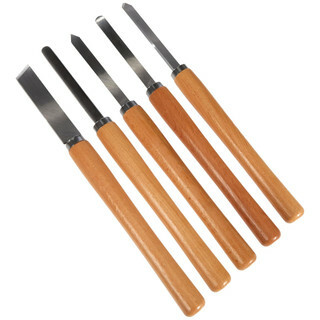
Einhell Wood Chisels
Einhell wood chisels are for clean paring, trimming joints, and chopping out timber without battered edges or handles that give up too soon.
If you're squaring hinges, cleaning housings, or pairing back proud timber, a decent chisel saves time and keeps the finish tidy. Einhell woodworking chisels suit bench work, site snagging, and first fix adjustments where you need control, a proper edge, and handles that can take sensible mallet use. If you need a matched Einhell wood chisel sets option, this is where to start.
What Are Einhell Wood Chisels Used For?
- Cleaning out hinge recesses on door linings and frames is where an Einhell bevel edge chisel earns its keep, especially when a router has left corners that still need squaring by hand.
- Paring back tenons, trimming plugs, and shaving proud edges lets joiners and chippies get a neater fit without tearing up finished timber or laminate-faced boards.
- Chopping small housings, notches, and shallow mortices in softwood and hardwood is easier when you have an Einhell carpenters chisel that holds a straight line under a light mallet.
- Snagging kitchen fits, stair parts, skirting, and architrave on site is quicker with an Einhell chisel set in the bag for those last little adjustments power tools cannot do cleanly.
Choosing the Right Einhell Wood Chisels
Sorting the right one is simple. Match the blade width to the work, not to what happens to be cheapest.
1. Single Chisel or Set
If you only ever tidy hinges or shave plugs, one or two common widths will do the job. If you bounce between studwork, doors, kitchens, and bench work, an Einhell chisel set makes more sense because you are not bodging a wide housing with a blade that is too narrow.
2. Blade Width
For light trimming and tight corners, go narrower. For wider rebates, paring edges, or cleaning flat-bottomed housings, go broader so the cut stays straighter and the finish looks less chewed up.
3. Bevel Edge Shape
If you are working into corners a lot, an Einhell bevel edge chisel is the one to look at. The slimmer sides let you get tighter into dovetails, rebates, and hinge corners without bruising the surrounding timber.
4. Handle Use
If the job is mostly careful paring by hand, comfort matters most. If you will be doing regular chopping with a mallet, pick chisels with handles suited to repeated strikes and do not belt them with a steel hammer unless the handle is made for it.
Who Uses These on Site?
- Chippies use Einhell wood chisels for first fix and second fix jobs, from easing door rebates to cleaning up joints where a saw or router cannot finish the corner properly.
- Kitchen fitters keep a couple of sizes close by for hinge gains, scribe clean-up, and trimming fillers without dragging bigger kit back into a finished room.
- Bench joiners reach for Einhell woodworking chisels when they need control on housings, shoulders, and detail work that machines get close to but never quite finish.
- Maintenance teams and site carpenters like an Einhell hand tools setup because it covers the everyday fixes, packers, trims, and timber adjustments that turn up all week.
Accessories That Keep Your Chisels Useful
A sharp chisel is only half the story. These extras stop wasted time, ragged cuts, and damaged edges.
1. Sharpening Stones or Honing Guides
Do not wait until the edge is fully rounded off. A basic sharpening setup keeps an Einhell carpenters chisel cutting cleanly instead of crushing fibres and making you force the cut.
2. Wooden or Soft-Faced Mallets
If you are chopping housings or working hinges all day, use a proper mallet. It gives better control and saves you battering the handle top to bits with the wrong hammer.
3. Tool Storage
Loose chisels in the van is how edges get nicked before the day even starts. A set of Einhell tool boxes keeps blades protected and stops you digging around for the size you need.
Choose the Right Einhell Wood Chisels for the Job
Use this quick guide to match blade type and size to the timber job in front of you.
| Your Job | Category or Type | Key Features |
|---|---|---|
| Cleaning hinge recesses and latch plates | Narrow bevel edge chisel | Easy corner access, good control, cleaner work on frames and doors. |
| Paring joints and trimming proud timber | Mid width wood chisel | Better flat guidance across the cut, less chance of digging in. |
| General site carpentry and snagging | Einhell chisel set | Range of widths ready for mixed jobs, handy for van and tool bag use. |
| Shallow housings and light mortice work | Wider carpenters chisel | Takes light mallet strikes, clears waste faster, keeps the bottom flatter. |
Common Buying and Usage Mistakes
- Buying one width and expecting it to cover every job usually ends with messy housings and extra clean-up. Keep a few practical sizes or go for an Einhell chisel set if you do mixed carpentry.
- Using a blunt edge is the fastest way to tear fibres and slip off the cut. Sharpen little and often rather than forcing a dead chisel through decent timber.
- Striking the handle with the wrong hammer can wreck it long before the blade wears out. Use a wooden or soft-faced mallet unless the handle is clearly built for heavier impact.
- Leaving chisels loose in the van knocks the edge about and wastes time on re-sharpening. Store them properly so they are ready to work when you pull them out.
- Picking a blade that is too wide for tight work makes it harder to stay square in corners. Match the width to the recess, joint, or trimming job in front of you.
Bevel Edge vs Firmer Chisel vs Chisel Set
Bevel Edge Chisels
Best for joinery, hinge gains, and detail work where you need to get right into corners. They give you more access, but they are not the first pick if all you do is rough chopping in wider housings.
Firmer Style Chisels
Better suited to more basic timber chopping and general carpentry where delicate corner access matters less. They are straightforward and solid, but less nimble on finer finishing work.
Chisel Sets
The sensible choice for mixed site work because you have the common widths ready to go. If you only ever carry out one repeated task, a single replacement size can still be the cheaper route.
Maintenance and Care
Keep the Edge Sharp
A chisel should cut cleanly with control, not need forcing. Hone it regularly and touch up the bevel before it gets badly worn, especially after hardwood or glue-line work.
Wipe Down After Use
Resin, moisture, and fine dust soon make a mess of the blade. Give it a quick wipe before it goes back in the box so you are not fighting rust spots next week.
Protect the Cutting Edge
Do not chuck chisels in loose with screws, blades, and metal fixings. A nicked edge means more sharpening and a poorer finish on the next bit of joinery.
Check the Handle Top
If you use a mallet, keep an eye on mushrooming or splits around the striking end. Sort it early or retire the chisel before the handle becomes the weak point.
Use the Right Tool for Bulk Removal
A chisel is for clean timber work, not hogging out loads of waste all day. For stock removal first, many users rough out with Einhell planers or set the line with Einhell routers and trimmers, then finish the corners by hand.
Why Shop for Einhell Wood Chisels at ITS?
Whether you need a single Einhell bevel edge chisel for hinge work or a full Einhell chisel set for day to day carpentry, we stock the proper range in one place. ITS carries the widths, sets, and related Einhell kit trades actually use, all in our own warehouse and ready for next day delivery.
Einhell Wood Chisels FAQs
What wood chisels does Einhell make?
Einhell wood chisels usually cover the core sizes you actually use for joinery, fitting doors, trimming housings, and general bench work. That normally means singles and sets aimed at practical site carpentry rather than specialist cabinetmaker patterns you will rarely need on a building job.
Are Einhell chisels suitable for use with a mallet?
Yes, for sensible woodworking use they are. If you are chopping recesses, light mortices, or cleaning out joints, a proper wooden or soft-faced mallet is the right way to drive them. Just do not treat a wood chisel like a bolster and start battering masonry or metal with it.
How do you sharpen an Einhell wood chisel?
Keep it simple. Flatten the back if needed, then hone the bevel on a stone or guide until you get a clean edge. Do it little and often. If you wait until the chisel is fully blunt, you will spend longer bringing it back and the cuts on site will be rougher in the meantime.
Will Einhell woodworking chisels hold up to regular site use?
Yes, if you use them for timber work and look after the edge. They will handle the usual run of hinge gains, trimming, paring, and clean-up jobs. Like any chisel, they last far better when they are kept sharp and not left rattling around loose in the van.
Is it worth buying an Einhell chisel set instead of single chisels?
If you do mixed carpentry, yes. A set saves you making do with the wrong width and gives you the sizes you need for doors, housings, trims, and bench jobs. If you only ever cut one repeated recess, a single chisel can still be the sensible buy.
Are these chisels just for bench joinery, or can they go in the site bag?
They are just as useful on site as they are in the workshop. Most chippies keep a few in the bag for doors, skirting, stair parts, kitchen fits, and snagging jobs where powered cutting tools are too messy or too much faff for a small adjustment.