Dewalt Workshop
DeWalt workshop storage keeps tools, fixings and gear organised, secure and easy to grab, whether you're fitting out a busy unit or sorting a hard-worked garage.
If your bench is buried and you're wasting ten minutes every job looking for gear, this is the fix. The DeWalt workshop range is built for proper workshop organisation with cabinets, shelving and storage that stands up to daily use. Whether you're kitting out a trade unit or setting up DeWalt garage storage at home, you want storage that carries weight, keeps kit visible and stops the place turning into a dumping ground. Start with the gear you use every day and build a setup that actually works.
What Is DeWalt Workshop Storage Used For?
- Sorting hand tools, power tools and consumables in a working unit so you're not digging through boxes when the van needs loading at six in the morning.
- Setting up DeWalt garage storage in a home workshop where drills, fixings, sealants and chargers all need a proper place instead of ending up spread across the floor.
- Keeping heavier kit, cases and site stock on DeWalt workshop shelving so the bench stays clear for cutting, assembly and repair work.
- Locking away pricier tools, batteries and testing gear in DeWalt workshop cabinets when the day is done or when multiple lads are using the same space.
- Improving DeWalt workshop organisation in service bays, joinery shops and maintenance rooms where wasted movement soon adds up over a full week.
Choosing the Right DeWalt Workshop Storage
Sorting the right setup is simple: match the storage to the gear you actually use every day, not the pile you hope to tidy later.
1. Cabinets for security, shelving for access
If you're storing batteries, testers or pricier kit, go for lockable cabinets. If it's boxes of screws, power tool cases or stock you grab constantly, open shelving is quicker and saves you opening doors all day.
2. Buy for weight, not just width
A wide unit looks useful, but check what it needs to carry. If you're loading it with stacked cases, machines or bulk fixings, make sure the shelves and worktop are rated for that kind of punishment.
3. Wall storage saves your bench
If your main problem is losing work space, build upwards. Wall shelves and racks get bits, sprays and smaller tools off the bench so you've still got room for repairs, cutting and assembly.
4. Start with daily-use zones
Don't try and fill a whole workshop in one hit if you do not need to. Sort the charger area, the bench area and the fast-moving tool storage first, then add more units once you know how the space works in practice.
Who Uses These on Site?
- Joiners and chippies use DeWalt workshop storage to keep blades, routers, fixings and measuring kit laid out properly, especially when bench space is tight and first job starts early.
- Sparkies swear by this sort of setup for sorting testers, connectors, cable accessories and chargers, so they can restock fast and see straight away what is missing.
- Mechanics and maintenance teams lean on DeWalt garage storage for heavier tools, oils, parts and daily-use gear that needs to be close to hand but not underfoot.
- Site managers and workshop owners use DeWalt workshop cabinets and shelving to stop shared spaces turning messy, especially where multiple trades are in and out all week.
The Basics: Understanding DeWalt Workshop Storage
This is less about the box itself and more about how you split your space. Get the layout right and you spend less time hunting gear, less time shifting clutter and less time replacing damaged kit.
1. Shelving handles stock and bulky kit
Shelving is for the gear you need to see and grab quickly. Cases, consumables and heavier items stay off the floor and off the bench, which keeps the workshop moving properly.
2. Cabinets protect what matters
Cabinets are what you use for tidier storage and better security. They keep expensive tools, batteries and parts cleaner, more organised and less likely to disappear in a shared unit.
3. Bench and wall space need to work together
The best workshop organisation keeps the surface clear and the essentials within reach. Wall storage above the bench and heavier storage below usually gives the cleanest, quickest working setup.
Add Ons That Make DeWalt Workshop Storage Work Harder
A good storage setup works better when the bench, wall and mobile kit all back each other up.
1. Tool Chests
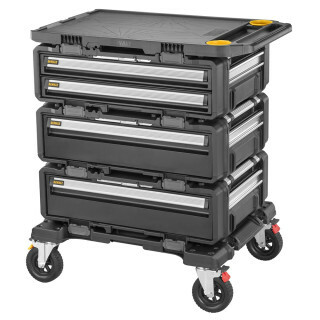
A proper chest stops smaller hand tools, sockets and bits ending up loose in drawers or on shelves. Add DeWalt tool chests if you want your everyday grab kit kept together and easy to move.
2. Wall Shelves and Racks
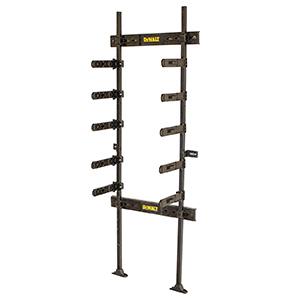
These save you from losing the whole bench to aerosols, fixings, chargers and loose gear. DeWalt wall shelves and racks are worth it when floor space is tight but the walls are doing nothing.
3. Extra Shelving
Do not cram everything into one bay and hope for the best. Adding DeWalt shelving keeps cases, stock and bulky items separated so the setup stays usable once it fills up.
4. Cabinets and Lockers
If shared workshop kit has a habit of going missing, lock it away. DeWalt cabinets and lockers stop expensive gear walking and keep the smarter end of the setup protected from dust and knocks.
Choose the Right DeWalt Workshop Storage for the Job
Use this as a quick guide when you're sorting out the space.
| Your Job | Storage Type | Key Features |
|---|---|---|
| Storing power tools, batteries and testing gear securely | Workshop cabinets or lockers | Lockable doors, enclosed storage, cleaner protection from dust and workshop mess |
| Keeping bulky cases, stock and consumables off the floor | Workshop shelving | Open access, strong shelf capacity, easy visibility for fast grab and go |
| Freeing up the main workbench in a tight garage or unit | Wall shelves and racks | Uses vertical space, keeps everyday items within reach, clears clutter fast |
| Building a full workshop layout from scratch | Modular workshop range | Matching units, neater fitout, easier to expand as the workshop grows |
| Upgrading a heavier use trade bay or serious garage setup | DXL workshop storage | More robust build, larger storage options, suited to busy long term workshop use |
Common Buying and Usage Mistakes
- Buying only by size and ignoring weight capacity is a common mistake. It looks fine empty, then shelves start struggling once you stack cases, fixings and machines on them, so always check what the unit is meant to carry.
- Using open shelving for everything can backfire in a shared workshop. Valuable batteries, testers and specialist kit are better off in locked cabinets where they stay cleaner and harder to walk off with.
- Filling the floor first and forgetting the walls wastes space fast. If your bench keeps disappearing under clutter, add wall storage and keep the main work area clear.
- Trying to sort the whole workshop in one go usually ends in dead space and the wrong units. Start with the busiest area first, then add storage once you know what really needs a home.
- Mixing random storage without thinking about workflow slows everything down. Keep chargers, daily tools and fast-moving consumables close to the bench, not spread across the room.
Cabinets vs Shelving vs Wall Racks
Workshop Cabinets
Best when security and tidy storage matter more than instant access. Go this way for batteries, chargers, test gear and anything expensive or easily lost in a shared workspace.
Workshop Shelving
Best for bulky kit, stock and items you want to see straight away. Shelving is quicker than cabinets for daily grab items, but it leaves everything exposed to dust and knocks.
Wall Shelves and Racks
Best for smaller gear and keeping the bench clear. They are ideal in a tighter DeWalt garage storage setup, but they are not the place for your heaviest machines and stacked cases.
Full Workshop Range
Best if you want a joined-up layout instead of patching bits together. A matched setup is easier to expand, looks cleaner and usually works better long term in a proper trade workshop.
Maintenance and Care
Keep Dust and Swarf Off
Brush or wipe units down regularly, especially around hinges, handles and shelf edges. Fine dust and metal swarf soon make storage look tired and can scratch surfaces or jam moving parts.
Do Not Overload Shelves
Spread heavier kit properly instead of stacking it all in one spot. That stops shelves bowing, keeps access easier and helps the whole setup last longer under daily use.
Check Fixings and Wall Mounts
If you've got shelving or racks fixed up on the wall, inspect the mounting points now and then. A loose bracket is the sort of problem you only notice once something expensive hits the floor.
Keep Locks and Hinges Working
Cabinet doors get hammered in busy workshops, so keep hinges aligned and locks free from grime. If a door starts catching, sort it early before it twists or gets forced shut.
Replace Bent or Damaged Parts Early
Once a shelf, bracket or drawer starts failing, do not keep loading it. Replacing worn parts early is cheaper than losing tools, damaging batteries or having the whole lot come down midweek.
Why Shop for DeWalt Workshop Storage at ITS?
Whether you need a single cabinet, extra shelving or a full DeWalt workshop range for a trade unit or garage, we've got the lot in one place. That includes everyday workshop storage as well as DeWalt DXL workshop storage, all held in our own warehouse and ready for next day delivery.
DeWalt Workshop Storage FAQs
What workshop storage does DeWalt offer?
DeWalt offers a proper spread for workshop fitouts, including shelving, cabinets, lockers, wall storage and larger modular setups. It covers everything from basic bench-side organisation to full workshop layouts where tools, cases, consumables and heavier kit all need their own place.
Is DeWalt workshop storage suitable for a home garage?
Yes. It works well in a home garage as long as you pick units to match the space and the weight of what you're storing. If you're using it for DIY, vehicle work or side jobs, it gives you the same tidy, hard-wearing setup trades want in a unit, just on a smaller footprint.
Can DeWalt workshop storage be combined with TSTAK or ToughSystem?
Yes, in practical terms it can sit alongside both systems very well. Workshop storage gives you the fixed base for chargers, stock and bench gear, while TSTAK or ToughSystem cases handle the portable kit going out to site. Just check sizes and layout so cases stack and store where you actually need them.
Is open shelving enough, or do I need cabinets as well?
Open shelving is fine for bulky cases, stock and items you grab all day. For batteries, testing gear, pricier tools or anything you want cleaner and more secure, cabinets are the better call. Most decent workshop setups use both.
Will this sort of storage cope with proper trade use, or is it just for light garage jobs?
It is built for workshop use, not just looking tidy in the corner. That said, be sensible with load and layout. If you're storing heavier plant, stacked cases and dense stock, check capacities and go for the more robust options rather than buying light and overloading it.
What is the best way to start a DeWalt workshop organisation setup?
Start with the busiest area first, usually the main bench and charger zone. Put daily-use tools within reach, get bulky cases onto shelving and lock expensive gear away. Once that works, expand the layout instead of buying a full room of storage before you know how you use the space.