Dewalt Sanding Pads & Sheets
DeWalt sanding pad options keep your sander cutting clean when the original pad is worn, clogged or torn and the finish starts going off.
When discs stop sticking or the sander starts leaving swirls, the pad is usually the culprit. DeWalt sander pads, backing pads and sanding sheets are built for proper site use, whether you're flattening filler, knocking back timber or cleaning up between coats. Check your sander type, hole pattern and 125mm or 150mm size before you buy, then get the right replacement and carry on.
What Are DeWalt Sanding Pads Used For?
- Replacing a worn dewalt sanding pad gets your orbital sander gripping properly again, so discs stay put and you do not waste half the morning peeling loose abrasives off the base.
- Flattening filler on refurbs and snagging work is where dewalt orbital sanding pads earn their keep, especially when you need a clean, even finish before primer or paint goes on.
- Sanding doors, skirting and timber trims on second fix is quicker with the right dewalt hook and loop pad, because sheet changes stay fast and dust extraction lines up as it should.
- Cleaning back painted surfaces, sealers and rough patches between coats is what dewalt sanding discs and abrasive pads are there for, giving decorators and fit-out teams a more consistent cut.
- Swapping out a damaged dewalt backing pad on site saves binning a perfectly good sander when the motor is sound but the base has taken a knock or the fixing face has worn out.
Choosing the Right DeWalt Sanding Pad
Sort the pad to the sander first. Get that wrong and nothing else matters.
1. Match the Sander Type
If you are using a random orbital, buy the correct dewalt orbital sanding pads or backing pad for that machine. Do not assume any round pad will fit every DeWalt sander, because fixing points and dust holes vary across the range.
2. Check 125mm or 150mm
A dewalt 125mm backing pad suits the smaller common site sanders and is handy for doors, trims and tighter work. If you are covering bigger panels or want quicker stock removal, a dewalt 150mm backing pad gives you more face on the job.
3. Look at the Hook and Loop Face
If the hooks are flattened or patchy, stop blaming the sanding discs. A fresh dewalt hook and loop pad holds abrasives properly and keeps the cut even, especially when you are working overhead or on vertical faces.
4. Do Not Ignore the Dust Hole Pattern
If the holes do not line up, extraction drops off and the abrasive clogs faster. For cleaner sanding and less mess, match the pad and sheets to the sander base and extraction setup you are actually using.
Who Uses These on Site?
- Chippies use DeWalt sanding pads for trimming down doors, easing edges and cleaning up first and second fix timber without gouging the job.
- Decorators rely on dewalt sanding sheets and replacement pads when they are keying painted surfaces, flattening filler and sorting snagging before the final coat.
- Kitchen fitters and shopfitters keep a dewalt replacement sanding pad in the van because once the original base stops holding discs, finishing panels and scribed ends becomes a faff.
- Maintenance teams and site fixers swear by dewalt sanding accessories for quick repairs, patch work and touch-ups where dragging out bigger gear would just slow the day down.
DeWalt Sanding Accessories That Keep You Working
A replacement pad is only half the job. The right extras stop wasted time, clogged abrasives and poor dust pick-up.
1. Sanding Sheets and Discs
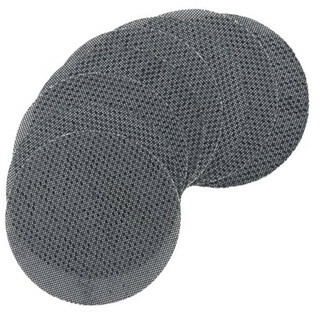
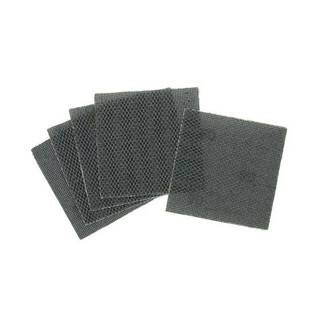
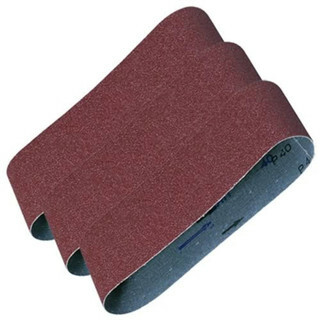
A new backing pad is pointless if your abrasives are the wrong grit or worn smooth. Keep a range of Dewalt Sanding Sheets in the van so you can go from rough flattening to finish prep without stopping the job.
2. Spare Backing Pad
If your sander earns its keep every week, keep a spare dewalt replacement sanding pad ready. It saves that annoying standstill when the hook face gives up halfway through a kitchen fit or decorating snag list.
3. Dust Bags or Extraction Adaptors
Get the dust extraction sorted properly. A pad and abrasive will cut better and last longer when the dust is actually being pulled away instead of clogging the face after a few passes.
Choose the Right DeWalt Sanding Pad for the Job
Use this quick guide to sort the pad size and type before you order.
| Your Job | Category or Type | Key Features |
|---|---|---|
| General door, trim and filler sanding | 125mm DeWalt backing pad | Common site size, good control, suits everyday orbital sanding and quick disc changes. |
| Bigger flat panels and faster prep work | 150mm DeWalt backing pad | More sanding area, quicker coverage, better for bench work and wider surfaces. |
| Discs not sticking or slipping off | DeWalt hook and loop pad | Fresh hook face grips abrasives properly and helps stop uneven sanding marks. |
| Dust building up and sheets clogging fast | Pad with correct dust hole pattern | Better extraction, cleaner cut, less clogging and longer abrasive life. |
| Worn base on an otherwise sound sander | DeWalt replacement sanding pad | Cheaper than replacing the whole tool and gets the machine back earning again. |
Common Buying and Usage Mistakes
- Buying by diameter alone is a common mistake. A 125mm pad still needs the right fixing and hole layout for your DeWalt sander or it will not fit or extract properly.
- Running a pad after the hook and loop face has worn flat wastes discs and ruins the finish. If abrasives keep lifting, replace the pad before blaming the sheets.
- Using the wrong hole pattern chokes extraction and clogs the abrasive quickly. Match the dust holes to the machine if you want a cleaner cut and less mess.
- Ignoring a cracked or damaged backing pad can leave swirl marks and uneven pressure across the work. Swap it out early rather than trying to nurse it through one more job.
- Fitting cheap off-pattern pads to save a few quid often leads to poor balance and shorter life. If the sander is used day in day out, buy the right DeWalt replacement part for it.
125mm vs 150mm vs Replacement Hook and Loop Pads
125mm Backing Pads
This is the usual pick for everyday site sanding. It is easier to control on doors, skirting and patch repairs, and it suits the sort of orbital sanding most chippies and decorators are doing week in, week out.
150mm Backing Pads
Go 150mm when you are covering larger flat areas and want to get through prep quicker. They are less nimble in tight spots, but they make more sense on panels, boards and bench work.
Replacement Hook and Loop Pads
These are not about changing sanding size. They are the fix when your current base still fits the machine but no longer grips sanding discs properly. If discs keep flying off, this is the one to look at first.
Maintenance and Care
Keep the Hook Face Clean
Dust and loose grit get trapped in the hook and loop surface and stop discs seating properly. Brush it off after use so the next abrasive actually sticks flat.
Check for Edge Damage
Once the edge starts tearing or chunking away, the pad can mark the work and wear sheets unevenly. Replace it before it starts ruining finish work.
Do Not Store It Crushed Under Kit
Pads get bent and the fixing face gets damaged when they are thrown loose in the van. Keep sanding accessories packed properly, ideally with your DeWalt Tool Storage, so they stay flat and usable.
Watch Dust Extraction Performance
If dust starts hanging around the surface more than usual, check the holes in the pad are clear and still lined up. Poor extraction means hotter abrasives and a rougher finish.
Replace the Pad Before the Whole Tool Suffers
A worn pad makes the sander work harder and gives a poorer result. If the machine is sound, changing the backing pad is the cheaper fix and gets it back to proper use fast.
Why Shop for DeWalt Sanding Pads at ITS?
Whether you need a single dewalt sanding pad, dewalt sanding discs, a 125mm or 150mm backing pad, or the wider Dewalt Power Tool Accessories range, we stock the lot. It is all in our own warehouse and ready for next day delivery, so you can get the right pad on the van without holding the job up.
DeWalt Sanding Pad FAQs
What sanding pads does DeWalt make?
DeWalt makes a mix of backing pads, hook and loop pads, replacement sanding pads, sanding sheets and sanding discs for different sanders and jobs. In plain terms, that means you can replace the worn base on the machine or stock up on the abrasives that do the actual cutting.
What sizes are DeWalt sanding pads available in?
The main sizes most trades are looking for are 125mm and 150mm. 125mm is the common all-rounder for general site sanding, while 150mm is better when you want more coverage on bigger flat surfaces.
Are DeWalt sanding pads compatible with all DeWalt sanders?
No, not all of them. You need to match the pad to the exact sander type, size, fitting point and dust hole pattern. Close enough is not good enough here, so check the machine details before ordering a replacement.
How do you fit a DeWalt replacement sanding pad?
On most DeWalt sanders, you remove the old pad from the base fixing, line up the new one correctly, and secure it back in place as designed for that model. It is a straightforward swap, but take a minute to check the hole alignment and fixing pattern before tightening everything down.
Do I need a new pad if my sanding discs keep falling off?
Usually, yes. If the hook and loop face is worn flat, clogged or torn, the discs will not stay put no matter how good they are. A fresh pad normally fixes that straight away.
Is it worth replacing the backing pad instead of buying a new sander?
Yes, if the motor and body are still sound. A worn backing pad is a normal service part on a hard-worked sander, and replacing it is far cheaper than binning the whole tool for a part that has simply reached the end of its life.