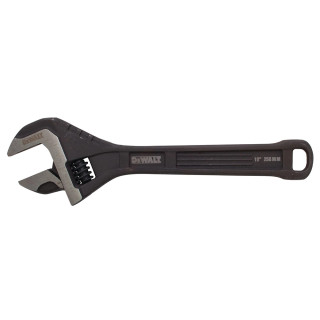
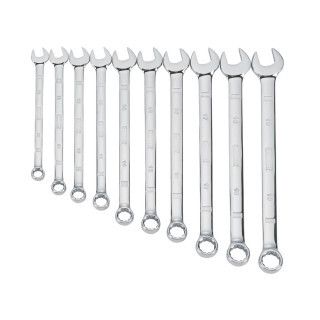
Dewalt Spanners
DeWalt spanners are for the fixings that fight back on site, in plant rooms, and under vans. Proper grip, clean fit, and sizes that earn their place in the bag.
When you're tightening back nuts, cracking off seized fixings, or working across mixed installs, you want spanners that sit properly on the flats and do not round fasteners. DeWalt hand spanners and DeWalt combination spanner sets are built for daily trade use, with chrome vanadium strength, clear sizing, and ring and open end options that cover the jobs you actually see. If you already run Dewalt Hand Tools, this is the sort of kit that keeps the bag consistent. Pick the sizes and sets that match your regular fixings and get sorted properly.
What Are DeWalt Spanners Used For?
- Tightening bracket fixings, threaded rod nuts, and channel supports in plant rooms is where a DeWalt combination spanner earns its keep, especially when sockets will not fit the space.
- Working under sinks, behind boilers, or inside service cupboards, DeWalt hand spanners let plumbers and maintenance teams get onto awkward nuts without skinning their knuckles on pipework.
- Cracking off corroded fixings on gates, plant, trailers, and site kit is easier with a proper DeWalt ring spanner that grips cleanly and spreads load better round the nut.
- Holding back bolts during first fix metalwork, tray installs, and framework assembly is a standard site job for a DeWalt open end spanner when one side needs restraining and the other is being driven.
- Keeping a DeWalt spanner set in the van covers the everyday metric fasteners you hit on snagging, servicing, and fit-out work, so you are not making do with adjustables for jobs that need the right fit.
Choosing the Right DeWalt Spanners
Sorting the right one is simple. Match the spanner to the fixing and the access, not just the badge on the tool bag.
1. Combination or Open End
If you are working on general installs, servicing, and site fixings, go for a DeWalt combination spanner because you get an open end for quick placement and a ring end for proper load. If access is tight from the side and you cannot slide over the nut, an open end spanner is the one you need.
2. Buy a Set if You See Mixed Fasteners
If your week covers maintenance, M&E, vehicles, and general snagging, do not mess about buying singles first. A DeWalt spanner set saves time and stops that usual problem where the one size you need is the one missing from the van.
3. Metric First for Most UK Site Work
Most current site hardware is metric, so DeWalt metric spanners should be your starting point. Only add imperial if you are regularly on older machinery, legacy plant, or imported equipment where AF sizes still crop up.
4. Look at the Finish and Steel
A DeWalt chrome vanadium spanner is worth having because it stands up better to daily use and repeated load. If your tools live in damp vans, site boxes, or service bags, a decent finish matters because it helps keep rust and surface wear under control.
Who Uses These on Site?
- Plumbers keep DeWalt spanners close for valves, pump unions, brackets, and back nuts where a socket set simply will not get in.
- Sparkies use them on containment, trunking supports, channel systems, and external fixings, especially when holding one side of a bolt while tightening the other.
- Mechanical fitters and maintenance teams swear by a DeWalt combination spanner set for plant checks, service work, and replacing worn fixings on pumps, guards, and housings.
- Groundworkers and steel fixers reach for DeWalt hand spanners when site gear, fencing, and formwork hardware need tightening without dragging a full socket kit across the job.
- Mobile mechanics, van fitters, and yard teams keep a set in DeWalt Tool Storage so the common sizes are always together and easy to grab.
Extras That Make DeWalt Spanners More Useful
A spanner is only part of the job. These bits save time when fixings are awkward, seized, or spread across different kit.
1. Socket Sets
When you have got room straight onto the fixing, sockets are quicker and less tiring than working a spanner a flat at a time. Keep both in the van so you are not forcing a spanner onto jobs a ratchet should be doing.
2. Tool Storage Trays and Cases
Loose spanners vanish fast on busy jobs. Proper storage stops you losing the one size you need and makes it easier to spot gaps before you head to site.
3. Fastener and Bit Replacements
Half the battle is having the right replacement hardware or driver gear to finish the fix once the old nut is off. A look through Dewalt Power Tool Accessories makes sense if the job moves straight from removal to refit.
Choose the Right DeWalt Spanners for the Job
Use this quick guide to sort the right style before you buy.
| Your Job | Category or Type | Key Features |
|---|---|---|
| Everyday install, service, and snagging work | DeWalt combination spanner set | Open end for quick access, ring end for stronger grip, multiple metric sizes in one roll or tray |
| Holding bolts in tight containment or bracket work | DeWalt open end spanner | Side access onto flats, useful where sockets cannot get over the fixing |
| Shifting tighter or older fixings without rounding them | DeWalt ring spanner | Better contact around the nut, cleaner load transfer, less chance of slipping under pressure |
| Working mainly on current UK fixings and hardware | DeWalt metric spanners | Matches the fasteners most seen on modern site, plant room, and vehicle fit-out jobs |
| Van stock for mixed maintenance calls | DeWalt hand spanners set | Covers common sizes, faster than relying on an adjustable, easier to keep organised |
Common Buying and Usage Mistakes
- Buying only an adjustable instead of a proper DeWalt spanner set usually ends in rounded nuts and wasted time. For repeated site work, get the correct metric sizes and keep the adjustable as backup only.
- Using an open end when the ring end will fit is a common one. The fixing takes less contact, slips sooner, and your knuckles know about it. Use the ring side first whenever access allows.
- Ignoring metric versus imperial causes no end of grief on older kit. A near fit is not a fit, and that is how fasteners get chewed. Check the hardware properly before leaning on it.
- Leaving spanners loose in the van means you lose the key sizes first. Store them in order so you can spot missing sizes before you are halfway through a callout.
- Using a spanner as a pry bar or striking tool shortens its life fast. They are for turning fixings, not levering covers off or taking hammer blows.
Combination Spanners vs Ring Spanners vs Open End Spanners
Combination Spanners
This is the best all-round buy for most trades. You get fast placement from the open end and better grip from the ring end, so one tool covers most install and maintenance work without filling the bag with extras.
Ring Spanners
Ring spanners are the better choice when fixings are tight, awkward, or already a bit tired. They spread load around more of the nut, so they are less likely to slip or round corners when you need to lean on them.
Open End Spanners
Open end spanners come into their own where you need side access and cannot drop a ring or socket over the fixing. They are handy, but they are not the first pick for seized or high-torque work.
Maintenance and Care
Wipe Them Down After Dirty Work
Oil, brake dust, plaster, and wet grit all sit on the finish if you leave them. A quick wipe after use keeps the jaws clean and makes the sizes easier to read next time.
Keep Sets Complete
Store spanners back in order after each job. It sounds basic, but it is the easiest way to avoid missing sizes and doubling back to the van halfway through an install.
Watch for Jaw Wear
If the contact faces are visibly worn or the fit feels sloppy on known good nuts, stop using that spanner for tighter work. A worn spanner will round fixings long before it actually looks broken.
Store Dry
Even with a decent finish, damp van floors and wet site boxes do them no favours. Keep them in a tray, roll, or drawer insert so moisture is less likely to sit on the metal.
Replace, Do Not Abuse
If a spanner is bent, cracked, or badly burred, replace it. Do not keep forcing it through one more job, because that is when fixings slip and hands get opened up.
Why Shop for DeWalt Spanners at ITS?
Whether you need a single DeWalt combination spanner, a full DeWalt spanner set, or matching kit from the wider range, we stock the sizes and types trades actually use. You can also sort the rest of your DeWalt loadout in one go, from Dewalt FLEXVOLT More Power Tools to Dewalt FLEXVOLT Batteries Chargers and Mounts. It is all held in our own warehouse, in stock, and ready for next day delivery.
DeWalt Spanners FAQs
What spanners does DeWalt make?
DeWalt make the core types trades actually need, including DeWalt combination spanner options, open end styles, ring spanner designs, and DeWalt spanner set formats. The range is built around everyday fixing jobs rather than niche shapes you will hardly ever use.
Are DeWalt spanners available in metric and imperial?
Yes, you will find DeWalt metric spanners as well as ranges that cover imperial depending on the set. For most UK site work, metric is the one to buy first, but imperial still matters if you are on older machinery or legacy plant.
What finish do DeWalt spanners have?
Most DeWalt spanners are built with a chrome vanadium construction and a protective finish that helps with corrosion resistance and cleanup. In plain terms, they wipe down well after oily or dirty jobs and stand up better to damp van life than bare steel.
Are DeWalt spanners suitable for professional mechanics?
Yes, for general professional mechanical and maintenance work they are a solid choice. They fit cleanly, cover common fastener sizes, and are tough enough for regular use, though like any spanner they need to be matched to the correct size and not abused as pry bars.
Do I need a full DeWalt spanner set or just a few singles?
If you are on mixed install or maintenance work, buy the set. It is usually the better call because the odd sizes always turn up, and buying singles one by one normally costs more time and more hassle in the long run.
Will these cope with seized or older fixings?
They will cope well if you use the right type and size. For tighter or tired fixings, the ring end is the safer bet because it grips round more of the nut. If the fixing is badly corroded, clean it up first and avoid using an open end unless you have no other access.
Are DeWalt spanners a better choice than using an adjustable?
For repeated work, yes. A proper sized spanner fits tighter, slips less, and is far less likely to round the flats. An adjustable still has its place, but it should not be your first choice when you know the fixing size.
What else should I sort with a new spanner set?
Storage is the big one, because loose spanners disappear fast. It also makes sense to check the wider DeWalt range if you are building out a full kit, especially if you need hand tools, storage, and site gear all working together.