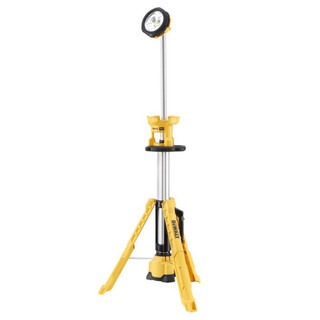
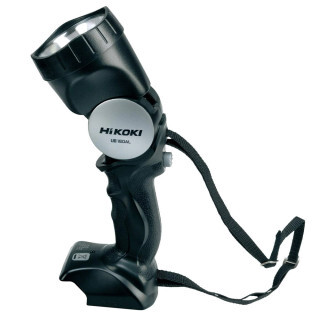
Dewalt 18V XR Torches & Lighting
DeWalt 18V torch and lighting kit keeps dark work areas usable, whether you're in lofts, risers, first fix rooms or outside on late handovers.
When the mains is off, the board is bare, or you're finishing snagging after the light's gone, a proper DeWalt 18V work light saves time and keeps the job safe. This range covers compact torches, area lights and stands that run on the same XR batteries as your drill kit. If you are after focused task lighting, start with DeWalt 18V XR torches. For bigger rooms and broader spread, look at DeWalt 18V XR tripod lights and match them with the right DeWalt 18V XR batteries and DeWalt 18V XR chargers. If you're already on the platform, it is a simple win. Get the light that suits the room, the run time and the way you work.
What Are DeWalt 18V Torches and Lighting Used For?
- Working in dark lofts, cupboards and service voids is far easier with a DeWalt 18V torch that gives you proper beam control when you are tracing pipes, reading cables or fixing into awkward corners.
- Lighting up first fix rooms with no permanent power helps sparks, plumbers and dryliners keep moving instead of packing up early when natural light drops off.
- Setting a DeWalt LED site light near the cut line or workbench makes cleaner cuts, cleaner fixings and fewer mistakes when you are measuring, marking or snagging late in the day.
- Using a freestanding DeWalt 18V work light on plant rooms, stairwells and refurbs keeps both hands free, which matters when you are carrying kit, drilling overhead or working off steps.
- Keeping cordless lighting in the van gives site managers and maintenance teams a quick answer for inspections, call outs and temporary light where mains lighting is missing or unreliable.
Choosing the Right DeWalt 18V Torch and Lighting
Sorting the right one is simple. Match the light to the space, not just the brand badge.
1. Torch or Area Light
If you are inspecting voids, tracing runs or working one-handed in tight spots, go for a DeWalt XR torch with a focused beam. If you are lighting a whole room, bench or landing, a wider spread work light is the better buy every time.
2. Freestanding or Tripod Mounted
If you move room to room all day, a compact freestanding unit is quicker to shift and set down. If you are in one area for hours and need light thrown across the whole work zone, a tripod light saves shadows and keeps the floor clearer.
3. Run Time Matters More Than You Think
A bright light is no use if it dies halfway through the job. If you are only inspecting or doing short bursts, a smaller battery will do. If the light is carrying a full room through first fix or snagging, step up your battery size so you are not swapping packs all evening.
4. Think About Where It Will Sit
If the floor is cluttered, choose a light with a solid base or hanging option so it stays put. There is no point buying a powerful DeWalt 18V site light if every bit of conduit, rubble or board offcut knocks it over.
Who Uses These on Site?
- Sparkies rely on a DeWalt 18V torch for board changes, cable runs and second fix in half-lit rooms where you need to see terminals properly, not work by phone light.
- Plumbers and heating engineers use them under sinks, in airing cupboards and behind plant where a directed beam makes finding valves, joints and leaks much quicker.
- Chippies and kitchen fitters keep a DeWalt cordless work light nearby for marking out, scribing and final fitting, especially on winter jobs when daylight disappears early.
- Site managers and snagging teams use area lights for inspections, handovers and late finishes, because poor lighting is where missed defects and avoidable call backs start.
- Maintenance crews and van-based trades swear by them for call outs, and many keep one next to their DeWalt 18V XR radios as standard van kit.
The Basics: Understanding DeWalt 18V Torch and Lighting
These lights all do the same core job, but they throw light in different ways. The bit that matters is how much area you need to cover and whether you need a beam or a spread.
1. Torch Beams for Task Work
A DeWalt 18V torch throws a tighter beam where you point it. That is what you want for inspection work, loft spaces, meter cupboards and anywhere you need to pick out detail rather than flood a whole room.
2. Area Lights for Room Coverage
A DeWalt 18V work light spreads light over a wider area so you can work with both hands and see the floor, fixings and surrounding surfaces properly. This is the better option for first fix rooms, stairwells and general site lighting.
3. Battery Platform Means Shared Power
Because these sit on the 18V XR platform, the same batteries you use in your drills and saws can usually power your lighting too. That keeps van kit simpler and means one battery system covers tools, light and charging.
DeWalt Lighting Accessories That Keep You Working
A decent light is only half the job. The right power and charging kit stops downtime and saves walking back to the van.
1. Spare XR Batteries
A spare pack is the obvious one. You do not want your light dying halfway through a loft inspection or late snagging list, especially when the room has no mains yet.
2. Fast Chargers
A proper charger keeps batteries turning around between jobs instead of leaving dead packs sat in the van. If the light is part of daily kit, quick charging saves a lot of grief.
3. Tripod Stands
For larger DeWalt LED site light setups, a tripod gets the beam higher and spreads light better across rooms, landings and work areas without cluttering the floor.
Choose the Right DeWalt 18V Torch and Lighting for the Job
Use this quick guide to sort the right light for the way you actually work.
| Your Job | Light Type | Key Features |
|---|---|---|
| Checking cupboards, lofts and service voids | 18V torch | Focused beam, compact body, easy one hand use |
| First fix in small rooms with no mains | Compact work light | Freestanding base, wide spread, hands free lighting |
| Snagging, decorating or fitting across a full room | Area light | Broader light output, stable base, better room coverage |
| Lighting larger spaces, stairwells or open refurbs | Tripod light | Raised height, wider throw, less shadow on the floor |
| Late inspections and mobile call out work | Portable XR torch | Quick grab use, shared batteries, easy van storage |
Common Buying and Usage Mistakes
- Buying a torch when you really need an area light is the usual mistake. A tight beam is fine for inspection work, but it is poor for room coverage and leaves you working in shadows.
- Underestimating battery size catches plenty of lads out. A small pack might be enough for quick checks, but regular site lighting needs proper run time or you will be swapping batteries all shift.
- Setting the light too low wastes output and throws shadows across the job. Raise it where you can or use a tripod if you are lighting more than just one corner.
- Ignoring stability is asking for trouble on rough floors. If the base is perched on rubble, boards or trailing leads, expect the light to get knocked over and the lens to take the hit.
- Treating lighting as an afterthought slows everything down. Poor light means bad marks, missed defects and more snagging, so sort it before the job starts, not when daylight has gone.
Torch vs Work Light vs Tripod Light
18V Torch
Best for inspections, tight spaces and quick grab jobs. It gives you a directed beam exactly where you need it, but it will not light a full room properly.
18V Work Light
This is the all rounder for benches, rooms and general fitting work. It spreads light better than a torch and usually stands on its own, but it still will not cover large open areas like a higher mounted light.
18V Tripod Light
The right choice for bigger spaces, refurbs and long jobs in one area. You get height and better spread, though it takes up more room and is less convenient for constant moving about.
Maintenance and Care
Wipe Down After Dusty Work
Plaster dust and brick dust get everywhere, including vents, lenses and switches. A quick wipe after use keeps the beam clear and stops grime building up round moving parts.
Check the Lens and Housing
If the light has been knocked over or thrown in the van with other gear, inspect the lens and casing before the next shift. Cracks and loose fittings only get worse once site dust and damp get into them.
Look After the Battery Contacts
Keep the battery rails and contacts clean and dry so packs slide on properly and do not lose connection mid job. Dirty contacts are a simple cause of lights cutting out.
Store It Somewhere Sensible
Do not leave the light rolling about loose under heavy kit. A stable spot in the van or box stops broken stands, bent mounts and scratched lenses.
Replace Damaged Parts Before They Cost You Time
If the base no longer stands properly or the adjustment points are slipping, deal with it early. A light that will not stay where you put it is more nuisance than help on site.
Why Shop for DeWalt 18V Torch and Lighting at ITS?
Whether you need a compact DeWalt 18V torch for inspection work or a larger DeWalt 18V site light for full room coverage, we stock the range in one place. That means torches, work lights, tripod lights, batteries and chargers all held in our own warehouse and ready for next day delivery.
DeWalt 18V Torch and Lighting FAQs
Does the DeWalt 18V torch share batteries with other tools?
Yes. If it is part of the DeWalt 18V XR platform, it is built to run on the same XR batteries used across a wide range of DeWalt cordless tools. That is one of the main reasons trades buy into it. One battery system, less van clutter, fewer chargers.
How bright is the DeWalt 18V work light?
It depends on the model, because output varies from compact task lights to larger area lights. The honest answer is this. Smaller units are fine for cupboards, lofts and close work. Bigger DeWalt LED site light models are what you want for lighting full rooms, landings and broader work zones.
Can the DeWalt work light stand freely on site?
Many of them can, yes. Freestanding models are built with stable bases so you can set them down on floors, boards or benches and keep both hands on the job. Just be sensible on uneven ground or rubble, because any light will go over if it is perched badly.
Is a DeWalt 18V torch enough for full room work?
Not usually. A torch is ideal for inspection and directed task lighting, but if you are fitting out a room or working across a whole area, a proper DeWalt 18V work light or tripod light is the better tool for it.
Will these lights handle normal site knocks?
Yes, they are built for trade use and daily van life, but be realistic. They will put up with the usual bumps, dust and moving about site, though repeated drops onto concrete or getting crushed under kit will finish any light off sooner or later.
Do I need a bigger battery for lighting than I do for quick tool jobs?
For longer lighting jobs, yes, it makes sense. A light can be left running for hours, so larger capacity batteries are worth having if you are doing first fix, snagging or late finishes. For quick inspections, a smaller pack is usually enough.