Dewalt 18V XR Nail Guns Dewalt 18V XR Nail Guns

Dewalt 18V XR Nail Guns

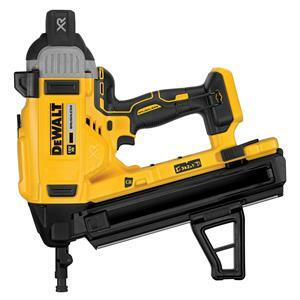
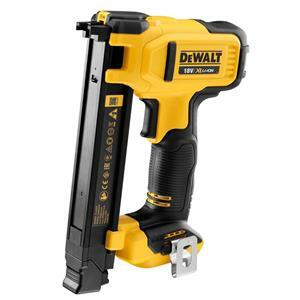
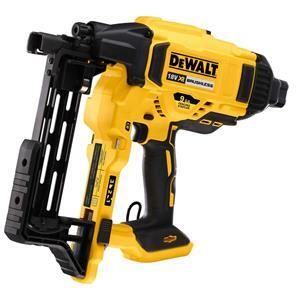
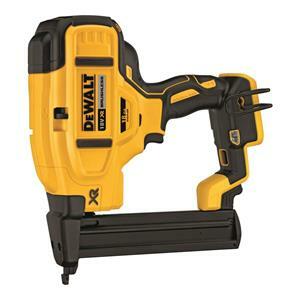
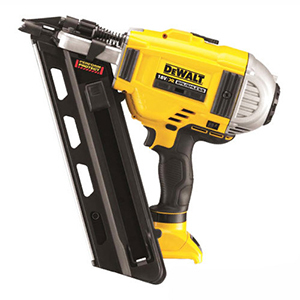
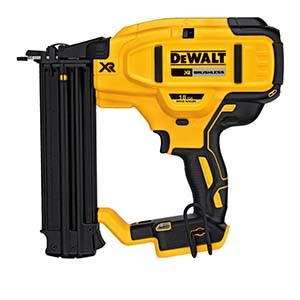
DeWalt coil nail gun options for fast, repeatable fixing on roofing, cladding, fencing and timber sheathing when you need pace without stopping to reload.

When you're banging in hundreds of fixings a day, a coil nailer saves you time and keeps the line moving. This DeWalt 18V XR nail gun range is built for high-volume work where consistent depth and fewer reloads matter, especially on first-fix and exterior timber jobs. Pick the right magazine angle and nail spec for your fixings, then set your depth properly and you'll get clean, tight results without splitting boards.

What Jobs Are DeWalt Coil Nail Guns Best At?

  • Fixing roof battens, felt support trays, and timber sheathing where you're firing all day and a coil magazine cuts down reload stops.
  • Putting up fencing panels, feather edge, and rails when you need a consistent drive depth that does not leave proud heads to snag or rot.
  • Cladding and exterior timber work where speed matters, but you still need controlled fixing to avoid splitting tongues, edges, and thinner boards.
  • Site timber builds like sheds, kiosks, hoardings, and stud backers where a coil nailer keeps production up and your fixings uniform.

Choosing the Right DeWalt Coil Nail Gun

Sorting the right one is simple: match the nail type and fixing length to the timber and the job, then choose the nailer that feeds it reliably all day.

1. Nail spec and corrosion rating

If you are fixing outdoors, do not cheap out on nails, because the wrong coating will rust and stain timber fast. Match your coil nails to the environment and the timber so the fixing lasts as long as the job.

2. Length and shank type

If you are on cladding and thinner boards, go shorter and keep the drive controlled so you do not blow through or split edges. If you are on structural timber and sheathing, step up the length and use the shank type that gives you the hold you need without overdriving.

3. Depth control and bump vs sequential

If you need clean, accurate placement, run sequential so every shot is deliberate. If you are laying down lots of repetitive fixings on big runs, bump fire is quicker, but only once your depth is dialled in and your workpiece is properly supported.

Who Uses DeWalt Coil Nail Guns?

  • Chippies and first-fix teams who need to get sheathing, bracing, and external timber fixed quickly without stopping every few minutes to reload.
  • Roofers and maintenance crews doing battening and timber repairs, where a cordless setup keeps you moving safely without hoses underfoot.
  • Fencers and landscapers who want repeatable fixing on rails and boards, and keep the nailer set in the van ready for call-outs.

How Cordless Coil Nail Guns Work for You

A coil nailer is about keeping you firing for longer between reloads, with consistent drive so you are not going back to punch proud heads or replace split boards.

1. Coil magazine feed (why it matters)

The nails are collated in a coil, so you carry more fixings in the tool and reload less often. On roofing, cladding, and fencing runs, that is the difference between steady progress and constant stoppages.

2. Depth of drive (what you are controlling)

Depth adjustment lets you set nails flush or slightly countersunk depending on the material. Get it right and your finish is tidy and secure; get it wrong and you either leave heads proud or you bury them and damage the timber surface.

Coil Nailer Accessories That Keep You Working

The right consumables and spares stop downtime and keep your fixings consistent across the whole job.

1. Coil nails in the right size and coating

Buy the correct length, shank, and corrosion rating for the job so you are not pulling boards back off later due to rusting fixings or poor hold. Keeping an extra box on site saves you from stalling a run halfway through a roof or fence line.

2. Spare battery and charger

A coil nailer gets used in bursts, but when it is go time you do not want to be waiting on a dead pack. A second battery and a fast charger is the difference between finishing the run and packing up early.

3. Nose tips and contact trip spares

If you are working on finished cladding or visible timber, a worn or damaged contact point will mark the surface and ruin the look. Keeping spare tips and wear parts means you can swap them out instead of bodging it and leaving dents.

Shop DeWalt Coil Nail Guns at ITS

Whether you need a dewalt coil nail gun for fencing and cladding or a professional dewalt coil nail gun for high-volume first-fix work, we stock the range ready to go. It is all held in our own warehouse for fast despatch, with next day delivery available so you can get back on the fixings without losing a day.

DeWalt Coil Nail Gun FAQs

What is the difference between a first fix and a second fix DeWalt nailer?

First fix nailers are for the structural and hidden work like stud, bracing, sheathing, and general timber fixing where speed and holding power matter. Second fix nailers are for visible finish work like skirting, architrave, and trims where you want a smaller head, less marking, and a cleaner final look.

Do DeWalt cordless nailers require gas canisters or are they fully mechanical?

DeWalt cordless nailers in the XR range are battery-powered and do not rely on gas canisters, so you are not carrying fuel or dealing with misfires caused by cold canisters. You still need the right battery and nails, and like any nailer they want basic cleaning to keep the feed and nose running smoothly.

How do I adjust the depth of drive to ensure nails are flush with the surface?

Use the tool's depth adjuster and test on a scrap piece of the same timber first, then tweak until the head is flush or just below, depending on the fixing. If your nails are sitting proud, increase depth slightly; if you are crushing fibres or blowing through thin boards, back it off and make sure the workpiece is properly supported.

Will a coil nailer split cladding boards and thin timber?

It can if you run the wrong nail length, overdrive the head, or fire too close to an edge. Set the depth so you are not burying the head, keep your fixing positions sensible, and always test on offcuts before you start on the visible run.

Is a coil nail gun overkill if I only do occasional fencing or repairs?

If it is genuinely occasional, you might not see the benefit, because the big win is fewer reloads on long runs. If you are doing fencing, cladding, or sheathing regularly, a coil nailer earns its keep quickly in time saved and consistent fixing.
Read more

Dewalt 18V XR Nail Guns

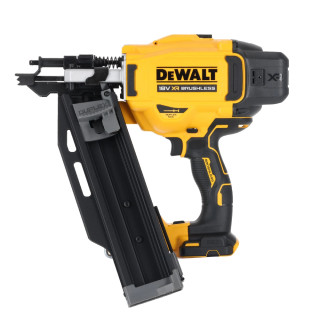
DeWalt coil nail gun options for fast, repeatable fixing on roofing, cladding, fencing and timber sheathing when you need pace without stopping to reload.

When you're banging in hundreds of fixings a day, a coil nailer saves you time and keeps the line moving. This DeWalt 18V XR nail gun range is built for high-volume work where consistent depth and fewer reloads matter, especially on first-fix and exterior timber jobs. Pick the right magazine angle and nail spec for your fixings, then set your depth properly and you'll get clean, tight results without splitting boards.

What Jobs Are DeWalt Coil Nail Guns Best At?

  • Fixing roof battens, felt support trays, and timber sheathing where you're firing all day and a coil magazine cuts down reload stops.
  • Putting up fencing panels, feather edge, and rails when you need a consistent drive depth that does not leave proud heads to snag or rot.
  • Cladding and exterior timber work where speed matters, but you still need controlled fixing to avoid splitting tongues, edges, and thinner boards.
  • Site timber builds like sheds, kiosks, hoardings, and stud backers where a coil nailer keeps production up and your fixings uniform.

Choosing the Right DeWalt Coil Nail Gun

Sorting the right one is simple: match the nail type and fixing length to the timber and the job, then choose the nailer that feeds it reliably all day.

1. Nail spec and corrosion rating

If you are fixing outdoors, do not cheap out on nails, because the wrong coating will rust and stain timber fast. Match your coil nails to the environment and the timber so the fixing lasts as long as the job.

2. Length and shank type

If you are on cladding and thinner boards, go shorter and keep the drive controlled so you do not blow through or split edges. If you are on structural timber and sheathing, step up the length and use the shank type that gives you the hold you need without overdriving.

3. Depth control and bump vs sequential

If you need clean, accurate placement, run sequential so every shot is deliberate. If you are laying down lots of repetitive fixings on big runs, bump fire is quicker, but only once your depth is dialled in and your workpiece is properly supported.

Who Uses DeWalt Coil Nail Guns?

  • Chippies and first-fix teams who need to get sheathing, bracing, and external timber fixed quickly without stopping every few minutes to reload.
  • Roofers and maintenance crews doing battening and timber repairs, where a cordless setup keeps you moving safely without hoses underfoot.
  • Fencers and landscapers who want repeatable fixing on rails and boards, and keep the nailer set in the van ready for call-outs.

How Cordless Coil Nail Guns Work for You

A coil nailer is about keeping you firing for longer between reloads, with consistent drive so you are not going back to punch proud heads or replace split boards.

1. Coil magazine feed (why it matters)

The nails are collated in a coil, so you carry more fixings in the tool and reload less often. On roofing, cladding, and fencing runs, that is the difference between steady progress and constant stoppages.

2. Depth of drive (what you are controlling)

Depth adjustment lets you set nails flush or slightly countersunk depending on the material. Get it right and your finish is tidy and secure; get it wrong and you either leave heads proud or you bury them and damage the timber surface.

Coil Nailer Accessories That Keep You Working

The right consumables and spares stop downtime and keep your fixings consistent across the whole job.

1. Coil nails in the right size and coating

Buy the correct length, shank, and corrosion rating for the job so you are not pulling boards back off later due to rusting fixings or poor hold. Keeping an extra box on site saves you from stalling a run halfway through a roof or fence line.

2. Spare battery and charger

A coil nailer gets used in bursts, but when it is go time you do not want to be waiting on a dead pack. A second battery and a fast charger is the difference between finishing the run and packing up early.

3. Nose tips and contact trip spares

If you are working on finished cladding or visible timber, a worn or damaged contact point will mark the surface and ruin the look. Keeping spare tips and wear parts means you can swap them out instead of bodging it and leaving dents.

Shop DeWalt Coil Nail Guns at ITS

Whether you need a dewalt coil nail gun for fencing and cladding or a professional dewalt coil nail gun for high-volume first-fix work, we stock the range ready to go. It is all held in our own warehouse for fast despatch, with next day delivery available so you can get back on the fixings without losing a day.

DeWalt Coil Nail Gun FAQs

What is the difference between a first fix and a second fix DeWalt nailer?

First fix nailers are for the structural and hidden work like stud, bracing, sheathing, and general timber fixing where speed and holding power matter. Second fix nailers are for visible finish work like skirting, architrave, and trims where you want a smaller head, less marking, and a cleaner final look.

Do DeWalt cordless nailers require gas canisters or are they fully mechanical?

DeWalt cordless nailers in the XR range are battery-powered and do not rely on gas canisters, so you are not carrying fuel or dealing with misfires caused by cold canisters. You still need the right battery and nails, and like any nailer they want basic cleaning to keep the feed and nose running smoothly.

How do I adjust the depth of drive to ensure nails are flush with the surface?

Use the tool's depth adjuster and test on a scrap piece of the same timber first, then tweak until the head is flush or just below, depending on the fixing. If your nails are sitting proud, increase depth slightly; if you are crushing fibres or blowing through thin boards, back it off and make sure the workpiece is properly supported.

Will a coil nailer split cladding boards and thin timber?

It can if you run the wrong nail length, overdrive the head, or fire too close to an edge. Set the depth so you are not burying the head, keep your fixing positions sensible, and always test on offcuts before you start on the visible run.

Is a coil nail gun overkill if I only do occasional fencing or repairs?

If it is genuinely occasional, you might not see the benefit, because the big win is fewer reloads on long runs. If you are doing fencing, cladding, or sheathing regularly, a coil nailer earns its keep quickly in time saved and consistent fixing.
ITS Click and Collect Icon
What3Words:
Get Directions
Store Opening Hours
Opening times