


Pneumatic (Air) Tools

Pneumatic tools are for when you need reliable power all day without cooking batteries or tripping leads.

On busy fit-out, workshop, or plant jobs, compressed air tools keep running shift after shift. Get the right air tool for the task, then match your couplers, hose, and compressor so everything actually fits and flows properly.

What Are Pneumatic Tools Used For?

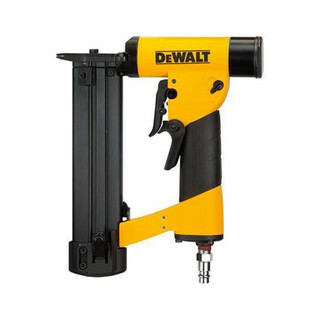
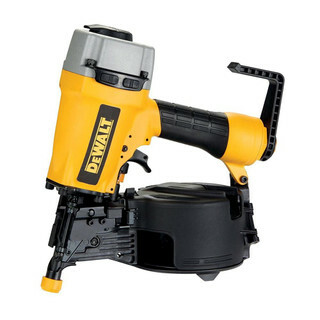
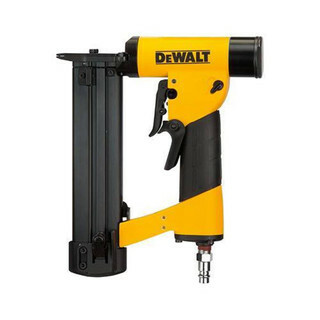
  • Driving fixings fast on repetitive work, like studwork, battens, and sheet materials, where a pneumatic nailer or stapler saves your wrist and keeps the pace up.
  • Shifting stubborn bolts and fixings on plant, wagons, and steelwork using air impact wrenches, because consistent torque matters more than a fresh battery.
  • Grinding, cutting, and de-burring metal in fabrication bays with air die grinders and cut-off tools, where you want a compact tool that can run without overheating.
  • Blowing down benches, housings, and awkward corners with air blow guns, especially after drilling and routing when you need dust and swarf out of threads and channels.
  • Spraying finishes and coatings with air spray guns in workshops and refurbs, where controlled atomisation gives a cleaner finish than brushing on big areas.

Choosing the Right Pneumatic Tools

Sort the air supply first, because the best tool in the world is useless if your compressor and hose cannot keep up.

1. Air demand versus your compressor

If you are running short bursts like a blow gun or pin nailer, most setups cope fine. If you are on grinders, sanders, or impacts all day, check the tool's air consumption and make sure your compressor can deliver the flow without constantly chasing pressure.

2. Coupler and hose size (what actually fits)

If your airline fittings do not match your tools, you will be swapping adaptors and losing air. Standardise your couplers across the van, and do not choke a hungry tool with a tiny hose if you expect it to hit hard and run clean.

3. Pick the tool type for the job, not the name

If you need controlled fastening, go for nailers and staplers with the right magazine and fixing range. If you are breaking rusted fixings loose, choose an impact wrench with the drive size that matches your sockets and the access you have on the job.

Who Uses Pneumatic Tools?

  • Fitters and mechanics lean on compressed air tools for impacts, ratchets, and blow-down because they keep working all day with the right compressor behind them.
  • Chippies and joiners use pneumatic nailers and staplers for first fix, second fix, and sheet work when speed and repeatability matter more than carrying spare batteries.
  • Fabricators and maintenance teams reach for air grinders and sanders in workshops, because they stay compact in tight spaces and cope with long runs of stop start work.

The Basics: Understanding Pneumatic Tools

Pneumatic tools run on compressed air, so performance comes down to airflow, pressure, and the fittings between the compressor and the tool.

1. Pressure versus flow (why some tools feel weak)

Pressure is the headline number, but flow is what keeps the tool pulling. If the hose, couplers, or compressor cannot supply enough air, the tool will spin up then die off under load, especially on grinders and impacts.

2. Drive sizes and what they mean on site

On air impacts and ratchets, the square drive size is about socket compatibility and access. Smaller drives suit tighter spaces and lighter fasteners, while bigger drives suit heavier fixings where you need the tool to take abuse.

3. Air prep keeps tools alive

Clean, dry air matters. Water in the line and dirty air wrecks internals and kills performance, so filters, water traps, and the right lubrication routine are what stop a good tool turning into a weak one.

Pneumatic Tool Accessories That Stop Downtime

The right add-ons keep your compressed air tools hitting properly and stop you wasting time on leaks, mismatched fittings, and water in the line.

1. Quick couplers and plugs

Standardise your couplers and plugs across every tool and hose, or you will be stuck bodging adaptors on site and bleeding air through poor connections when you need the tool to hit hard.

2. Air hose and whip hose

A decent main hose gives you the airflow the tool needs, and a short whip hose at the tool end saves your wrists and stops the airline fighting you when you are working in tight spots.

3. FRL unit or water trap and filter

This is what stops water and muck getting into the tool, which is the quickest way to lose power and kill seals. Fit it once and you will notice the difference in consistency straight away.

4. Air tool oil

If the tool needs oiling, do it properly with air tool oil rather than guessing. It keeps internals lubricated and helps prevent the sluggish, sticky feel you get when tools have been run dry.

Shop Pneumatic Tools at ITS

Whether you are replacing one air gun or kitting out a full setup of pneumatic tools and compressed air tools for the workshop, we stock the range in all the key types and sizes. It is held in our own warehouse, in stock and ready for next day delivery so you can get back on the job without waiting around.

Pneumatic Tools FAQs

What air tools are there?

The main ones you will see on site and in workshops are air impact wrenches and ratchets, die grinders and cut off tools, sanders, drills, blow guns, grease guns, and pneumatic nailers and staplers. Pick the tool based on the job and duty cycle, then make sure your compressor can supply the airflow it needs.

Are most air tools 1/4 or 3/8?

It depends what you mean. For air fittings, 1/4 inch is common on couplers and plugs. For square drives on impacts and ratchets, 3/8 inch is a common mid size, with 1/2 inch used a lot for heavier work and 1/4 inch for lighter, tighter access jobs. Check both the air inlet size and the drive size before you order sockets and fittings.

Will a small compressor run air grinders and sanders properly?

For short bursts, sometimes yes, but for continuous tools like grinders and sanders a small compressor usually runs out of puff and the tool goes weak. If you want proper performance, match the tool's air consumption to your compressor's delivered airflow, not just the tank size.

Do pneumatic tools need oiling, or can I just run them dry?

Some are oil free, but plenty need regular lubrication. Run an oiled tool dry and it will lose power and wear out fast. If you are not sure, check the tool instructions and stick to air tool oil, because general oils can swell seals and make a mess of the internals.

Why does my air tool feel strong at first, then drop off?

That is nearly always airflow or restriction. Leaky couplers, undersized hose, clogged filters, or water in the line will starve the tool, and your compressor will struggle to keep pressure up under load. Sort the fittings and hose first, then look at filtration and compressor capacity.
Read more

Pneumatic (Air) Tools

Pneumatic tools are for when you need reliable power all day without cooking batteries or tripping leads.

On busy fit-out, workshop, or plant jobs, compressed air tools keep running shift after shift. Get the right air tool for the task, then match your couplers, hose, and compressor so everything actually fits and flows properly.

What Are Pneumatic Tools Used For?

  • Driving fixings fast on repetitive work, like studwork, battens, and sheet materials, where a pneumatic nailer or stapler saves your wrist and keeps the pace up.
  • Shifting stubborn bolts and fixings on plant, wagons, and steelwork using air impact wrenches, because consistent torque matters more than a fresh battery.
  • Grinding, cutting, and de-burring metal in fabrication bays with air die grinders and cut-off tools, where you want a compact tool that can run without overheating.
  • Blowing down benches, housings, and awkward corners with air blow guns, especially after drilling and routing when you need dust and swarf out of threads and channels.
  • Spraying finishes and coatings with air spray guns in workshops and refurbs, where controlled atomisation gives a cleaner finish than brushing on big areas.

Choosing the Right Pneumatic Tools

Sort the air supply first, because the best tool in the world is useless if your compressor and hose cannot keep up.

1. Air demand versus your compressor

If you are running short bursts like a blow gun or pin nailer, most setups cope fine. If you are on grinders, sanders, or impacts all day, check the tool's air consumption and make sure your compressor can deliver the flow without constantly chasing pressure.

2. Coupler and hose size (what actually fits)

If your airline fittings do not match your tools, you will be swapping adaptors and losing air. Standardise your couplers across the van, and do not choke a hungry tool with a tiny hose if you expect it to hit hard and run clean.

3. Pick the tool type for the job, not the name

If you need controlled fastening, go for nailers and staplers with the right magazine and fixing range. If you are breaking rusted fixings loose, choose an impact wrench with the drive size that matches your sockets and the access you have on the job.

Who Uses Pneumatic Tools?

  • Fitters and mechanics lean on compressed air tools for impacts, ratchets, and blow-down because they keep working all day with the right compressor behind them.
  • Chippies and joiners use pneumatic nailers and staplers for first fix, second fix, and sheet work when speed and repeatability matter more than carrying spare batteries.
  • Fabricators and maintenance teams reach for air grinders and sanders in workshops, because they stay compact in tight spaces and cope with long runs of stop start work.

The Basics: Understanding Pneumatic Tools

Pneumatic tools run on compressed air, so performance comes down to airflow, pressure, and the fittings between the compressor and the tool.

1. Pressure versus flow (why some tools feel weak)

Pressure is the headline number, but flow is what keeps the tool pulling. If the hose, couplers, or compressor cannot supply enough air, the tool will spin up then die off under load, especially on grinders and impacts.

2. Drive sizes and what they mean on site

On air impacts and ratchets, the square drive size is about socket compatibility and access. Smaller drives suit tighter spaces and lighter fasteners, while bigger drives suit heavier fixings where you need the tool to take abuse.

3. Air prep keeps tools alive

Clean, dry air matters. Water in the line and dirty air wrecks internals and kills performance, so filters, water traps, and the right lubrication routine are what stop a good tool turning into a weak one.

Pneumatic Tool Accessories That Stop Downtime

The right add-ons keep your compressed air tools hitting properly and stop you wasting time on leaks, mismatched fittings, and water in the line.

1. Quick couplers and plugs

Standardise your couplers and plugs across every tool and hose, or you will be stuck bodging adaptors on site and bleeding air through poor connections when you need the tool to hit hard.

2. Air hose and whip hose

A decent main hose gives you the airflow the tool needs, and a short whip hose at the tool end saves your wrists and stops the airline fighting you when you are working in tight spots.

3. FRL unit or water trap and filter

This is what stops water and muck getting into the tool, which is the quickest way to lose power and kill seals. Fit it once and you will notice the difference in consistency straight away.

4. Air tool oil

If the tool needs oiling, do it properly with air tool oil rather than guessing. It keeps internals lubricated and helps prevent the sluggish, sticky feel you get when tools have been run dry.

Shop Pneumatic Tools at ITS

Whether you are replacing one air gun or kitting out a full setup of pneumatic tools and compressed air tools for the workshop, we stock the range in all the key types and sizes. It is held in our own warehouse, in stock and ready for next day delivery so you can get back on the job without waiting around.

Pneumatic Tools FAQs

What air tools are there?

The main ones you will see on site and in workshops are air impact wrenches and ratchets, die grinders and cut off tools, sanders, drills, blow guns, grease guns, and pneumatic nailers and staplers. Pick the tool based on the job and duty cycle, then make sure your compressor can supply the airflow it needs.

Are most air tools 1/4 or 3/8?

It depends what you mean. For air fittings, 1/4 inch is common on couplers and plugs. For square drives on impacts and ratchets, 3/8 inch is a common mid size, with 1/2 inch used a lot for heavier work and 1/4 inch for lighter, tighter access jobs. Check both the air inlet size and the drive size before you order sockets and fittings.

Will a small compressor run air grinders and sanders properly?

For short bursts, sometimes yes, but for continuous tools like grinders and sanders a small compressor usually runs out of puff and the tool goes weak. If you want proper performance, match the tool's air consumption to your compressor's delivered airflow, not just the tank size.

Do pneumatic tools need oiling, or can I just run them dry?

Some are oil free, but plenty need regular lubrication. Run an oiled tool dry and it will lose power and wear out fast. If you are not sure, check the tool instructions and stick to air tool oil, because general oils can swell seals and make a mess of the internals.

Why does my air tool feel strong at first, then drop off?

That is nearly always airflow or restriction. Leaky couplers, undersized hose, clogged filters, or water in the line will starve the tool, and your compressor will struggle to keep pressure up under load. Sort the fittings and hose first, then look at filtration and compressor capacity.
ITS Click and Collect Icon
What3Words:
Store Opening Hours
Opening times
