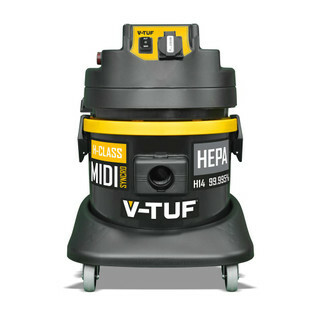
Dust Extractors & Vacuums

Dust extractors keep cutting, drilling, and chasing work under control, so you are not breathing it in or cleaning up for hours after.

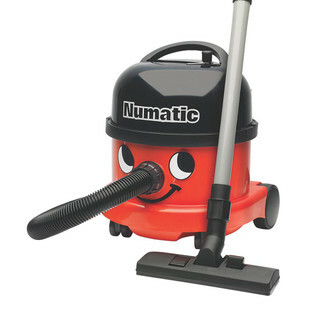
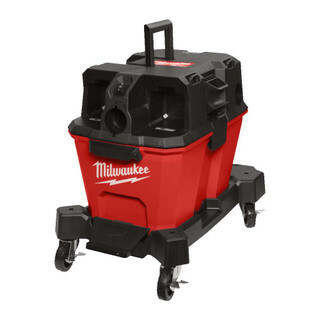
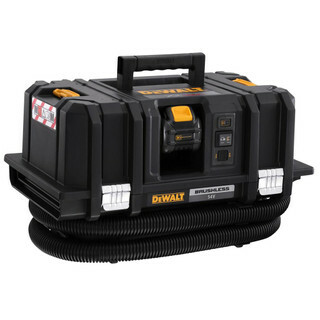
When you are on the grinder all day or chasing out for first fix, dust gets everywhere fast and it is not just mess, it is a health and compliance issue. This range covers proper site vacuums for power tool dust extraction, including m-class extractors for the day to day stuff like concrete, plaster and hardwood, plus HEPA filter vacuums for finer filtration. Pick corded for all day pull, or cordless dust extractors when you are moving room to room with minimal faff.

What Are Dust Extractors Used For?

  • Chasing walls and cutting chases for back boxes where you need power tool dust extraction to keep the room breathable and the client area clean.
  • Grinding concrete, cutting slabs, or drilling masonry all day, using m-class extractors to capture the fine dust that otherwise coats every surface and gets in your lungs.
  • Sanding plaster, fillers, and timber on refurbs, pairing a site vacuum with your sander so you are not sweeping for an hour at the end of the shift.
  • Cleaning out vans, site cabins, and finished rooms with a tough site vacuum that can take rubble, screws, and general site grit without falling apart.
  • Working in occupied buildings or tight internal areas where HEPA filter vacuums help keep fine dust down when the job has to stay tidy.

Choosing the Right Dust Extractors

Match the extractor to the dust you are making and how you actually work on site, not what looks good on paper.

1. M-Class vs Basic Pick-Up

If you are cutting, drilling, or chasing concrete, brick, plaster, or hardwood, go straight to m-class extractors and do not mess about. If it is mainly general tidy-ups and light debris, a standard site vacuum can be fine, but it is not the same thing as proper dust control on the tools.

2. Corded vs Cordless Dust Extractors

If you are plugged into a grinder or wall chaser for long runs, corded makes sense for consistent pull all day. If you are hopping between rooms, doing quick drill-outs, or working where power is a pain, cordless dust extractors save time and keep the setup simple.

3. HEPA Filter Vacuums for Finer Control

If you are working in occupied areas, finished spaces, or you just want the cleanest air you can get, look at HEPA filter vacuums. They are a good step up for fine dust capture, but you still need to size the machine properly so it is not choking or constantly needing attention.

4. Tool Connection and Day-to-Day Practicalities

Make sure the hose and adaptor setup actually fits your tools and does not pop off every five minutes. If you are doing lots of cutting and chasing, an extractor with proper filter cleaning and decent capacity will keep you working instead of stopping to unclog it.

Who Uses Dust Extractors on Site?

  • Sparks and plumbers chasing walls and drilling fixings, because dust control keeps the job cleaner and stops the mess spreading through the property.
  • Chippies, dryliners, and decorators sanding boards and trim, using extractors to keep finishes clean and cut down snagging at the end.
  • Groundworkers and builders drilling and cutting masonry, where m-class extractors are the sensible choice for day to day concrete and brick dust.
  • Facilities and maintenance teams doing reactive work in live buildings, where a cordless dust extractor is handy for quick moves between rooms without trailing leads.

The Basics: Understanding Dust Extractors

A dust extractor is not just a hoover, it is part of the cutting or drilling setup. Get the class and filtration right and you will work cleaner, safer, and quicker.

1. Extractor Class Is About the Dust Type

The class rating tells you what dust the machine is designed to handle. For most building work like concrete, brick, plaster, and hardwood, m-class extractors are the sensible site standard because they are built for that fine, harmful dust you cannot just sweep up.

2. Filtration and HEPA Filter Vacuums

Filtration is what stops the finest dust going straight back into the room. HEPA filter vacuums are aimed at capturing very fine particles, which is useful when you are working in finished areas or anywhere you need dust kept to an absolute minimum.

3. Power Tool Dust Extraction Is About Airflow at the Source

The goal is to catch dust at the guard, shroud, or drill point, not after it has filled the room. A decent setup is the right hose fit, a solid seal on the tool, and enough pull to keep the cut clear while you work.

Dust Extractor Accessories That Make Site Life Easier

The right add-ons stop blockages, improve pick-up at the tool, and keep your extractor working properly week after week.

1. Tool Adaptors and Hose Reducers

These stop the usual bodge-job of tape and loose push-fit connections that fall off mid-cut. Get the right adaptor and your power tool dust extraction actually stays connected and pulls from the shroud like it should.

2. Fleece Dust Bags

A decent bag makes emptying cleaner and helps protect the filter from getting caked up too fast. It is the difference between a quick bag swap and a cloud of dust when you are trying to tip out a drum on a live job.

3. Replacement Filters and HEPA Upgrades

Filters are consumables on real sites, especially with plaster and masonry dust. Keeping a spare on the van stops downtime, and stepping up to HEPA filter vacuums or HEPA filtration where available helps when the job needs finer dust control.

4. Longer Hoses and Extension Wands

A longer hose lets you leave the extractor parked and work around a room without dragging it into door frames and fresh finishes. It is also handy for site vacuums doing van clean-outs and high corners without balancing on something daft.

Why Shop for Dust Extractors at ITS?

Whether you need compact site vacuums, cordless dust extractors for moving job to job, or m-class extractors and HEPA filter vacuums for proper dust control, you can sort it here in one place. We stock the full range in our own warehouse, ready for next day delivery so you are not stood waiting when the job is already booked in.

Dust Extractor FAQs

Do I really need an M Class extractor, or will any site vacuum do?

If you are cutting, drilling, grinding, or chasing concrete, brick, plaster, or hardwood, you want m-class extractors. A basic site vacuum will pick up rubble, but it is not the same level of control for fine, harmful dust on the tools.

Are HEPA filter vacuums worth it on building sites?

Yes, when the job needs finer filtration, like working in occupied buildings, finished areas, or anywhere dust complaints are likely. Just be straight with it, HEPA helps with fine particles, but you still need the right class and a good tool connection for proper power tool dust extraction.

Will a cordless dust extractor keep up with grinders and wall chasers?

For short bursts and moving room to room, cordless dust extractors are a solid solution. For long, continuous cutting and chasing, corded is usually the safer bet for consistent pull and not burning through batteries halfway down a run.

Why does my extractor lose suction halfway through the day?

Nine times out of ten it is a blocked hose, a full bag, or a filter that is caked in fine dust. Keep an eye on the bag level, do not run it without the right bags if the machine expects them, and clean or swap filters as part of normal maintenance, especially after plaster and masonry work.

Do dust extractors fit straight onto any power tool?

Not always, and that is where people get annoyed. Check the hose diameter and the tool port size, because some setups need an adaptor to stop it popping off or leaking air, otherwise your power tool dust extraction will be hit and miss.
Read more

Dust Extractors & Vacuums

Dust extractors keep cutting, drilling, and chasing work under control, so you are not breathing it in or cleaning up for hours after.

When you are on the grinder all day or chasing out for first fix, dust gets everywhere fast and it is not just mess, it is a health and compliance issue. This range covers proper site vacuums for power tool dust extraction, including m-class extractors for the day to day stuff like concrete, plaster and hardwood, plus HEPA filter vacuums for finer filtration. Pick corded for all day pull, or cordless dust extractors when you are moving room to room with minimal faff.

What Are Dust Extractors Used For?

  • Chasing walls and cutting chases for back boxes where you need power tool dust extraction to keep the room breathable and the client area clean.
  • Grinding concrete, cutting slabs, or drilling masonry all day, using m-class extractors to capture the fine dust that otherwise coats every surface and gets in your lungs.
  • Sanding plaster, fillers, and timber on refurbs, pairing a site vacuum with your sander so you are not sweeping for an hour at the end of the shift.
  • Cleaning out vans, site cabins, and finished rooms with a tough site vacuum that can take rubble, screws, and general site grit without falling apart.
  • Working in occupied buildings or tight internal areas where HEPA filter vacuums help keep fine dust down when the job has to stay tidy.

Choosing the Right Dust Extractors

Match the extractor to the dust you are making and how you actually work on site, not what looks good on paper.

1. M-Class vs Basic Pick-Up

If you are cutting, drilling, or chasing concrete, brick, plaster, or hardwood, go straight to m-class extractors and do not mess about. If it is mainly general tidy-ups and light debris, a standard site vacuum can be fine, but it is not the same thing as proper dust control on the tools.

2. Corded vs Cordless Dust Extractors

If you are plugged into a grinder or wall chaser for long runs, corded makes sense for consistent pull all day. If you are hopping between rooms, doing quick drill-outs, or working where power is a pain, cordless dust extractors save time and keep the setup simple.

3. HEPA Filter Vacuums for Finer Control

If you are working in occupied areas, finished spaces, or you just want the cleanest air you can get, look at HEPA filter vacuums. They are a good step up for fine dust capture, but you still need to size the machine properly so it is not choking or constantly needing attention.

4. Tool Connection and Day-to-Day Practicalities

Make sure the hose and adaptor setup actually fits your tools and does not pop off every five minutes. If you are doing lots of cutting and chasing, an extractor with proper filter cleaning and decent capacity will keep you working instead of stopping to unclog it.

Who Uses Dust Extractors on Site?

  • Sparks and plumbers chasing walls and drilling fixings, because dust control keeps the job cleaner and stops the mess spreading through the property.
  • Chippies, dryliners, and decorators sanding boards and trim, using extractors to keep finishes clean and cut down snagging at the end.
  • Groundworkers and builders drilling and cutting masonry, where m-class extractors are the sensible choice for day to day concrete and brick dust.
  • Facilities and maintenance teams doing reactive work in live buildings, where a cordless dust extractor is handy for quick moves between rooms without trailing leads.

The Basics: Understanding Dust Extractors

A dust extractor is not just a hoover, it is part of the cutting or drilling setup. Get the class and filtration right and you will work cleaner, safer, and quicker.

1. Extractor Class Is About the Dust Type

The class rating tells you what dust the machine is designed to handle. For most building work like concrete, brick, plaster, and hardwood, m-class extractors are the sensible site standard because they are built for that fine, harmful dust you cannot just sweep up.

2. Filtration and HEPA Filter Vacuums

Filtration is what stops the finest dust going straight back into the room. HEPA filter vacuums are aimed at capturing very fine particles, which is useful when you are working in finished areas or anywhere you need dust kept to an absolute minimum.

3. Power Tool Dust Extraction Is About Airflow at the Source

The goal is to catch dust at the guard, shroud, or drill point, not after it has filled the room. A decent setup is the right hose fit, a solid seal on the tool, and enough pull to keep the cut clear while you work.

Dust Extractor Accessories That Make Site Life Easier

The right add-ons stop blockages, improve pick-up at the tool, and keep your extractor working properly week after week.

1. Tool Adaptors and Hose Reducers

These stop the usual bodge-job of tape and loose push-fit connections that fall off mid-cut. Get the right adaptor and your power tool dust extraction actually stays connected and pulls from the shroud like it should.

2. Fleece Dust Bags

A decent bag makes emptying cleaner and helps protect the filter from getting caked up too fast. It is the difference between a quick bag swap and a cloud of dust when you are trying to tip out a drum on a live job.

3. Replacement Filters and HEPA Upgrades

Filters are consumables on real sites, especially with plaster and masonry dust. Keeping a spare on the van stops downtime, and stepping up to HEPA filter vacuums or HEPA filtration where available helps when the job needs finer dust control.

4. Longer Hoses and Extension Wands

A longer hose lets you leave the extractor parked and work around a room without dragging it into door frames and fresh finishes. It is also handy for site vacuums doing van clean-outs and high corners without balancing on something daft.

Why Shop for Dust Extractors at ITS?

Whether you need compact site vacuums, cordless dust extractors for moving job to job, or m-class extractors and HEPA filter vacuums for proper dust control, you can sort it here in one place. We stock the full range in our own warehouse, ready for next day delivery so you are not stood waiting when the job is already booked in.

Dust Extractor FAQs

Do I really need an M Class extractor, or will any site vacuum do?

If you are cutting, drilling, grinding, or chasing concrete, brick, plaster, or hardwood, you want m-class extractors. A basic site vacuum will pick up rubble, but it is not the same level of control for fine, harmful dust on the tools.

Are HEPA filter vacuums worth it on building sites?

Yes, when the job needs finer filtration, like working in occupied buildings, finished areas, or anywhere dust complaints are likely. Just be straight with it, HEPA helps with fine particles, but you still need the right class and a good tool connection for proper power tool dust extraction.

Will a cordless dust extractor keep up with grinders and wall chasers?

For short bursts and moving room to room, cordless dust extractors are a solid solution. For long, continuous cutting and chasing, corded is usually the safer bet for consistent pull and not burning through batteries halfway down a run.

Why does my extractor lose suction halfway through the day?

Nine times out of ten it is a blocked hose, a full bag, or a filter that is caked in fine dust. Keep an eye on the bag level, do not run it without the right bags if the machine expects them, and clean or swap filters as part of normal maintenance, especially after plaster and masonry work.

Do dust extractors fit straight onto any power tool?

Not always, and that is where people get annoyed. Check the hose diameter and the tool port size, because some setups need an adaptor to stop it popping off or leaking air, otherwise your power tool dust extraction will be hit and miss.
ITS Click and Collect Icon
What3Words:
Store Opening Hours
Opening times