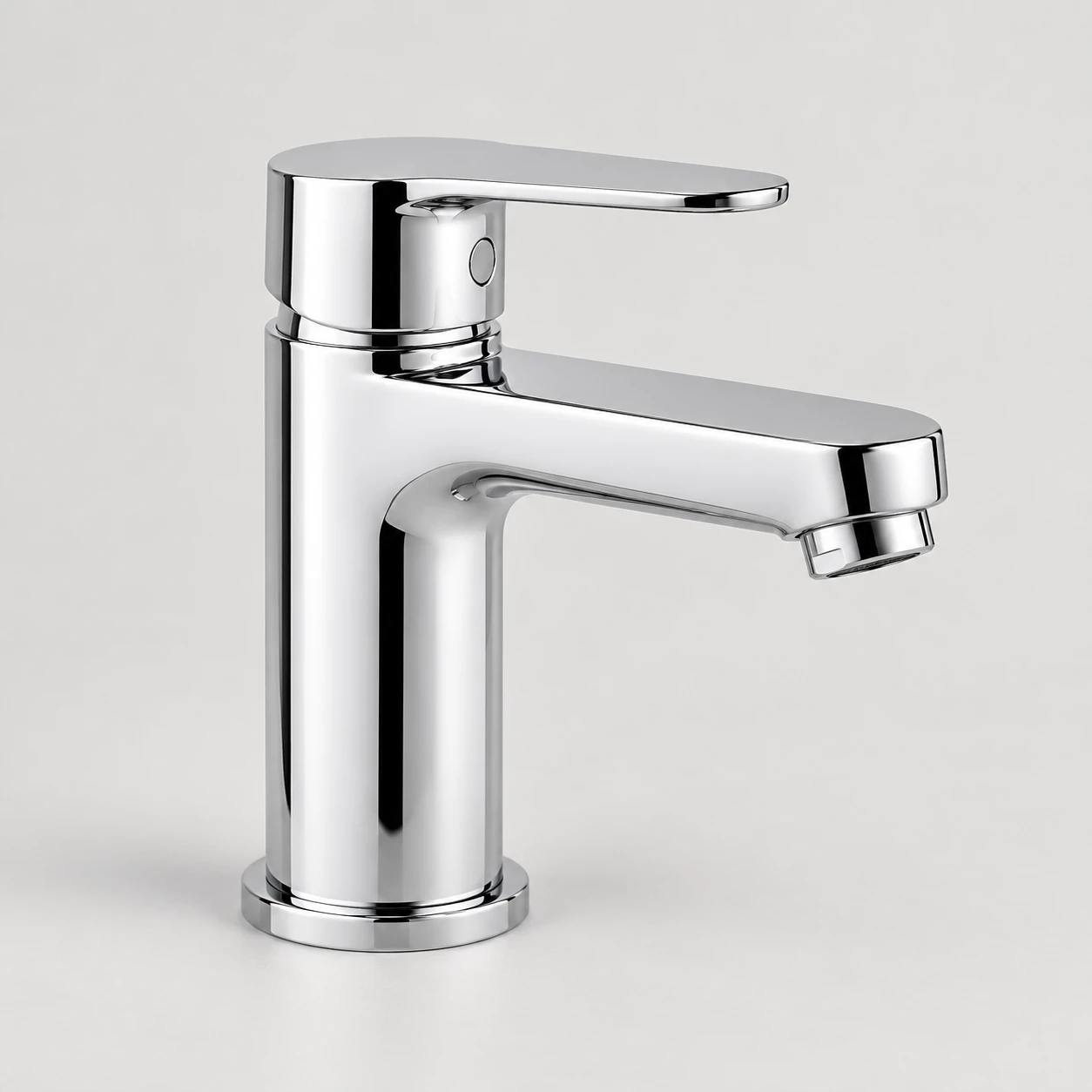
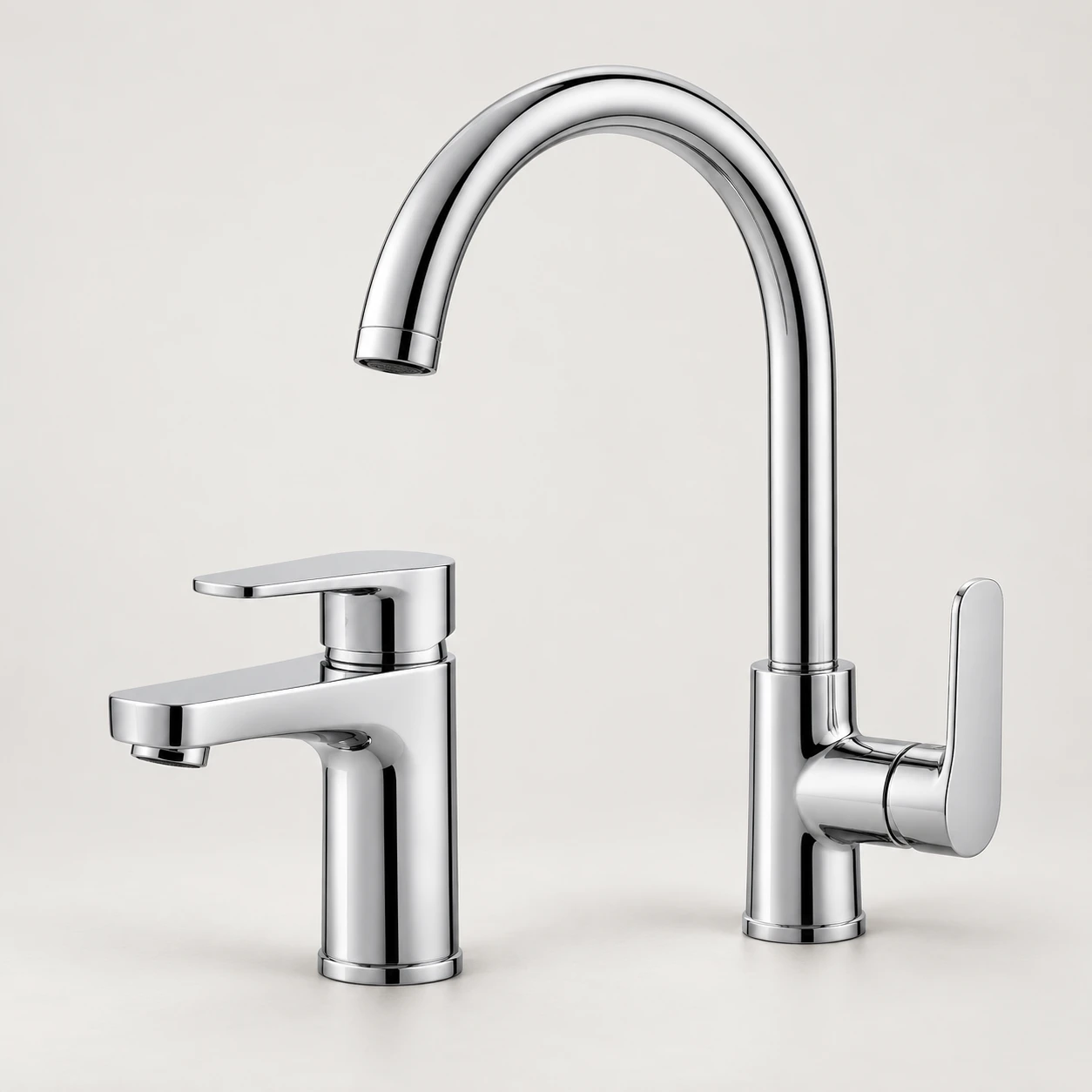
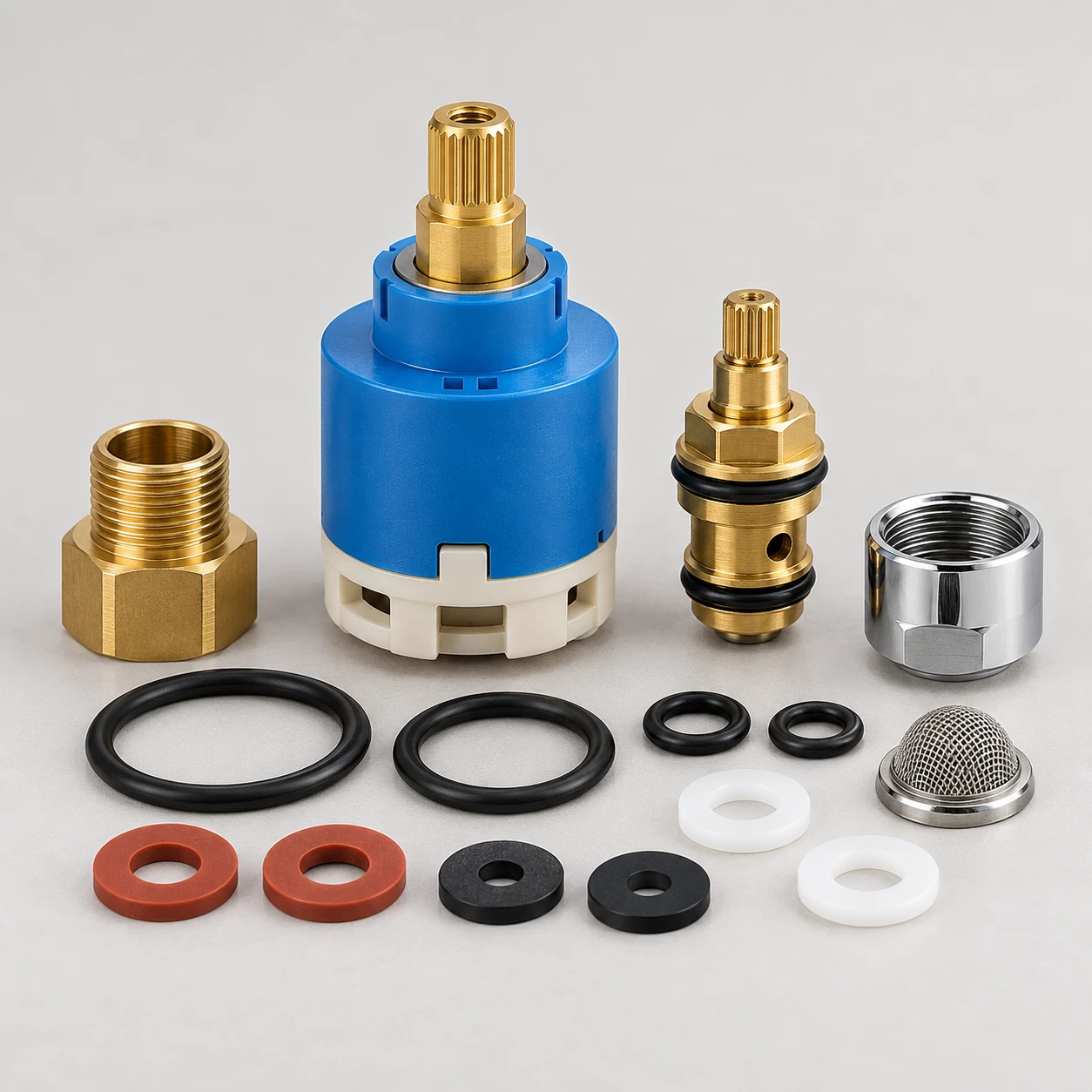
Plugs, Tap Heads and Accessories
Tap heads and sink plugs sort the little failures that turn into call-backs, from worn tops to plugs that never seal right in kitchens and bathrooms.
When a tap keeps dripping or a basin plug will not hold water, this is the first place you look. These tap heads, replacement tap heads, sink plugs and tap accessories are the small parts plumbers keep in the van because they save ripping out decent fittings for the sake of a worn washer or tired mechanism. If you are servicing older brassware or sorting quick snagging jobs, match the fixing, thread and diameter properly, then get the right bits ordered.
What Are Tap Heads Used For?
- Replacing worn tap heads on basin, bath and sink taps stops constant dripping and saves changing the whole fitting when the body is still sound.
- Fitting fresh sink plugs and a new basin plug gets waste outlets sealing properly again, which matters on bathroom refurbs and kitchen snag lists.
- Swapping tap head washers during maintenance visits sorts stiff turning handles and poor shut-off on older hot and cold taps.
- Keeping common tap accessories in the van helps plumbers deal with small domestic call-outs fast without a second trip for basic service parts.
- Matching replacement tap heads to existing tap bodies is a straightforward fix on rental properties and occupied homes where speed matters and downtime needs keeping low.
Choosing the Right Tap Heads
Sorting the right one is simple. Match the thread, fitting style and tap type first, or you will waste time forcing parts that were never going to fit.
1. Match the Existing Tap Body
If the tap body is sound, a replacement tap head is the sensible fix. Take the old one out and compare thread, spline and overall length properly. Close enough is not good enough with tap internals.
2. Washers or Full Head
If it is just a tired seal on an older compression tap, new tap head washers may get you out of trouble. If the head is stiff, worn or damaged inside, fit a full replacement rather than patching it twice.
3. Plug Size Matters
For sink plugs and basin plug parts, measure the waste opening and chain or fitting style before ordering. A plug that is nearly right still leaks, rattles or gets left on the side by the customer.
4. Think About the Room
Bathroom and kitchen fittings are not always interchangeable. If you are working around older suites or existing Bathroom Taps, match the finish and style so the repair does not look like an obvious bodge.
Who Uses These on Site?
- Plumbers use tap heads and tap head washers on service calls where a dripping tap needs sorting quickly without disturbing the full tap set.
- Bathroom fitters keep sink plugs and basin plug parts handy for final fix and snagging, especially when wastes are in but the old plug is missing or not sealing.
- Maintenance teams and landlords swear by replacement tap heads for tenanted properties because they are quicker and cheaper than replacing decent taps for a minor fault.
- Kitchen fitters reach for these tap accessories when refurbing utility rooms and sinks, especially if the customer wants to keep existing brassware rather than start again with new Kitchen Taps.
Tap Accessories That Save a Return Visit
A few small plumbing bits make these repairs cleaner, quicker and far less annoying when you are already on the job.
1. Tap Head Washers
If the head is reusable, fresh tap head washers can stop a drip without changing the whole assembly. Keep the common sizes with you or you will end up stripping the tap twice for the sake of a tiny seal.
2. Plumbing Fixings, Washers & Accessories
Get the small service parts at the same time. A missing washer, backnut or sealing piece is exactly the sort of silly hold-up that turns a ten minute repair into a wasted afternoon.
3. Flexible Hoses
When you are already under the sink, check the feeds. Old or kinked connectors are often the next weak point, so adding Flexible Hoses to the job can save a leak call a week later.
4. Plumbing Tools
Use the right Plumbing Tools for stripping down heads and tightening fittings cleanly. Rounded nuts and scarred chrome usually come from grabbing at small plumbing jobs with whatever is nearest in the bag.
Choose the Right Tap Heads for the Job
Use this quick guide to avoid ordering the wrong service part.
| Your Job | Tap Head Type | Key Features |
|---|---|---|
| Stopping a drip on an older compression tap | Tap head washers | Low cost fix if the head body is still sound and the seal is the only worn part |
| Replacing a stiff or failed hot or cold tap mechanism | Replacement tap heads | Match thread, spline and length to the existing body for a proper shut-off |
| Sorting a sink that will not hold water | Sink plugs | Correct diameter and seating shape matter more than anything else |
| Finishing a bathroom basin repair | Basin plug | Pick the right size and fitting style so it seals cleanly in the waste |
| General snagging and service work | Tap accessories | Useful for quick fixes, small replacements and keeping older taps working longer |
Common Buying and Usage Mistakes
- Guessing the size or thread of a replacement tap head usually ends with a wasted order and a tap still out of action. Take the old part out first and match it properly.
- Changing only the washer when the whole tap head is worn is false economy. If the mechanism is sloppy or stiff, fit a full head and stop the repeat call.
- Assuming all sink plugs are universal causes leaks and poor sealing. Measure the waste opening and check the plug type before you buy.
- Overtightening small tap fittings can crack older bodies or damage threads. Nip them up properly and test, rather than leaning on them like a radiator tail.
- Ignoring the condition of nearby seals, hoses and washers means one fix turns into the next leak. While you are in there, inspect the surrounding service parts as well.
Replacement Tap Heads vs Tap Head Washers vs Sink Plugs
Replacement Tap Heads
Best when the internals are worn, the tap is stiff to turn, or shut-off is poor even after changing seals. They cost more than a washer but save time if the whole head is past it.
Tap Head Washers
The right call for older compression taps with a simple drip caused by a tired seal. Cheap and worth keeping stocked, but only if the rest of the tap head is still in decent order.
Sink Plugs
These solve sealing problems at the waste, not drips from the tap itself. If the complaint is the sink or basin will not hold water, this is where you look first.
When to Replace the Whole Tap
If the body is damaged, heavily worn or too obscure to match parts, a repair can become a time sink. At that point, new taps are often the cleaner answer than chasing odd service parts.
Maintenance and Care
Clean Before You Fit
Clear scale, grit and old seal debris from the tap body and waste before fitting new parts. Even a good replacement will not seal properly against a dirty seat.
Check Washers and Seats
If you are fitting tap head washers, inspect the seating surface as well. A fresh washer against a damaged seat rarely lasts long and the drip soon comes back.
Store Small Parts Properly
Keep replacement tap heads, sink plugs and washers sorted by size in labelled boxes. Loose plumbing bits rolling around the van get mixed up, marked up or lost.
Do Not Force Old Threads
Older tap bodies can be soft or corroded. Start everything by hand and stop if it does not seat cleanly, because cross-threading a small repair part can turn into a full replacement job.
Replace When Wear Is Obvious
If the splines are stripped, the mechanism is rough or the plug rubber has gone hard, do not try to nurse it through. Small service parts are there to stop comebacks, not create them.
Why Shop for Tap Heads at ITS?
Whether you need replacement tap heads, sink plugs, tap head washers or other small tap accessories, we stock the proper range for service work, repairs and snagging jobs. It is all held in our own warehouse, ready for next day delivery, so you can get the right plumbing bits on site without hanging around.
Tap Heads and Sink Plugs FAQs
What are tap heads used for?
Tap heads control the opening and closing of traditional hot and cold taps. In real terms, they are the service part that often fixes dripping, poor shut-off or stiff turning without replacing the full tap.
How do I know what size replacement tap head I need?
Take the old head out and match the thread, spline, fitting style and overall length. Do not guess from the outside of the tap. Two heads can look similar from above and still be completely wrong once stripped down.
Do sink plugs come in universal sizes?
No, not really. There are common sizes, but not every sink plug or basin plug is interchangeable. Measure the waste opening and check the plug seating properly or you will end up with one that never seals right.
Is it worth changing a washer first, or should I replace the whole tap head?
If the tap is an older compression type and the rest of the head is still sound, changing the washer is worth doing. If the head is stiff, worn, loose or scored inside, fit a full replacement and save yourself doing the same job twice.
Will these parts fit both kitchen and bathroom taps?
Sometimes, but not by default. Plenty of older and modern taps use different fittings, so always match the internal part rather than assuming a kitchen tap and basin tap take the same head.
Can I repair a dripping tap without replacing the full fitting?
Yes, often you can. That is exactly why plumbers carry tap heads, washers and small service parts. If the main body is still in good nick, a simple internal replacement usually gets it sorted.