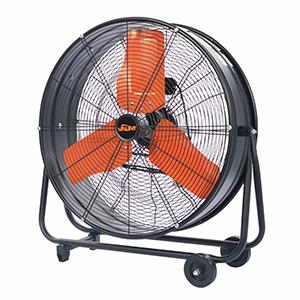
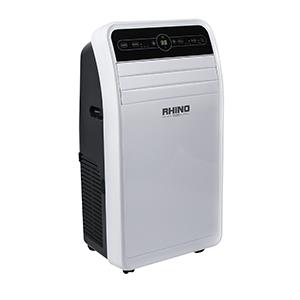
Fans & Air Con
Fans and air conditioning keep work areas usable when heat builds up, air goes stale, or moisture starts causing problems on site or in occupied spaces.
When you're working through summer fit-outs, boiler cupboard installs, loft jobs or busy refurb spaces, decent fans and air conditioning stop the place turning into a sweatbox. This kit is built for moving air, pulling heat out and making rooms bearable for trades, staff and tenants. If you need Air Conditioners, fast air-moving Fans, moisture control from Dehumidifiers, balanced air from Humidifiers or seasonal backup from Heaters, pick the unit to suit the room size and the job, then get it sorted.
What Are Fans and Air Conditioning Used For?
- Cooling down site offices, welfare cabins and occupied work areas keeps lads productive when the heat builds up and the air starts feeling dead by mid-afternoon.
- Working in lofts, plant rooms and first-fix spaces is more manageable with cooling fans shifting hot stagnant air where opening a window does next to nothing.
- Drying out decorated rooms, fresh plaster areas and damp-prone refurb spaces is quicker when air movement and temperature control are properly managed.
- Keeping tenants, staff and clients comfortable during maintenance, fit-out and shutdown work helps avoid complaints when you are on the job in warm weather.
- Using a portable air conditioner in server rooms, small offices or temporary spaces gives you targeted cooling without having to wait for fixed HVAC work.
Choosing the Right Fans and Air Conditioning
Sorting the right setup is simple. Match the unit to the room, the heat load and whether you need airflow or proper cooling.
1. Fan or Air Con
If the room is just stuffy and you need air moving, a fan usually does the job and costs less to run. If the space is genuinely overheating, a fan only pushes warm air about, so you need an air con unit that actually removes heat.
2. Room Size Matters
Do not undersize it. A small portable air conditioner in a big open office or sun-hit room will run flat out and still struggle. For larger areas, look at the stated room coverage and go up a level if there is heavy footfall, poor ventilation or warm equipment in the room.
3. Portable or Fixed Need
If you are moving between rooms, short-term hire jobs or temporary welfare setups, go portable so you can wheel it where the problem is. If the same room bakes every year, you may be better served by a more permanent solution.
4. Moisture and Ventilation
If the issue is damp air as much as heat, look at dehumidifying as well as cooling. In drying-out jobs, airflow alone helps, but pairing the right unit with proper moisture control saves a lot of waiting around.
Who Uses These on Site?
- Plumbers and heating engineers use fans and air conditioning when plant rooms, loft spaces and airing cupboard jobs get too hot to work in properly.
- Electricians reach for air con units during board changes, cable pulls and testing in stuffy commercial rooms where heat builds up around equipment.
- Decorators and property maintenance teams use cooling fans and airflow kit to help rooms dry out between coats and keep occupied areas usable.
- Facilities teams and site managers keep portable air conditioner units on hand for offices, welfare areas and temporary setups where people still need to work through the heat.
- Landlords and refurb crews use them on turnaround jobs to make vacant flats, offices and managed spaces more comfortable while other trades are still finishing up.
The Basics: Understanding Fans and Air Conditioning
These units do different jobs. One moves air round the room, the other actually lowers the temperature. That is the bit that matters when you are choosing.
1. Fans Move Air
Cooling fans do not remove heat from the room. What they do is improve airflow, stop hot air sitting still and make close working conditions feel more bearable, especially in lofts, cabins and smaller rooms.
2. Air Con Units Remove Heat
A portable air conditioner pulls warmth out of the air, which is why it can genuinely cool a room rather than just circulate it. That makes it the better option for offices, occupied rooms and enclosed spaces that stay hot all day.
3. Moisture Changes the Feel of a Room
Humidity makes spaces feel hotter and slows drying times. In damp refurb rooms or badly ventilated properties, controlling moisture as well as temperature gives you a room that is easier to work in and quicker to turn around.
Useful Extras for Fans and Air Conditioning
A few sensible add-ons save time, make setup easier and stop the unit becoming a faff halfway through the job.
1. Extension Leads
This stops you wedging the unit in the wrong corner just because that is where the nearest socket is. On site offices, cabins and refurbs, proper reach makes a big difference to where the airflow actually lands.
2. Condensate Drain Options
If the unit supports drainage, sort it early. It saves you from stopping work to empty collected water, especially in humid rooms where the tank fills faster than you think.
3. Replacement Filters
Dusty jobs clog filters quickly. Keeping spares means the unit keeps shifting air properly instead of dragging in plaster dust and losing performance when you need it most.
Choose the Right Fans and Air Conditioning for the Job
Use this quick guide to match the unit to the room and the problem.
| Your Job | Category or Type | Key Features |
|---|---|---|
| Cooling a small office or site cabin | Portable air conditioner | Proper temperature drop, compact footprint, easy positioning near a window or outlet point |
| Moving stale air in lofts and tight work areas | Cooling fan | High airflow, simple controls, easy to carry room to room |
| Keeping occupied refurb rooms bearable | Air con unit | Steady cooling, lower noise, suitable for people working or living in the space |
| Helping paint, plaster or damp rooms dry out | Fan with moisture control support | Consistent air movement, pairs well with dehumidifying, useful on turnaround jobs |
| Temporary cooling during shutdowns or summer callouts | Portable air conditioner | Wheels for movement, quick setup, targeted cooling where fixed systems are not in place |
Common Buying and Usage Mistakes
- Buying a fan when the room actually needs active cooling is a common one. It will move air about, but it will not bring the temperature down in a properly hot room, so check what problem you are really solving.
- Undersizing a portable air conditioner for a large room leaves it running constantly with poor results. Always match the unit to the room size and allow extra capacity for sun, warm machinery or lots of people.
- Ignoring ventilation and moisture means the room can still feel grim even with airflow. If heat comes with damp, stale air, look at the full environment rather than one fix.
- Sticking the unit wherever there is a socket instead of where the airflow is needed wastes performance. Position it to cool the working area, not the corner nobody is standing in.
- Forgetting filter cleaning on dusty jobs chokes the machine and cuts efficiency. Check filters regularly if the unit is running around plaster, timber dust or general site muck.
Portable Air Conditioner vs Cooling Fan vs Dehumidifier
Portable Air Conditioner
This is the one to buy if the room is genuinely too hot to work in. It removes heat rather than just moving air, so it suits offices, enclosed work areas and occupied rooms where comfort actually matters.
Cooling Fan
A fan is the simpler option for shifting stale air and making hot spaces feel less oppressive. It is cheaper and easier to move about, but in a room that is already baking, it will not replace proper air con.
Dehumidifier
This is not mainly for cooling. It is for pulling moisture out of the air, which helps drying times and makes damp rooms feel less muggy. Best used where condensation, plaster drying or water damage is part of the problem.
Maintenance and Care
Keep Filters Clean
Dust is the usual killer on site. Check and clean filters regularly so airflow stays strong and the unit is not dragging muck through the system.
Empty Water Where Needed
Some air con units collect condensate, especially in humid rooms. Do not ignore it, because once full, performance drops and you end up stopping to sort it mid-job.
Wipe Down Grilles and Housings
Plaster dust, fluff and site grime build up fast on intakes and outlets. A quick clean after use helps stop blockages and keeps the machine looking fit for occupied spaces.
Store Them Upright
Portable units do better stored and moved upright where possible. Throwing them on their side in the van is asking for leaks, knocks and hassle when you next power up.
Replace Worn Units Before They Start Costing Time
If the motor is struggling, airflow is poor and noise is getting worse, do not keep nursing it through another summer. Old cooling kit wastes power and still leaves the room uncomfortable.
Why Shop for Fans and Air Conditioning at ITS?
Whether you need compact air con units for a single office, portable air conditioner options for temporary cooling, or cooling fans for site airflow, we stock the full range. It is all in our own warehouse, in stock and ready for next day delivery, so you can get the room sorted without hanging about.
Fans and Air Conditioning FAQs
What fans and air con products does ITS stock?
ITS stocks a practical range for heating, cooling and air quality jobs, including fans and air conditioning, air con units, portable air conditioner models, cooling fans and related room treatment kit. That means you can sort anything from a stuffy office to a damp refurb room without piecing the order together from three places.
Are portable air conditioners effective in large rooms?
Yes, but only if you size them properly. In a large room, a small portable air conditioner will struggle, especially with lots of people, direct sun or warm equipment running. Check the room coverage properly and, if the space is borderline, go up a size rather than hoping for the best.
Do cooling fans actually lower the room temperature?
No, not in the true sense. Cooling fans move air and make a hot room feel less stuffy, which helps when you are working in it, but they do not remove heat like air con units do.
Are these suitable for site use or just home and office spaces?
A lot of them are used the same way on site as they are in domestic or commercial rooms. They are handy for site cabins, refurbs, drying-out jobs, loft work and temporary cooling, but you still need to choose something suited to the dust, movement and abuse of the environment.
Do portable air con units need much maintenance?
Not loads, but ignore the basics and performance drops off quickly. Keep the filters clean, check any water collection if the room is humid, and do not leave the unit full of dust after a job in a plaster-heavy space.