Makita Saws Makita Saws

Makita Saws

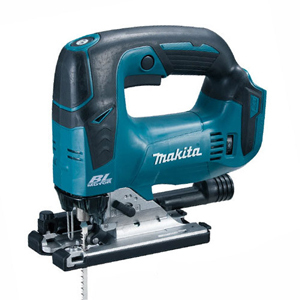
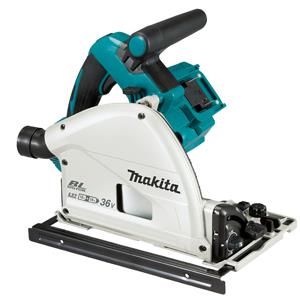
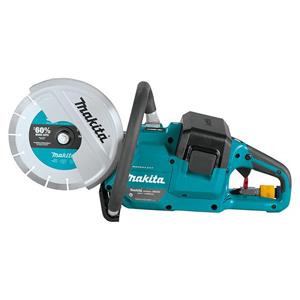
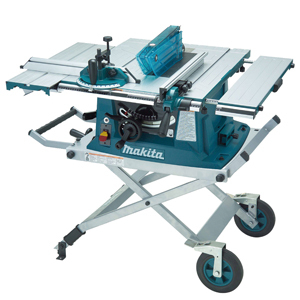
Makita saws are for fast, straight cutting on site, from ripping sheet and stud to clean cross-cuts and plunge work.

When you're framing, flooring, roofing or just breaking down boards all day, a decent makita saw saves time and keeps cuts true. This range covers Makita saws cordless and electric saws, including the rip snorter style for timber and options for metal. Match the blade size and battery to what you cut most, then get the right saw on the van and crack on.

What Are Makita Saws Used For?

  • Ripping down OSB, ply and CLS on first fix when you need a makita rip saw that tracks straight without fighting the cut.
  • Cutting sheet goods to size in the van or on trestles where a Makita saw 18V keeps you moving without dragging leads through fresh work.
  • Trimming doors, worktops and flooring runs when you need a clean line and repeatable depth rather than chewing edges up with a blunt blade.
  • Knocking through metal trunking, stud and thin section with a makita metal saw set up with the right blade so it cuts clean and doesn't snatch.
  • Quick on-the-spot cuts for snagging and refurbs where a makita hand saw style compact saw is easier than hauling big kit through occupied areas.

Choosing the Right Makita Saw

Sorting the right saw is simple: match it to what you cut most, and how long you're on it each day.

1. Timber ripping vs general cutting

If you're mostly ripping sheet and stud, look at a dedicated makita rip saw or makita rip snorter style setup with a ripping blade. If you're doing mixed work, a standard circular saw with the right blade swap will cover more jobs without carrying extra kit.

2. 18V cordless vs electric

If you're in and out of rooms, lofts, roofs or outside work, makita saws cordless make life easier and safer than trailing leads. If you're parked up cutting all day in one spot, makita electric saws can be the steady choice when you don't want to think about charging.

3. Blade size and depth of cut

If you're regularly going through thicker timber, check the max depth at 90 degrees and don't guess. For sheet goods and second fix trimming, a smaller blade is lighter in the hand and easier to control for cleaner work.

4. Battery capacity for real ripping

If you're buying a makita rip saw 18v or makita 18v ripsaw for constant ripping, don't under-battery it. Bigger Ah packs give you fewer bog-downs and less swapping, especially when the blade starts working hard in wet or treated timber.

Makita Saws FAQs

Which Makita circular saw is best?

Pick it by what you cut most. For constant sheet and stud ripping, go for a makita rip saw style model with the depth and torque to stay straight. For mixed second fix and trimming, a lighter circular saw with easy depth and bevel adjustment is usually the better day to day choice.

Are 18V circular saws any good?

Yes, if you treat them like site tools and set them up right. A sharp blade and a decent Ah battery make a bigger difference than people think, and they're ideal for refurbs and first fix where dragging leads is a pain. If you're cutting all day in one spot, mains can still be the steady option.

Is 18V enough for a circular saw?

For most timber and sheet work, yes, and plenty of lads run a makita saw 18v as their main cutter. Where it can struggle is thick, wet, treated timber or long ripping runs on a small battery. If you're buying a makita rip saw 18v for heavy ripping, budget for higher Ah packs and keep blades fresh.

What is a Makita rip snorter or rip snorter saw meant for?

It's basically a no-nonsense ripping setup built for chewing through timber and sheet quickly. It's the sort of makita rip snorter people reach for on first fix when speed matters, but you still want the cut to stay true without bogging down.

Can I use a Makita wood saw to cut metal as well?

Not with a standard wood blade, no. If you need to cut metal, use a makita metal saw or fit a blade that is properly rated for the material and thickness you're cutting. That's how you avoid snatching, wrecked blades, and rough edges that need loads of dressing back.

Do Makita saws cordless burn through batteries when ripping?

They can do, because ripping is a heavy load. If your makita ripsaw feels like it's dying fast, it's usually a small battery, a blunt blade, or you're forcing the feed. Step up the Ah, keep the blade sharp, and let the saw do the work.

Who Are Makita Saws For on Site?

  • Chippies and roofers ripping timber and sheet all week, especially when a makita rip snorter or makita ripsaw is the difference between cracking on and wrestling cuts.
  • Joiners and kitchen fitters needing controlled, accurate cuts for scribing, trimming and finishing without blowing out laminates.
  • Groundworkers and maintenance teams breaking down materials and doing quick repairs, where a battery saw makita keeps the job moving away from power.
  • Sparks and HVAC fitters cutting tray, stud and sheet on refurbs, where a compact makita saw battery setup is easier to carry room to room.

The Basics: Understanding Makita Saws

Most of the choice comes down to cut type, blade, and power. Get those three right and the saw works with you instead of fighting you.

1. Rip cutting vs cross cutting

Ripping is cutting with the grain and it loads the motor harder, which is why a makita rip saw feels different to a general saw. Cross cutting is easier on the tool, but it shows up a poor blade fast with tear-out and rough edges.

2. Cordless power in the real world

A makita saw 18v is about keeping torque up under load, not just spinning fast. If you're ripping all day, battery size and a sharp blade matter more than anything, because a struggling saw will wander and burn the cut.

3. Blade choice makes or breaks it

A makita wood saw wants the right tooth count for the finish you need, while a makita metal saw needs the correct rated blade so it cuts clean and doesn't grab. Most "this saw is weak" complaints are really a wrong or blunt blade.

Makita Saw Accessories That Save You Time on Site

The right add-ons stop rough cuts, wasted boards, and constant battery swaps when you're mid-run.

1. Ripping and finishing blades

Keep a proper ripping blade for sheet and stud, and a finer blade for clean trims, because one "do-it-all" blade is how you end up with burn marks and chipped edges on the last cut of the day.

2. Guide rails and straight edges

A guide stops the saw wandering when you're breaking down full sheets, which is where most waste happens. It also means you can cut accurately without clamping a bit of scrap every time.

3. Spare 18V batteries and a fast charger

If you're running a makita saw battery setup, a second pack is the difference between finishing a run and standing around waiting. Ripping drains packs quicker than people expect, especially in thicker timber.

4. Dust extraction adaptor or compatible hose

Hooking up extraction keeps your cut line visible and stops the worst of the mess in finished areas, which is what clients notice first on refurbs and handovers.

Why Shop for Makita Saws at ITS?

Whether you need a compact makita hand saw style cutter, a full-size makita wood saw for daily ripping, or makita electric saws for bench work, we stock the range in one place. It's all held in our own warehouse, ready for next day delivery so you're not losing a shift waiting for kit.
Read more

Makita Saws

Makita saws are for fast, straight cutting on site, from ripping sheet and stud to clean cross-cuts and plunge work.

When you're framing, flooring, roofing or just breaking down boards all day, a decent makita saw saves time and keeps cuts true. This range covers Makita saws cordless and electric saws, including the rip snorter style for timber and options for metal. Match the blade size and battery to what you cut most, then get the right saw on the van and crack on.

What Are Makita Saws Used For?

  • Ripping down OSB, ply and CLS on first fix when you need a makita rip saw that tracks straight without fighting the cut.
  • Cutting sheet goods to size in the van or on trestles where a Makita saw 18V keeps you moving without dragging leads through fresh work.
  • Trimming doors, worktops and flooring runs when you need a clean line and repeatable depth rather than chewing edges up with a blunt blade.
  • Knocking through metal trunking, stud and thin section with a makita metal saw set up with the right blade so it cuts clean and doesn't snatch.
  • Quick on-the-spot cuts for snagging and refurbs where a makita hand saw style compact saw is easier than hauling big kit through occupied areas.

Choosing the Right Makita Saw

Sorting the right saw is simple: match it to what you cut most, and how long you're on it each day.

1. Timber ripping vs general cutting

If you're mostly ripping sheet and stud, look at a dedicated makita rip saw or makita rip snorter style setup with a ripping blade. If you're doing mixed work, a standard circular saw with the right blade swap will cover more jobs without carrying extra kit.

2. 18V cordless vs electric

If you're in and out of rooms, lofts, roofs or outside work, makita saws cordless make life easier and safer than trailing leads. If you're parked up cutting all day in one spot, makita electric saws can be the steady choice when you don't want to think about charging.

3. Blade size and depth of cut

If you're regularly going through thicker timber, check the max depth at 90 degrees and don't guess. For sheet goods and second fix trimming, a smaller blade is lighter in the hand and easier to control for cleaner work.

4. Battery capacity for real ripping

If you're buying a makita rip saw 18v or makita 18v ripsaw for constant ripping, don't under-battery it. Bigger Ah packs give you fewer bog-downs and less swapping, especially when the blade starts working hard in wet or treated timber.

Makita Saws FAQs

Which Makita circular saw is best?

Pick it by what you cut most. For constant sheet and stud ripping, go for a makita rip saw style model with the depth and torque to stay straight. For mixed second fix and trimming, a lighter circular saw with easy depth and bevel adjustment is usually the better day to day choice.

Are 18V circular saws any good?

Yes, if you treat them like site tools and set them up right. A sharp blade and a decent Ah battery make a bigger difference than people think, and they're ideal for refurbs and first fix where dragging leads is a pain. If you're cutting all day in one spot, mains can still be the steady option.

Is 18V enough for a circular saw?

For most timber and sheet work, yes, and plenty of lads run a makita saw 18v as their main cutter. Where it can struggle is thick, wet, treated timber or long ripping runs on a small battery. If you're buying a makita rip saw 18v for heavy ripping, budget for higher Ah packs and keep blades fresh.

What is a Makita rip snorter or rip snorter saw meant for?

It's basically a no-nonsense ripping setup built for chewing through timber and sheet quickly. It's the sort of makita rip snorter people reach for on first fix when speed matters, but you still want the cut to stay true without bogging down.

Can I use a Makita wood saw to cut metal as well?

Not with a standard wood blade, no. If you need to cut metal, use a makita metal saw or fit a blade that is properly rated for the material and thickness you're cutting. That's how you avoid snatching, wrecked blades, and rough edges that need loads of dressing back.

Do Makita saws cordless burn through batteries when ripping?

They can do, because ripping is a heavy load. If your makita ripsaw feels like it's dying fast, it's usually a small battery, a blunt blade, or you're forcing the feed. Step up the Ah, keep the blade sharp, and let the saw do the work.

Who Are Makita Saws For on Site?

  • Chippies and roofers ripping timber and sheet all week, especially when a makita rip snorter or makita ripsaw is the difference between cracking on and wrestling cuts.
  • Joiners and kitchen fitters needing controlled, accurate cuts for scribing, trimming and finishing without blowing out laminates.
  • Groundworkers and maintenance teams breaking down materials and doing quick repairs, where a battery saw makita keeps the job moving away from power.
  • Sparks and HVAC fitters cutting tray, stud and sheet on refurbs, where a compact makita saw battery setup is easier to carry room to room.

The Basics: Understanding Makita Saws

Most of the choice comes down to cut type, blade, and power. Get those three right and the saw works with you instead of fighting you.

1. Rip cutting vs cross cutting

Ripping is cutting with the grain and it loads the motor harder, which is why a makita rip saw feels different to a general saw. Cross cutting is easier on the tool, but it shows up a poor blade fast with tear-out and rough edges.

2. Cordless power in the real world

A makita saw 18v is about keeping torque up under load, not just spinning fast. If you're ripping all day, battery size and a sharp blade matter more than anything, because a struggling saw will wander and burn the cut.

3. Blade choice makes or breaks it

A makita wood saw wants the right tooth count for the finish you need, while a makita metal saw needs the correct rated blade so it cuts clean and doesn't grab. Most "this saw is weak" complaints are really a wrong or blunt blade.

Makita Saw Accessories That Save You Time on Site

The right add-ons stop rough cuts, wasted boards, and constant battery swaps when you're mid-run.

1. Ripping and finishing blades

Keep a proper ripping blade for sheet and stud, and a finer blade for clean trims, because one "do-it-all" blade is how you end up with burn marks and chipped edges on the last cut of the day.

2. Guide rails and straight edges

A guide stops the saw wandering when you're breaking down full sheets, which is where most waste happens. It also means you can cut accurately without clamping a bit of scrap every time.

3. Spare 18V batteries and a fast charger

If you're running a makita saw battery setup, a second pack is the difference between finishing a run and standing around waiting. Ripping drains packs quicker than people expect, especially in thicker timber.

4. Dust extraction adaptor or compatible hose

Hooking up extraction keeps your cut line visible and stops the worst of the mess in finished areas, which is what clients notice first on refurbs and handovers.

Why Shop for Makita Saws at ITS?

Whether you need a compact makita hand saw style cutter, a full-size makita wood saw for daily ripping, or makita electric saws for bench work, we stock the range in one place. It's all held in our own warehouse, ready for next day delivery so you're not losing a shift waiting for kit.
ITS - All The Tools You Need Click and Collect Icon
What3Words:
Store Opening Hours
Opening times