




Makita Pneumatic (Air) Tools Makita Pneumatic (Air) Tools

Makita Pneumatic (Air) Tools

Makita pneumatic air tools are for fast, repeat jobs where cordless can't keep up, from nailing and stapling to blowing down and tyre work.

When you're on second-fix or running a bench all day, air tools keep the pace up without waiting on batteries. Makita's range is made to take site knocks, run smoothly off a decent compressor, and stay consistent shot after shot. Pick the right tool for your fixings, match it to your airline and fittings, and get kitted up for a cleaner, quicker workflow.

What Jobs Are Makita Pneumatic Air Tools Best At?

  • Fixing skirting, architrave, and trims on second-fix where you need clean placement and repeat shots without stopping to swap batteries.
  • Running staples and brads into sheet materials and softwood on joinery and fit-out jobs when speed matters and you want a tidy finish.
  • Blowing down benches, housings, and site gear at the end of the day so you are not dragging dust back into the van or the customer's space.
  • Inflating and checking tyres on vans, trailers, and plant with proper control, especially when you are doing weekly yard checks or call-outs.

Choosing the Right Makita Pneumatic Air Tool

Sort the tool to the job and the air supply first, because the wrong combo is what causes misfires, slow cycling, and constant trips back to the compressor.

1. The job and fixing type

If you are on trims and delicate mouldings, stick with brads and pins so you are not spending half the day filling. If you are fixing heavier timber or sheet where it needs to stay put, step up to a nailer that matches the gauge and length you actually use on site.

2. Compressor output and airline set-up

If your compressor cannot keep up with the tool's air demand, it will feel sluggish and you will get inconsistent shots. Make sure your hose bore, couplers, and regulator are sized properly and set to the pressure the tool wants, not just "as high as it goes".

3. Site practicality

If you are moving room to room, a lighter tool and a sensible hose length stops you fighting the line all day. If you are bench-based or doing repetitive runs, prioritise comfort and fast reloads because that is what saves time over a full shift.

Makita Pneumatic Air Tools FAQs

Do I need a big compressor to run Makita pneumatic air tools properly?

You do not always need a massive unit, but you do need enough airflow and tank capacity for the tool you are using. If you are firing frequently, a small compressor will keep cutting in and you will feel the tool slow down, so check the tool's air demand and size the compressor to suit the workload.

Why does my air nailer misfire or not sink fixings flush?

Nine times out of ten it is set-up, not the gun. Low pressure at the tool, a restrictive hose or coupler, or a regulator set wrong will cause weak shots, and the wrong fixings can cause jams and inconsistent feeding.

Are pneumatic air tools better than cordless for site work?

They are better when you are doing lots of repeat fixings and you have a compressor set up, because performance stays consistent and you are not rotating batteries. Cordless wins when you are moving constantly or working where dragging a hose is a pain.

Will standard airline fittings fit Makita pneumatic tools?

Most setups are straightforward, but fittings vary and that is where leaks and pressure drop come from. Match your couplers to your hose and compressor, and keep it consistent across your kit so you are not bodging adaptors on site.

Do air tools need much maintenance to keep them reliable?

Not loads, but the basics matter. Keep the tool clean, drain the compressor tank so you are not pushing water through the line, and sort leaks early because they hammer the compressor and make the tool feel weak.

Who Uses Makita Pneumatic Air Tools?

  • Chippies and joiners doing second-fix and fit-out work because air nailers and staplers keep the job moving and leave a neater finish with less faff.
  • Shopfitters and kitchen fitters who are firing fixings all day and want consistent performance without carrying a stack of charged batteries.
  • Maintenance teams and site managers for quick blow-downs, tyre checks, and keeping work areas presentable before handover.

The Basics: Understanding Pneumatic Air Tools

Air tools are simple when the set-up is right: clean, regulated air drives the mechanism, so you get repeat power without battery fade. These basics stop most of the usual headaches.

1. Pressure and regulation

The regulator controls how hard the tool hits. Too low and it will not seat fixings properly, too high and you risk over-driving and extra wear. Set it to suit the material and the fixing, then leave it alone.

2. Airflow and recovery time

Some jobs are short bursts, others are constant firing. If the compressor tank and airflow cannot recover fast enough, the tool will slow down and start misbehaving, so match the tool to what your compressor can realistically supply.

3. Moisture and maintenance

Water in the line is what kills performance and rusts internals. Drain the tank, use a filter if you are working in damp conditions, and keep the tool clean so it cycles properly day after day.

Air Tool Accessories That Stop Downtime

The tool is only half the story with air, because most problems come from hoses, fittings, and dirty air rather than the gun itself.

1. Air hose and quick couplers

A decent bore hose and matching quick-release fittings stop pressure drop and annoying slow cycling, and they also cut down on leaks that have your compressor running non-stop.

2. Regulator and filter

A proper regulator lets you set the tool to the material instead of guessing, and a filter helps keep water and muck out of the line so you are not chasing misfires and sticking triggers.

3. Correct fixings and consumables

Buy the right nails, brads, or staples for the tool and the timber, because the wrong collation or size is the quickest way to jam a gun and waste a morning clearing it out.

Shop Makita Pneumatic Air Tools at ITS

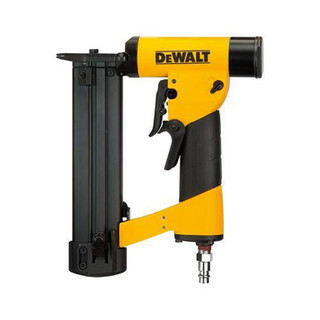
Whether you need a nailer for second-fix, a stapler for fit-out, or air kit for blowing down and tyre work, we stock a proper range of Makita pneumatic air tools and the essentials to run them. It is all held in our own warehouse, in stock and ready for next day delivery so you can get back on the job without waiting around.

Read more

Makita Pneumatic (Air) Tools

Makita pneumatic air tools are for fast, repeat jobs where cordless can't keep up, from nailing and stapling to blowing down and tyre work.

When you're on second-fix or running a bench all day, air tools keep the pace up without waiting on batteries. Makita's range is made to take site knocks, run smoothly off a decent compressor, and stay consistent shot after shot. Pick the right tool for your fixings, match it to your airline and fittings, and get kitted up for a cleaner, quicker workflow.

What Jobs Are Makita Pneumatic Air Tools Best At?

  • Fixing skirting, architrave, and trims on second-fix where you need clean placement and repeat shots without stopping to swap batteries.
  • Running staples and brads into sheet materials and softwood on joinery and fit-out jobs when speed matters and you want a tidy finish.
  • Blowing down benches, housings, and site gear at the end of the day so you are not dragging dust back into the van or the customer's space.
  • Inflating and checking tyres on vans, trailers, and plant with proper control, especially when you are doing weekly yard checks or call-outs.

Choosing the Right Makita Pneumatic Air Tool

Sort the tool to the job and the air supply first, because the wrong combo is what causes misfires, slow cycling, and constant trips back to the compressor.

1. The job and fixing type

If you are on trims and delicate mouldings, stick with brads and pins so you are not spending half the day filling. If you are fixing heavier timber or sheet where it needs to stay put, step up to a nailer that matches the gauge and length you actually use on site.

2. Compressor output and airline set-up

If your compressor cannot keep up with the tool's air demand, it will feel sluggish and you will get inconsistent shots. Make sure your hose bore, couplers, and regulator are sized properly and set to the pressure the tool wants, not just "as high as it goes".

3. Site practicality

If you are moving room to room, a lighter tool and a sensible hose length stops you fighting the line all day. If you are bench-based or doing repetitive runs, prioritise comfort and fast reloads because that is what saves time over a full shift.

Makita Pneumatic Air Tools FAQs

Do I need a big compressor to run Makita pneumatic air tools properly?

You do not always need a massive unit, but you do need enough airflow and tank capacity for the tool you are using. If you are firing frequently, a small compressor will keep cutting in and you will feel the tool slow down, so check the tool's air demand and size the compressor to suit the workload.

Why does my air nailer misfire or not sink fixings flush?

Nine times out of ten it is set-up, not the gun. Low pressure at the tool, a restrictive hose or coupler, or a regulator set wrong will cause weak shots, and the wrong fixings can cause jams and inconsistent feeding.

Are pneumatic air tools better than cordless for site work?

They are better when you are doing lots of repeat fixings and you have a compressor set up, because performance stays consistent and you are not rotating batteries. Cordless wins when you are moving constantly or working where dragging a hose is a pain.

Will standard airline fittings fit Makita pneumatic tools?

Most setups are straightforward, but fittings vary and that is where leaks and pressure drop come from. Match your couplers to your hose and compressor, and keep it consistent across your kit so you are not bodging adaptors on site.

Do air tools need much maintenance to keep them reliable?

Not loads, but the basics matter. Keep the tool clean, drain the compressor tank so you are not pushing water through the line, and sort leaks early because they hammer the compressor and make the tool feel weak.

Who Uses Makita Pneumatic Air Tools?

  • Chippies and joiners doing second-fix and fit-out work because air nailers and staplers keep the job moving and leave a neater finish with less faff.
  • Shopfitters and kitchen fitters who are firing fixings all day and want consistent performance without carrying a stack of charged batteries.
  • Maintenance teams and site managers for quick blow-downs, tyre checks, and keeping work areas presentable before handover.

The Basics: Understanding Pneumatic Air Tools

Air tools are simple when the set-up is right: clean, regulated air drives the mechanism, so you get repeat power without battery fade. These basics stop most of the usual headaches.

1. Pressure and regulation

The regulator controls how hard the tool hits. Too low and it will not seat fixings properly, too high and you risk over-driving and extra wear. Set it to suit the material and the fixing, then leave it alone.

2. Airflow and recovery time

Some jobs are short bursts, others are constant firing. If the compressor tank and airflow cannot recover fast enough, the tool will slow down and start misbehaving, so match the tool to what your compressor can realistically supply.

3. Moisture and maintenance

Water in the line is what kills performance and rusts internals. Drain the tank, use a filter if you are working in damp conditions, and keep the tool clean so it cycles properly day after day.

Air Tool Accessories That Stop Downtime

The tool is only half the story with air, because most problems come from hoses, fittings, and dirty air rather than the gun itself.

1. Air hose and quick couplers

A decent bore hose and matching quick-release fittings stop pressure drop and annoying slow cycling, and they also cut down on leaks that have your compressor running non-stop.

2. Regulator and filter

A proper regulator lets you set the tool to the material instead of guessing, and a filter helps keep water and muck out of the line so you are not chasing misfires and sticking triggers.

3. Correct fixings and consumables

Buy the right nails, brads, or staples for the tool and the timber, because the wrong collation or size is the quickest way to jam a gun and waste a morning clearing it out.

Shop Makita Pneumatic Air Tools at ITS

Whether you need a nailer for second-fix, a stapler for fit-out, or air kit for blowing down and tyre work, we stock a proper range of Makita pneumatic air tools and the essentials to run them. It is all held in our own warehouse, in stock and ready for next day delivery so you can get back on the job without waiting around.

ITS - All The Tools You Need Click and Collect Icon
What3Words:
Store Opening Hours
Opening times