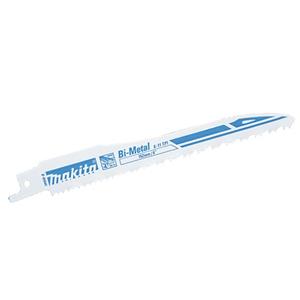
Makita Saw Blades
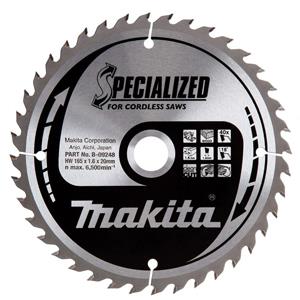
Makita plunge saw blades give you clean, straight cuts without burning or tearing out, so sheet goods and trims go together first time.
When you're ripping down MDF, ply, or kitchen worktops all day, the blade is what makes the cut look pro or look rushed. These Makita saw blades cover plunge saws, circular saws, mitre saws and chop saws, so you can match diameter, bore and tooth count to the material and keep your rail cuts dead clean. Pick the right Makita plunge saw blade and get back to cutting, not sanding and filling.
What Jobs Are Makita Plunge Saw Blades Best At?
- Ripping full sheets of ply and MDF on a guide rail when you need a straight, chip-free edge that's ready for edging or paint.
- Cutting kitchen worktops and laminated boards where a finer tooth Makita plunge saw blade helps stop breakout on the face side.
- Trimming doors, flooring, and site-made panels when you want a clean finish without the blade wandering or scorching the timber.
- Swapping over to the right Makita saw blade for crosscuts on a mitre saw or chop saw so skirting, architrave and studwork lands square and tight.
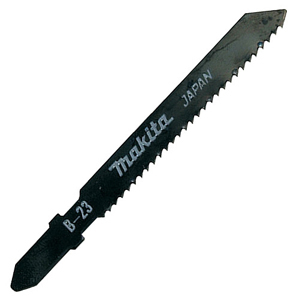
- Using a Makita metal cutting saw blade for thin steel, tray, or section where an abrasive disc would throw sparks everywhere and leave a rough edge.
Choosing the Right Makita Plunge Saw Blade
Sorting the right blade is simple: match the blade size and tooth count to the cut you're doing, not what happens to be on the saw.
1. Diameter and bore (It has to fit)
Check your saw takes the blade diameter and bore before you order, especially if you're buying a blade for a Makita circular saw or stepping up to a Makita 260mm mitre saw blade for a chop saw.
2. Tooth count (Finish vs speed)
If you're ripping sheet goods or framing timber, a lower tooth blade clears waste faster and won't bog down. If you're crosscutting trims, laminates, or want a cleaner face edge, go higher tooth and let the blade do the work.
3. Material type (Do not force a wood blade through metal)
For timber and boards, stick to dedicated wood and laminate blades. If you're cutting steel or ali, use a Makita metal cutting saw blade made for it, because it runs cleaner and safer than trying to "make do" with the wrong teeth.
4. Common site sizes (Know what you're replacing)
Makita saw blades 165mm are a common plunge and circular saw size, so keep a spare in the box if you're on kitchens or second-fix all week, because a blunt blade will wreck edges before you notice.
Makita Plunge Saw Blade FAQs
What size blade goes in a Makita circular saw?
It depends on the exact model, so check the saw's rating plate or manual for blade diameter and bore before you buy. Common site sizes include Makita saw blades 165mm on plunge and compact circular saws, and larger diameters on mitre and chop saws.
Are Makita circular saw blades any good?
Yes, for day-to-day site cutting they hold up well and cut clean when you match the blade to the material. The main "gotcha" is running a fine-finish blade through dirty timber or plastery boards, because any blade will blunt fast if you abuse it.
Is a 40 or 60 tooth blade better?
Neither is "better" on its own. A 40 tooth blade is a solid all-rounder and usually faster for general timber and ripping. A 60 tooth blade gives a cleaner finish on crosscuts, trims, and sheet materials, but it can cut slower and shows up more if you force the saw.
Will a plunge saw blade work on a mitre saw or chop saw?
Only if the diameter and bore match what the saw is designed for, and the blade type suits the job. In practice, most lads keep dedicated Makita mitre saw blades and Makita chop saw blades because the sizes and tooth patterns are usually different.
Can I use a wood blade to cut metal if it's "only a couple of cuts"?
No, it's a quick way to wreck the blade and it's not a safe cut. If you need to cut steel or aluminium, use a proper Makita metal cutting saw blade made for that material so it runs controlled and doesn't snag.
Who Uses Makita Saw Blades on Site?
- Chippies and kitchen fitters who live on a rail saw, because a decent Makita plunge saw blade is the difference between a clean scribe and a day of touching up.
- Joiners and shopfitters cutting sheet materials and trims, where tooth count and blade thickness matter for tidy edges and accurate sizing.
- Carpenters and first-fix crews running mitre saws and chop saws for studs, noggins and skirting, because the right Makita mitre saw blade stays true and cuts square.
- Maintenance teams and site fitters who keep a couple of blade types in the van so they can switch between timber, laminate and metal without bodging it.
The Basics: Understanding Plunge Saw Blades
A plunge saw blade is all about controlled entry and a clean track cut. Get these basics right and you'll stop fighting tear-out, burning, and rough edges.
1. Plunge cuts and rail work
A Makita plunge saw blade is designed to start the cut smoothly as you drop into the material, then stay stable along the rail, which is why it's the go-to for sizing sheets and trimming worktops on site.
2. Tooth geometry does the finishing
More, finer teeth generally leave a cleaner edge on laminates and trims, while fewer teeth shift waste better for ripping. If your cut edge is chipping or furry, it's usually the wrong tooth pattern or a blade that's past it.
3. Blade choice affects accuracy
A blade that's dull or wrong for the material will wander, burn, and pull the saw off line, even on a rail. A fresh, correct Makita saw blade keeps the cut straight and the finish consistent.
Saw Blade Accessories That Save You Time on Site
A couple of small add-ons make blade swaps quicker and keep cuts cleaner, especially when you're bouncing between materials.
1. Blade adaptor rings and bore reducers
These let you match the bore properly so the blade sits true and doesn't wobble, which is what causes rough cuts and vibration on mitre saws and chop saws.
2. Blade storage cases and sleeves
Chuck blades loose in the van and you'll knock teeth off and wonder why it's tearing out. A proper case keeps edges protected and stops you turning a new Makita plunge saw blade into scrap.
3. Cleaning blocks and resin remover
If you're cutting a lot of softwood, MDF, or laminate, resin build-up makes a good blade cut like a blunt one. A quick clean brings the cut quality back without binning the blade early.
Shop Makita Plunge Saw Blades at ITS
Whether you need a Makita plunge saw blade for rail cutting, a blade for a Makita circular saw, or a Makita 260mm mitre saw blade for the chop saw, we stock the sizes and tooth counts trades actually use. It's all held in our own warehouse and ready for next day delivery, so you can get the right blade on site without losing a day.