Makita Automotive
Shifting stubborn wheel nuts or servicing the fleet? Makita automotive tools cover fastening, inflation, greasing and polishing.
For mechanics and maintenance teams, the right kit saves hand work around wheel hubs, engine bays and bodywork. Match the battery platform, drive size and output to your workload, then choose the tools your workshop needs.
What Are Makita Automotive Tools Used For?
- Remove wheel nuts and suspension fixings with a suitably rated impact wrench, then use a torque wrench for final tightening to the vehicle manufacturer's specification.
- Run accessible engine bay and underbody fasteners in or out with a cordless ratchet, reducing repetitive hand winding during servicing.
- Correct paint defects and apply finishing products with a suitable machine from the Makita 18V LXT Polishers range, matched to the pad and compound.
- Top up car and van tyres during fleet checks using Makita 18V LXT Inflators & Pumps, checking the selected model's pressure range and duty cycle first.
- Lubricate specified grease points on serviceable chassis components, trailers and workshop equipment with a cordless grease gun and the correct lubricant.
Choosing the Right Makita Automotive Tools
Buy for the fastener, access and workload first; staying on one battery platform only helps if the tool can do the job.
1. Match Impact Wrench Output to the Fixings
For passenger vehicle servicing, compare compact and mid-torque models before choosing the biggest wrench. Tight wheel arches and long sessions favour manageable weight. Heavier commercial fixings may need higher output, but check the individual model's fastening and nut-busting figures rather than judging by voltage alone.
2. Choose the Battery Platform Deliberately
If you already run LXT batteries, start with Makita 18V LXT Impact Wrenches. If you are building an XGT workshop setup, compare Makita 40V XGT Impact Wrenches against the work required. LXT and XGT batteries are not interchangeable; check whether the listing is body only or includes batteries and a charger.
3. Check Head Size, Drive Size and Access
If you are working around brackets and engine components, check the ratchet head dimensions and socket clearance before buying. Match the square drive to your sockets and workload. An adaptor adds length and introduces another component whose load rating must suit the tool.
4. Match Specialist Tools to the Actual Task
For polishing, choose the machine action, backing pad and speed range to suit the finish and your experience. For inflators, check maximum pressure, airflow and duty cycle rather than pressure alone. For grease guns, confirm cartridge compatibility and the grease grade required by the equipment.
Who Uses Makita Automotive Tools?
Workshop mechanics use impact wrenches and ratchets for strip-down and servicing, while mobile mechanics and fleet maintenance teams use cordless kit where an airline is not available. Valeters and bodyshop teams choose polishers for paint finishing; plant fitters use grease guns for scheduled lubrication. For inspections beneath vehicles and inside engine bays, Makita Site Lighting & Torches help put light directly on the fixing or component.
The Basics: Understanding Makita Automotive Tools
Impact wrenches and cordless ratchets both turn fixings, but they do different jobs. Knowing the difference prevents damaged tools and incorrectly tightened fasteners.
1. Impact Wrenches Deliver Repeated Blows
An impact wrench applies repeated rotational blows to shift or tighten fasteners. Published nut-busting torque describes loosening performance under specified test conditions, not a guaranteed result on every corroded wheel nut. Use impact-rated sockets and stop if the fixing or socket is becoming damaged.
2. Cordless Ratchets Save Hand Winding
A cordless ratchet turns the socket electrically, making repetitive fastening quicker where access is restricted. It is not a substitute for a high-torque impact wrench. Follow the model's instructions on manual use and breakaway loads rather than forcing a seized bolt with the motor.
3. Final Torque Still Needs Checking
Speed settings and automatic stop modes help control the tool, but they do not replace a calibrated torque wrench. Start threads correctly, avoid hammering wheel nuts fully tight and complete final tightening in the vehicle manufacturer's specified sequence and torque.
Accessories for Makita Automotive Workshop Jobs
The right sockets, finishing kit and batteries stop a useful tool becoming a hold-up halfway through a service.
1. Impact-Rated Sockets
Use sockets rated for impact use and matched to the square drive. Standard hand sockets can fail under repeated blows; choose the correct depth so the socket seats fully on the fixing.
2. Torque Wrench
Keep a calibrated torque wrench covering the vehicle's specified settings. It provides the final tightening control an impact wrench cannot, particularly on wheel nuts and safety-critical fixings.
3. Compatible Batteries and Charger
A charged spare avoids stopping a strip-down while the only battery charges. Check platform compatibility and battery weight, especially when holding a ratchet overhead or polishing vertical panels.
4. Polishing Pads and Compounds
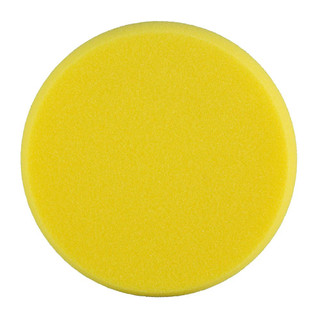
Match pad diameter, attachment and compound to the polisher and paintwork. The wrong combination can leave haze or remove more clear coat than intended; start with the least aggressive suitable combination on a test area.
Choose the Right Makita Automotive Tools for the Job
Start with the workshop task, then check the model specifications against it.
| Your Job | Tool Type | Key Features |
|---|---|---|
| Removing car and van wheel nuts | Cordless impact wrench | Suitable loosening output, correct square drive, manageable weight and controlled speed settings. |
| Repeated fastening around engine components | Cordless ratchet | Head clearance, socket compatibility and suitable fastening torque. |
| Paint correction and finishing | Automotive polisher | Machine action, backing pad size, variable speed and compatible pads. |
| Topping up fleet tyre pressures | Cordless tyre inflator | Required pressure range, airflow, readable gauge and suitable duty cycle. |
| Servicing grease points on trailers and plant | Cordless grease gun | Grease compatibility, loading method, hose reach and suitable coupler. |
Common Buying and Usage Mistakes
- Buying on maximum torque alone can leave you with a wrench too bulky for the job. Check overall length, working clearance and weight with the battery fitted.
- Using an impact wrench for final wheel tightening risks uneven or excessive torque. Finish with a calibrated torque wrench to the vehicle specification.
- Assuming every Makita battery fits every Makita automotive tool leads to unusable body-only purchases. Confirm the exact battery platform and kit contents before ordering.
- Choosing an inflator solely by maximum pressure can mean slow filling or repeated cooling stops. Check airflow and duty cycle against tyre size and the number of vehicles.
- Trying to clear a blocked grease nipple by continually increasing pressure risks equipment damage or injection injury. Stop, depressurise as instructed and inspect the blockage safely.
Compact Impact Wrenches vs High-Torque Impact Wrenches vs Cordless Ratchets
Compact Impact Wrenches
Choose a compact model for repeated servicing where access and weight matter. It is easier to position around wheel arches and brackets, but its output may not shift heavily seized or larger commercial fixings.
High-Torque Impact Wrenches
Choose higher output for demanding removal work, provided the model suits the fixing. Expect more bulk and weight; it is unnecessary for small engine bay fasteners and still needs careful control during tightening.
Cordless Ratchets
Choose a ratchet to save repetitive hand winding once fixings are free, especially around engine components. Its access advantage does not make it a wheel nut removal tool or a replacement for final torque checking.
Maintenance and Care
Remove Workshop Dirt
Remove the battery before cleaning. Wipe oil and grime from housings and grips, and keep ventilation openings clear using the method specified in the manual. Do not wash cordless tools down with a hose.
Inspect Drives and Sockets
Check anvils, socket retention parts and sockets for wear or damage. Replace cracked sockets and damaged retention components before use; stop using a tool that no longer holds its socket securely.
Keep Grease Equipment Clean
Clean around grease nipples before connecting and keep the coupler covered in storage. Inspect hoses for damage and never check a suspected high-pressure leak with your hand. Depressurise before maintenance as instructed.
Clean Pads and Check Hoses
Clean polishing pads as their manufacturer directs and keep different compounds separate. Check inflator hoses, valve connectors and seals for damage so leakage does not waste time or undermine pressure checks.
Store Dry and Repair Faults Promptly
Store tools and batteries dry, away from excessive heat and corrosive workshop chemicals. If a tool develops abnormal noise, vibration or overheating, stop using it and arrange inspection rather than working it to failure.
Why Shop for Makita Automotive Tools at ITS?
ITS stocks the full Makita automotive range, covering impact wrenches, ratchets, polishers, inflators, grease guns and lighting, with body-only tools and battery kits to suit your setup. Stock is held in our own warehouse, ready for next-day delivery. Check the individual listing for current availability and delivery options before booking the job.
Makita Automotive Tools FAQs
What automotive tools does Makita make?
Makita makes impact wrenches, cordless ratchets, polishers, tyre inflators, grease guns and work lights suitable for automotive work. Battery platforms and specifications vary, so check each model rather than assuming the whole range uses your existing batteries.
Is Makita good for mechanics?
Makita is a practical choice for mechanics who want cordless fastening, servicing and lighting tools, particularly if they already own compatible batteries. Choose each tool by access, output and workload. You will still need hand tools and a calibrated torque wrench for jobs requiring controlled final tightening.
Does Makita make a grease gun?
Yes, Makita makes cordless grease guns, including models on the 18V LXT platform. Check the loading method, cartridge compatibility and permitted grease specification before buying. Use them only on designated grease points, and stop if a blocked fitting prevents grease flowing normally.
Which Makita impact wrench is best for wheel nuts?
For many passenger car jobs, a suitably rated half-inch square-drive model is a sensible starting point. There is no single best choice for every vehicle: compare loosening output, working clearance and weight, with more demanding commercial work potentially needing a larger tool. Always finish tightening with a torque wrench to the vehicle specification.
Does Makita make a car polisher?
Yes, Makita makes polishers suitable for automotive paintwork, including cordless options. Check the machine action and approved pad size carefully: rotary and random-orbit machines handle differently. If you are inexperienced, use a suitable random-orbit machine and mild pad-and-compound combination, starting on a test area.
Does Makita make a cordless ratchet?
Yes, Makita makes cordless ratchet wrenches. They are useful for repeated fastening around engine components and brackets, but check the battery platform, drive size and head clearance. Do not assume a ratchet has the loosening force of an impact wrench or exceed its specified manual load limits.
Can Makita inflators pump car tyres?
Yes, suitable Makita inflators can inflate car tyres through the appropriate valve connection. Confirm the model covers the required pressure and follow its duty cycle, especially with larger tyres or several vehicles. Set pressures to the vehicle manufacturer's cold-tyre specification and verify them with a reliable tyre pressure gauge.
Does Makita make an automotive work light?
Yes, Makita makes cordless work lights and inspection lights suitable for vehicle servicing. Choose by beam spread, positioning options, battery compatibility and resistance to the conditions where you will use it. Check the stated protection rating rather than assuming a workshop light is waterproof or suitable for flammable atmospheres.