


Decorating
Decorating kit is what makes the difference between a tidy finish and a snag list.
When you're cutting in all day, rolling big walls, or sorting prep on tired plaster, the right decorating tools save time and stop rework. From scrapers and filling knives to rollers, brushes, trays and masking, this is the gear professional decorating teams rely on to get clean lines, even coverage, and a finish that lasts. Grab what you need, keep it in the van, and you're ready when the next room throws up a surprise.
What Are Decorating Tools Used For?
- Prepping walls and woodwork Stripping loose paint, scraping filler back, and keying surfaces properly so your top coat sticks and you are not back for peeling and flashing.
- Filling and making good Working filler into cracks, corners, and damaged plaster with the right filling knives so you can sand flat and paint without ridges showing through.
- Cutting in and edging Getting sharp lines around ceilings, sockets, architraves, and skirtings with decent brushes and masking, especially on refurbs where nothing is square.
- Rolling large areas fast Laying paint evenly on walls and ceilings with the right roller sleeve and frame so you avoid tramlines, splatter, and patchy coverage under site lighting.
- Protecting finished areas Masking, sheeting, and taping floors, windows, and ironmongery so you can work quicker without spending half the day cleaning up drips.
Choosing the Right Decorating
Sorting the right decorating kit is simple: buy for the surface and the finish you're expected to hand over, not whatever is cheapest on the shelf.
1. Prep tools first, paint second
If the walls are tired, spend your money on scrapers, filling knives, sanding blocks and decent masking before you worry about fancy rollers, because no paint hides bad prep under a raking light.
2. Match rollers and brushes to the finish
If you are doing big, flat walls, pick roller sleeves that lay off clean without shedding, and keep a proper cutting-in brush for edges so you are not fighting bristles and drag marks all day.
3. Think about clean-up and re-use
If you are working room to room, trays, scuttles, liners and decent tape save you time and mess, and they stop you wasting half a tin of paint because it has skinned over between coats.
Who Are These For on Site?
- Decorators and professional decorating teams doing refurbs and new build, because good prep and clean cutting in is what keeps the client happy and the snag list short.
- Maintenance and facilities lads sorting quick turnarounds in tenanted properties, where you need reliable rollers, brushes, and fillers that work first time and clean up fast.
- Joiners and fit-out crews doing second fix, who keep a small decorating set in the van for making good around trims, doors, and patch repairs before handover.
Decorating Accessories That Save Time on the Job
The small add-ons are what stop constant clean-up, rework, and walking back to the van mid-room.
1. Masking tape and masking film
Use the right tape for the surface and pull it at the right time, and you get crisp lines without tearing fresh paint or leaving glue behind on woodwork and frames.
2. Roller sleeves and refills
Keep spare sleeves in the right pile for the job, because a clogged or shedding roller ruins the finish fast and you will see it the moment the paint dries.
3. Tray liners and scuttles
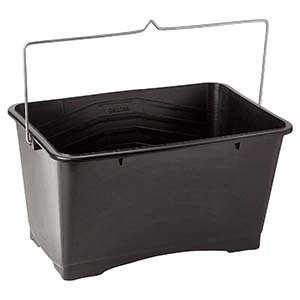
Liners speed up colour changes and end-of-day clean down, and a scuttle is the one you want when you are cutting in and rolling all day without balancing a tray on a hop-up.
4. Dust sheets and surface protection
Proper protection stops paint spots on finished floors and keeps you moving, especially on occupied refurb jobs where one drip can turn into an hour of snagging.
Shop Decorating at ITS
Whether you need a couple of filling knives and tape for a quick make-good, or you are stocking up for professional decorating work with rollers, brushes, prep and protection, we have the range ready to go. It is all held in our own warehouse, in stock and ready for next day delivery.
Decorating FAQs
What is the best decorating for professional use?
The best decorating setup for professional use is the one that covers prep, application, and protection properly. Start with solid scrapers, filling knives and sanding kit, then add a reliable cutting-in brush, the right roller sleeves for the surface, and masking that does not bleed or tear when you pull it.
How do I choose the right decorating?
Choose decorating tools based on what you are working on and the finish you need to hand over. Rough walls and repairs need better prep kit and sanding, while new plaster and big flats need the right roller pile and a brush that cuts in clean without dragging or shedding.
What are the key features to look for in a decorating?
Look for tools that stay straight, stay clean, and do not fall apart mid-job. That means rigid blades on scrapers and knives, comfortable handles you can use all day, roller sleeves that do not shed fibres, and tape that seals edges clean then removes without leaving residue.
Do I really need different rollers and brushes for different paints and surfaces?
Yes, if you care about the finish. A sleeve that is wrong for the wall will leave texture, tramlines, or splatter, and a poor brush makes cutting in slow and messy. Match the pile and brush type to the surface and the paint, and you will get better coverage with less messing about.
What is the biggest mistake people make when buying decorating tools?
Skipping prep kit and trying to paint over problems. On site, bad prep always comes back to bite you under strong light or once the room is furnished, so spend on scrapers, fillers, sanding and masking first, then your paint goes on quicker and looks right.
Decorating
Decorating kit is what makes the difference between a tidy finish and a snag list.
When you're cutting in all day, rolling big walls, or sorting prep on tired plaster, the right decorating tools save time and stop rework. From scrapers and filling knives to rollers, brushes, trays and masking, this is the gear professional decorating teams rely on to get clean lines, even coverage, and a finish that lasts. Grab what you need, keep it in the van, and you're ready when the next room throws up a surprise.
What Are Decorating Tools Used For?
- Prepping walls and woodwork Stripping loose paint, scraping filler back, and keying surfaces properly so your top coat sticks and you are not back for peeling and flashing.
- Filling and making good Working filler into cracks, corners, and damaged plaster with the right filling knives so you can sand flat and paint without ridges showing through.
- Cutting in and edging Getting sharp lines around ceilings, sockets, architraves, and skirtings with decent brushes and masking, especially on refurbs where nothing is square.
- Rolling large areas fast Laying paint evenly on walls and ceilings with the right roller sleeve and frame so you avoid tramlines, splatter, and patchy coverage under site lighting.
- Protecting finished areas Masking, sheeting, and taping floors, windows, and ironmongery so you can work quicker without spending half the day cleaning up drips.
Choosing the Right Decorating
Sorting the right decorating kit is simple: buy for the surface and the finish you're expected to hand over, not whatever is cheapest on the shelf.
1. Prep tools first, paint second
If the walls are tired, spend your money on scrapers, filling knives, sanding blocks and decent masking before you worry about fancy rollers, because no paint hides bad prep under a raking light.
2. Match rollers and brushes to the finish
If you are doing big, flat walls, pick roller sleeves that lay off clean without shedding, and keep a proper cutting-in brush for edges so you are not fighting bristles and drag marks all day.
3. Think about clean-up and re-use
If you are working room to room, trays, scuttles, liners and decent tape save you time and mess, and they stop you wasting half a tin of paint because it has skinned over between coats.
Who Are These For on Site?
- Decorators and professional decorating teams doing refurbs and new build, because good prep and clean cutting in is what keeps the client happy and the snag list short.
- Maintenance and facilities lads sorting quick turnarounds in tenanted properties, where you need reliable rollers, brushes, and fillers that work first time and clean up fast.
- Joiners and fit-out crews doing second fix, who keep a small decorating set in the van for making good around trims, doors, and patch repairs before handover.
Decorating Accessories That Save Time on the Job
The small add-ons are what stop constant clean-up, rework, and walking back to the van mid-room.
1. Masking tape and masking film
Use the right tape for the surface and pull it at the right time, and you get crisp lines without tearing fresh paint or leaving glue behind on woodwork and frames.
2. Roller sleeves and refills
Keep spare sleeves in the right pile for the job, because a clogged or shedding roller ruins the finish fast and you will see it the moment the paint dries.
3. Tray liners and scuttles
Liners speed up colour changes and end-of-day clean down, and a scuttle is the one you want when you are cutting in and rolling all day without balancing a tray on a hop-up.
4. Dust sheets and surface protection
Proper protection stops paint spots on finished floors and keeps you moving, especially on occupied refurb jobs where one drip can turn into an hour of snagging.
Shop Decorating at ITS
Whether you need a couple of filling knives and tape for a quick make-good, or you are stocking up for professional decorating work with rollers, brushes, prep and protection, we have the range ready to go. It is all held in our own warehouse, in stock and ready for next day delivery.
Decorating FAQs
What is the best decorating for professional use?
The best decorating setup for professional use is the one that covers prep, application, and protection properly. Start with solid scrapers, filling knives and sanding kit, then add a reliable cutting-in brush, the right roller sleeves for the surface, and masking that does not bleed or tear when you pull it.
How do I choose the right decorating?
Choose decorating tools based on what you are working on and the finish you need to hand over. Rough walls and repairs need better prep kit and sanding, while new plaster and big flats need the right roller pile and a brush that cuts in clean without dragging or shedding.
What are the key features to look for in a decorating?
Look for tools that stay straight, stay clean, and do not fall apart mid-job. That means rigid blades on scrapers and knives, comfortable handles you can use all day, roller sleeves that do not shed fibres, and tape that seals edges clean then removes without leaving residue.
Do I really need different rollers and brushes for different paints and surfaces?
Yes, if you care about the finish. A sleeve that is wrong for the wall will leave texture, tramlines, or splatter, and a poor brush makes cutting in slow and messy. Match the pile and brush type to the surface and the paint, and you will get better coverage with less messing about.
What is the biggest mistake people make when buying decorating tools?
Skipping prep kit and trying to paint over problems. On site, bad prep always comes back to bite you under strong light or once the room is furnished, so spend on scrapers, fillers, sanding and masking first, then your paint goes on quicker and looks right.
| Opening times |
|---|
