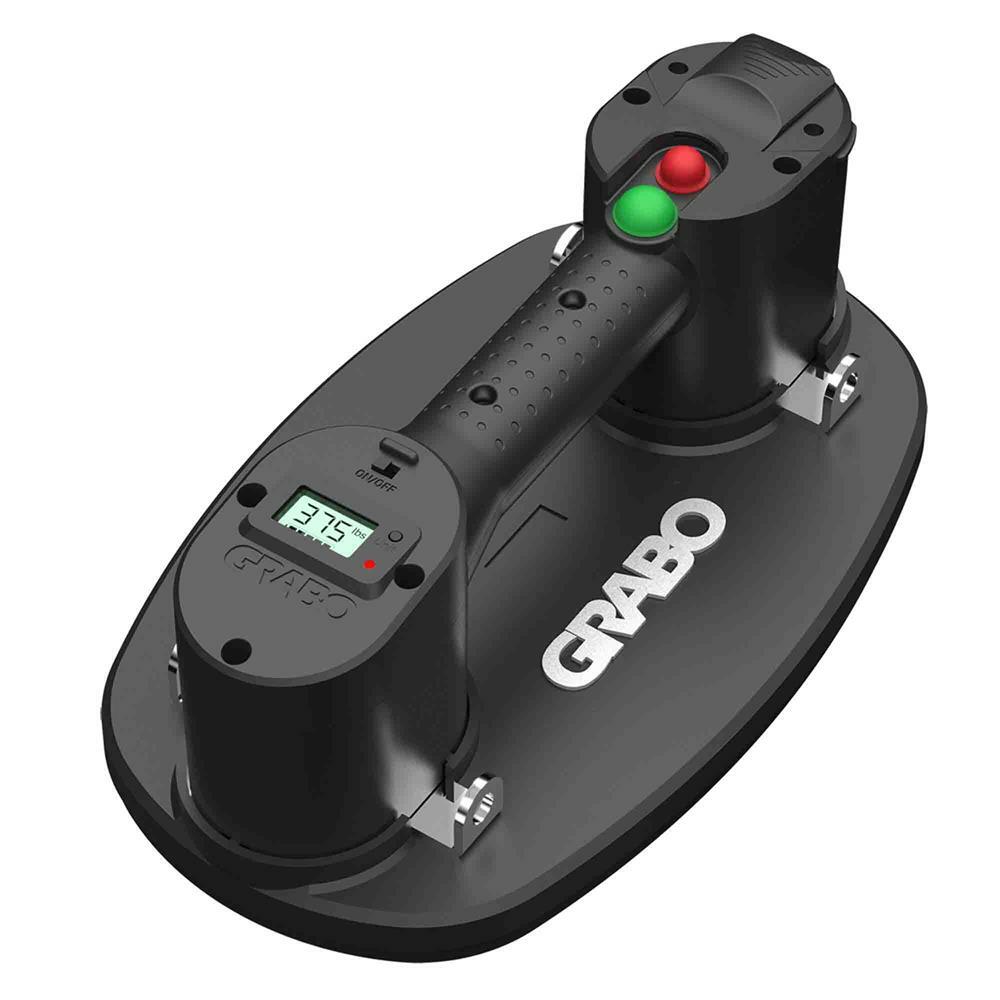
Grabo
GRABO lifters are vacuum suction tools for shifting awkward slabs, tiles and panels without smashed corners or wrecked backs.
When you're lifting porcelain, glass, stone, paving or sheet material, the GRABO suction cup does the grabbing so your hands don't slip and edges don't chip. Pick a GRABO vacuum lifter that matches the surface and weight you're moving, then get on with the fit.
What Are GRABO Lifters Used For?
- Lifting large-format tiles Handles a GRABO tile lifter job properly by giving you a solid grip for placing porcelain and ceramic without finger marks, cracked corners, or last-second slips.
- Shifting slabs and paving A GRABO slab lifter takes the strain out of moving flags and coping stones, especially when they are damp or dusty and you cannot get a safe handhold.
- Handling sheet materials Use a GRABO suction tool for glass, metal, laminate and smooth boards when you are offering up panels and need control while lining up edges and fixings.
- Positioning worktops and cladding A GRABO suction cup helps you nudge and set heavy pieces accurately, so you are not levering against finished faces and risking chips.
- Refurbs and snagging Keep a GRABO tool in the van for those awkward one-off lifts where two lads and a prayer is not a plan, especially on tight access jobs.
Choosing the Right GRABO
Sorting the right GRABO lifter is simple: match the suction and control to what you actually lift day to day, not the odd best-case surface.
1. Surface type: smooth vs textured
If you are mostly on smooth porcelain, glass, or metal, a GRABO suction cup will bite quickly and stay predictable. If you are lifting textured paving, riven stone, or slightly porous surfaces, choose a GRABO vacuum lifter set-up that is intended for rougher materials, because that is where cheap "grabbo" copies tend to lose grip.
2. Lift weight and size: do not guess
If you are handling big slabs, worktops, or oversized panels, check the rated capacity and keep a sensible safety margin for dusty, wet, or uneven faces. If it is only for occasional tile lifts, you can go lighter, but on site five days a week you want the GRABO lifter that holds pressure without constant babysitting.
3. Control and handling: one-man lifts vs two-man positioning
If you regularly lift solo, prioritise a GRABO suction tool that is comfortable in the hand and easy to release without jolting the load. If you are often doing team lifts, think about how you will share control and set down without twisting the slab and chipping an edge.
Who Uses GRABO Tools on Site?
- Tilers and bathroom fitters use GRABO lifters to place large-format tiles cleanly and keep edges intact when setting out and bedding.
- Landscapers and groundworkers reach for a GRABO vacuum lifter when shifting paving and slabs all day, because it saves hands and backs and keeps fingers out of pinch points.
- Glaziers, cladders and kitchen fitters use a GRABO suction cup for controlled lifts and final positioning when the finish matters and you cannot afford a slip.
The Basics: Understanding GRABO Vacuum Lifters
A GRABO vacuum lifter is basically a powered suction cup that creates a vacuum seal against the material, so you can lift and place with control instead of relying on finger grip.
1. Vacuum seal is everything
The GRABO suction cup needs a decent sealing edge against the surface to hold properly. Dust, slurry, and heavy texture can break the seal, so a quick wipe and a sensible lift angle makes a bigger difference than most people think.
2. Holding power changes with real site conditions
Smooth, clean materials hold best. Wet, porous, or heavily patterned faces can reduce grip, which is why you should treat the rating as a best-case and lift with a margin when you are on rough paving or site-mucky slabs.
3. Placement is the real win
Where a GRABO tool earns its keep is the last 10mm, when you are hovering a tile or slab into line without dragging edges, disturbing adhesive, or trapping fingers.
GRABO Accessories That Make Lifting Safer and Quicker
The lifter does the grabbing, but the right add-ons stop downtime and make awkward materials far easier to control.
1. Spare seals and filter kits
This saves you from the classic problem where the GRABO suction cup starts losing seal on dusty site work and you are stuck nursing it through every lift. Keep spares in the case and you are back to reliable grip in minutes.
2. Extra batteries and charger
If you are lifting all day, a spare battery is the difference between cracking on and standing around with a slab half planned. Swap and go, especially on big patio days or long kitchen fits.
3. Carry case and protection
A proper case stops the tool getting filled with dust and knocked about in the van, which is how seals get damaged and you end up blaming the lifter instead of the storage.
Shop GRABO Lifters at ITS
Whether you need a GRABO Plus for day-to-day fitting or a GRABO Pro lifter set-up for heavier, rougher site handling, we stock the full GRABO range and the bits that keep them working. It is all held in our own warehouse, in stock and ready for next day delivery so you can get lifting on tomorrow's job.
GRABO FAQs
What is a GRABO used for?
A GRABO is used for lifting and positioning awkward materials using vacuum suction, like large-format tiles, slabs, glass, metal sheets, and panels. On site it is mainly about control and reducing damage, so you can place accurately without chipped edges or trapped fingers.
Is the GRABO worth the investment?
If you regularly handle porcelain, paving, worktops, cladding, or sheet goods, yes, it pays for itself in fewer breakages and quicker, safer placement. If you only lift the odd tile once a month, you might manage without, but on repeat jobs it saves time and your back.
Who created the GRABO?
GRABO was created as a purpose-built vacuum lifting tool for construction and installation work, aimed at making slab and tile handling safer and more controlled than manual suction cups. If you need the full inventor and company history for compliance or procurement, check the manufacturer documentation for the exact details.
Is Dewalt GRABO made by GRABO?
Not necessarily. "GRABO" is a specific product brand, and other manufacturers may produce their own vacuum lifters that people loosely call a grabo or grabbo. If you want an actual GRABO vacuum lifter, check the branding and model details on the product listing, not just the style of tool.
Will a GRABO suction cup hold on textured or dusty paving?
It can, but that is where you need to be honest about surface condition. Heavy texture, open pores, and site dust can break the seal, so wipe the contact patch and lift with a margin. If the surface is too rough to seal, do not force it, because any vacuum lifter will struggle.