Festool Saws Festool Saws

Festool Saws

Festool circular saws are for straight, repeatable cuts when you cannot afford tear-out or wander on sheet, doors, and timber.

When you are trimming doors, breaking down sheet in a finished room, or cutting roof timber where every mm matters, a Festool saw earns its keep. This range covers everything from compact plunge and crosscut work to big, deep cuts, with proper dust control and solid guides. Pick the Festool circular saw that matches your cut depth and how you work, then crack on.

What Are Festool Circular Saws Used For?

  • Breaking down ply, MDF, and kitchen panels cleanly on site when you need a straight edge and a cut line that does not splinter the face.
  • Trimming and fitting doors and linings where a Festool saw gives you controlled, accurate cuts without chewing up the edge.
  • Crosscutting stud and carcassing timber for first fix when you want consistent lengths and a saw that stays true all day.
  • Cutting worktops, flooring, and trims in occupied properties where dust control matters and you cannot leave a mess behind.
  • Ripping and sizing roof timbers and thicker stock when you need proper depth of cut and a stable base that does not rock on the work.

Choosing the Right Festool Circular Saw

Do not pick a saw off the badge alone, match the Festool circular saw to your cut depth, your material, and whether you need plunge accuracy.

1. Plunge and guided cuts vs freehand site cutting

If you are sizing sheet goods, trimming doors, or doing finish work, go for the Festool saw set up for guided, controlled cuts so you are not fighting the line. If you are mostly roughing out timber and working fast, a more traditional Festool skill saw style is often the better fit.

2. Cut depth and blade size

If you are only cutting 18mm sheet and trims, you do not need a massive depth capacity and extra weight. If you are into thicker timber, doors, or layered materials, choose a Festool circular saw with the depth to do it in one pass, because forcing multiple cuts is where accuracy and edges go downhill.

3. Crosscut work and repeatability

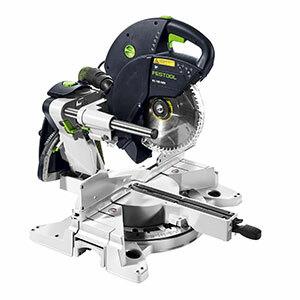
If you are doing lots of repeated crosscuts for stud, battens, or flooring lengths, look at a Festool crosscut saw setup that makes repeat cuts quick and consistent. If it is occasional, a standard Festool saw with the right blade and a solid support setup will still get you there.

Who Uses Festool Circular Saws on Site?

  • Chippies and joiners doing second fix, doors, and kitchens because a Festool circular saw is built for clean edges and repeatable sizing.
  • Shopfitters and fit-out teams working in finished spaces who need a Festool saw with dust control that keeps the client off your back.
  • Carpenters and roofers cutting structural timber who want a Festool skill saw that tracks straight and holds its settings under daily use.
  • Maintenance and facilities teams who need a reliable circular saw Festool option for quick, accurate repairs without dragging half the workshop out.

How Festool Circular Saws Work for You

The main difference across Festool saws is how they control the cut and how cleanly they leave the edge. Get these basics right and you will buy once, not twice.

1. Plunge action vs fixed base cutting

A plunge-style Festool circular saw lets you start the cut exactly where you need it, which is ideal for doors, worktops, and sheet where you cannot overrun. Fixed base cutting is simpler for quick rip and crosscuts in timber, but it is less forgiving when accuracy matters.

2. Blade choice is what makes the finish

The saw is only half the story, the blade decides whether you get a clean edge or a furry mess. Fine-tooth blades suit laminates and veneered boards, while fewer teeth clear waste better in thicker timber, so match the blade to what you cut most.

3. Dust extraction is not a nice-to-have on fit-out

On refurbs and finished rooms, a Festool saw with proper extraction keeps the cut line visible and stops dust getting everywhere. It is also less cleanup at the end of the day, which is where time disappears on price work.

Festool Circular Saw Accessories That Save Time on Site

The right add-ons stop rework, keep cuts clean, and make the saw easier to live with day to day.

1. Replacement saw blades for timber and sheet

A fresh, correct blade is what stops breakout on laminated boards and burning on timber. Keep a spare on the van so you are not finishing a job with a blunt blade that drags and wanders.

2. Guide rails and clamps

If you are doing sheet breakdown or door trimming, a solid rail and proper clamps stop the rail creeping mid-cut. That is the difference between a clean fit and filling an edge because the saw walked.

3. Dust extractor hoses and bags

Do not bodge extraction with a loose hose or a full bag, it kills airflow and leaves dust in the cut. Keep the extractor setup working properly and you will cut cleaner and see your line all day.

Shop Festool Circular Saws at ITS

Whether you need a compact Festool saw for fit-out work or a bigger Festool circular saw for deeper cuts, you can sort it here without hunting around. We stock a proper spread of Festool saws and key options in our own warehouse, ready for next day delivery so you are not stood on site waiting for kit.

Festool Circular Saw FAQs

Is Festool track saw better than Makita?

It depends what you mean by better. For daily fit-out work, Festool tends to win on cut quality, dust control, and how consistently it stays accurate when it has been knocked about in the van. Makita track saws are solid value and do plenty of site work, but if you are chasing the cleanest finish and repeatability, Festool is usually the step up.

What is the best circular saw for home use?

For home use, the best circular saw is the one that is easy to control and suits what you actually cut. If it is occasional DIY in sheet and softwood, a lighter saw with sensible cut depth is easier and safer than a big, heavy unit. If you want furniture-grade edges on sheet goods and you hate mess, a Festool circular saw with extraction is the tidy, accurate option, but it is more saw than most casual DIY jobs need.

What is Festool HK 85 EB Plus circular saw?

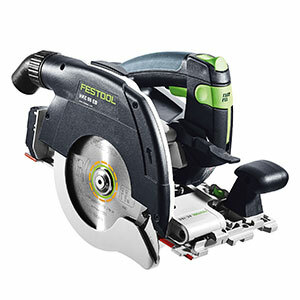
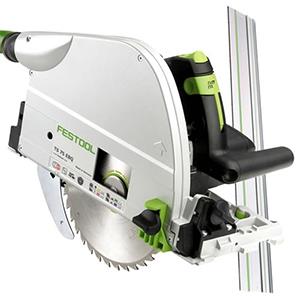
The Festool HK 85 EB Plus circular saw is a larger, deep-cut saw built for heavier carpentry work where a standard plunge saw can be short on depth. It is aimed at cutting thicker timber cleanly and accurately, so it suits roof and structural jobs more than kitchen panels and light sheet work.

Is a 6.5 circular saw big enough?

For most sheet materials and general timber, yes, a 6.5 inch saw is usually plenty and it is easier to handle all day. Where it falls down is thicker stock, deeper bevel cuts, or when you need to clear chunky material in one pass. If you regularly cut thicker timber, step up in blade size and cut depth rather than forcing it.

Do Festool circular saws need special blades, or will standard ones fit?

Do not assume any blade will do. You need to match the blade diameter and bore to the saw, and you want the right tooth count for the material if you care about finish. If you are unsure, stick to blades listed for your specific Festool saw so you are not wasting money on the wrong fit.
Read more

Festool Saws

Festool circular saws are for straight, repeatable cuts when you cannot afford tear-out or wander on sheet, doors, and timber.

When you are trimming doors, breaking down sheet in a finished room, or cutting roof timber where every mm matters, a Festool saw earns its keep. This range covers everything from compact plunge and crosscut work to big, deep cuts, with proper dust control and solid guides. Pick the Festool circular saw that matches your cut depth and how you work, then crack on.

What Are Festool Circular Saws Used For?

  • Breaking down ply, MDF, and kitchen panels cleanly on site when you need a straight edge and a cut line that does not splinter the face.
  • Trimming and fitting doors and linings where a Festool saw gives you controlled, accurate cuts without chewing up the edge.
  • Crosscutting stud and carcassing timber for first fix when you want consistent lengths and a saw that stays true all day.
  • Cutting worktops, flooring, and trims in occupied properties where dust control matters and you cannot leave a mess behind.
  • Ripping and sizing roof timbers and thicker stock when you need proper depth of cut and a stable base that does not rock on the work.

Choosing the Right Festool Circular Saw

Do not pick a saw off the badge alone, match the Festool circular saw to your cut depth, your material, and whether you need plunge accuracy.

1. Plunge and guided cuts vs freehand site cutting

If you are sizing sheet goods, trimming doors, or doing finish work, go for the Festool saw set up for guided, controlled cuts so you are not fighting the line. If you are mostly roughing out timber and working fast, a more traditional Festool skill saw style is often the better fit.

2. Cut depth and blade size

If you are only cutting 18mm sheet and trims, you do not need a massive depth capacity and extra weight. If you are into thicker timber, doors, or layered materials, choose a Festool circular saw with the depth to do it in one pass, because forcing multiple cuts is where accuracy and edges go downhill.

3. Crosscut work and repeatability

If you are doing lots of repeated crosscuts for stud, battens, or flooring lengths, look at a Festool crosscut saw setup that makes repeat cuts quick and consistent. If it is occasional, a standard Festool saw with the right blade and a solid support setup will still get you there.

Who Uses Festool Circular Saws on Site?

  • Chippies and joiners doing second fix, doors, and kitchens because a Festool circular saw is built for clean edges and repeatable sizing.
  • Shopfitters and fit-out teams working in finished spaces who need a Festool saw with dust control that keeps the client off your back.
  • Carpenters and roofers cutting structural timber who want a Festool skill saw that tracks straight and holds its settings under daily use.
  • Maintenance and facilities teams who need a reliable circular saw Festool option for quick, accurate repairs without dragging half the workshop out.

How Festool Circular Saws Work for You

The main difference across Festool saws is how they control the cut and how cleanly they leave the edge. Get these basics right and you will buy once, not twice.

1. Plunge action vs fixed base cutting

A plunge-style Festool circular saw lets you start the cut exactly where you need it, which is ideal for doors, worktops, and sheet where you cannot overrun. Fixed base cutting is simpler for quick rip and crosscuts in timber, but it is less forgiving when accuracy matters.

2. Blade choice is what makes the finish

The saw is only half the story, the blade decides whether you get a clean edge or a furry mess. Fine-tooth blades suit laminates and veneered boards, while fewer teeth clear waste better in thicker timber, so match the blade to what you cut most.

3. Dust extraction is not a nice-to-have on fit-out

On refurbs and finished rooms, a Festool saw with proper extraction keeps the cut line visible and stops dust getting everywhere. It is also less cleanup at the end of the day, which is where time disappears on price work.

Festool Circular Saw Accessories That Save Time on Site

The right add-ons stop rework, keep cuts clean, and make the saw easier to live with day to day.

1. Replacement saw blades for timber and sheet

A fresh, correct blade is what stops breakout on laminated boards and burning on timber. Keep a spare on the van so you are not finishing a job with a blunt blade that drags and wanders.

2. Guide rails and clamps

If you are doing sheet breakdown or door trimming, a solid rail and proper clamps stop the rail creeping mid-cut. That is the difference between a clean fit and filling an edge because the saw walked.

3. Dust extractor hoses and bags

Do not bodge extraction with a loose hose or a full bag, it kills airflow and leaves dust in the cut. Keep the extractor setup working properly and you will cut cleaner and see your line all day.

Shop Festool Circular Saws at ITS

Whether you need a compact Festool saw for fit-out work or a bigger Festool circular saw for deeper cuts, you can sort it here without hunting around. We stock a proper spread of Festool saws and key options in our own warehouse, ready for next day delivery so you are not stood on site waiting for kit.

Festool Circular Saw FAQs

Is Festool track saw better than Makita?

It depends what you mean by better. For daily fit-out work, Festool tends to win on cut quality, dust control, and how consistently it stays accurate when it has been knocked about in the van. Makita track saws are solid value and do plenty of site work, but if you are chasing the cleanest finish and repeatability, Festool is usually the step up.

What is the best circular saw for home use?

For home use, the best circular saw is the one that is easy to control and suits what you actually cut. If it is occasional DIY in sheet and softwood, a lighter saw with sensible cut depth is easier and safer than a big, heavy unit. If you want furniture-grade edges on sheet goods and you hate mess, a Festool circular saw with extraction is the tidy, accurate option, but it is more saw than most casual DIY jobs need.

What is Festool HK 85 EB Plus circular saw?

The Festool HK 85 EB Plus circular saw is a larger, deep-cut saw built for heavier carpentry work where a standard plunge saw can be short on depth. It is aimed at cutting thicker timber cleanly and accurately, so it suits roof and structural jobs more than kitchen panels and light sheet work.

Is a 6.5 circular saw big enough?

For most sheet materials and general timber, yes, a 6.5 inch saw is usually plenty and it is easier to handle all day. Where it falls down is thicker stock, deeper bevel cuts, or when you need to clear chunky material in one pass. If you regularly cut thicker timber, step up in blade size and cut depth rather than forcing it.

Do Festool circular saws need special blades, or will standard ones fit?

Do not assume any blade will do. You need to match the blade diameter and bore to the saw, and you want the right tooth count for the material if you care about finish. If you are unsure, stick to blades listed for your specific Festool saw so you are not wasting money on the wrong fit.
ITS Click and Collect Icon
What3Words:
Store Opening Hours
Opening times