Festool Saw Blades Festool Saw Blades

Festool Saw Blades

Festool saw blades are for clean, controlled cuts when the finish matters, from sheet goods to trim, without chewing edges or burning timber.

When you're ripping down boards all day or trimming kitchens where every edge is on show, the blade matters as much as the saw. Festool saw blades are built to run true, cut clean, and stay stable under load. Match the tooth count and grind to the material, and you'll get less breakout, less snagging, and less rework. Pick the right blade and crack on.

What Are Festool Saw Blades Used For?

  • Breaking down MDF, ply, and sheet materials for cabinets and fit-out work when you need a straight cut that doesn't splinter the face.
  • Trimming laminate, melamine, and veneered boards where a fine-tooth blade helps stop breakout on the top surface and keeps edges sharp.
  • Ripping and crosscutting timber on second fix and general carpentry jobs when you want steady feed without the blade wandering or burning.
  • Cutting trim and finished components on refurbs and snagging when you need a tidy edge that's ready to fit, not sand for ten minutes.

Choosing the Right Festool Saw Blades

Sorting the right blade is simple: match the tooth count and grind to the material, not whatever's already on the saw.

1. Tooth count for finish vs speed

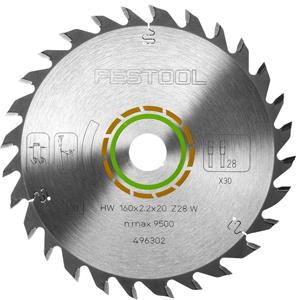
If you're cutting laminate, melamine, or veneered boards, go higher tooth count for a slower, cleaner cut and less breakout. If you're ripping timber and just need to shift material, a lower tooth count feeds faster and won't labour as much.

2. Blade diameter and bore size

Don't guess this bit. Match the blade diameter and bore to your Festool saw so it seats properly and runs true. The wrong bore or a bodged adaptor is how you end up with wobble, rough cuts, and a blade that never feels right.

3. Cut quality on faced boards

If the face has to be perfect, pick the blade designed for fine cuts in sheet materials and keep it for that job only. Once a blade's been through gritty site timber or nails, it'll start tearing the edges on laminate and you'll blame the saw.

Who Uses Festool Saw Blades?

  • Chippies and joiners doing kitchens, wardrobes, and second fix, because a clean cut saves filler, sanding, and call-backs.
  • Shopfitters and fit-out crews cutting sheet goods all week, where the right tooth count keeps production moving without ragged edges.
  • Maintenance teams and site carpenters who need one blade for controlled, predictable cutting when working in occupied buildings.

The Basics: Understanding Saw Blade Tooth Count

Most of the "does it cut clean?" question comes down to tooth count and what you're cutting. Get this right and the saw feels smoother, cuts faster, and leaves a better edge.

1. High tooth count for clean finishes

More teeth means smaller bites, which is what you want for laminate, melamine, veneered boards, and anything that chips easily. It's slower, but it leaves a cut you can fit straight away without hiding it with edging or filler.

2. Low tooth count for ripping and speed

Fewer teeth clear waste quicker, so ripping timber and rougher site cutting is faster and the motor doesn't work as hard. The trade-off is a rougher edge, so it's not the blade you want for finished faces.

Your Festool Saw Blades Range, Ready to Go

Whether you need a fine-finish blade for laminate and veneered boards or a faster option for timber and general cutting, we stock the full Festool saw blades range in the key sizes and tooth counts. It's all held in our own warehouse, in stock and ready for next day delivery, so you can get back on with the job.

Festool Saw Blades FAQs

How do I know which Festool saw blade to choose for laminate?

Go for a high tooth count blade intended for fine cuts in faced boards. Laminate chips easily, so you want smaller, cleaner bites and a steadier feed rate. If you're cutting worktops or melamine panels, keep that blade for clean materials only, because one run through gritty site timber will start tearing the edge.

Can Festool saw blades be resharpened?

Yes, many Festool saw blades can be resharpened, as long as the teeth aren't missing or heat-damaged. It's worth doing on quality blades used for finish work, but don't expect miracles if it's been into nails, screws, or masonry dust, because that usually takes the edge off beyond a tidy sharpen.

Will any Festool saw blade fit my saw, or do I need a specific size?

You need to match the blade diameter and the bore to your saw model. If the bore is wrong or it doesn't seat properly, you'll get vibration, wandering cuts, and a blade that never runs true. Check your saw spec before you order, especially if you're swapping between different Festool saw types.

Why is my cut burning or the saw feeling like it's struggling?

Nine times out of ten it's the wrong blade for the job or a blunt blade. A fine-tooth blade used for ripping can overheat and burn, and a blade that's lost its edge will make you push harder and heat up the cut. Swap to the right tooth count for the material and keep blades clean and sharp.

Do I really need different blades for timber and sheet materials?

If you care about finish and speed, yes. Timber ripping wants fewer teeth to clear waste, while sheet goods and laminate want more teeth to stop breakout. You can run a "middle of the road" blade, but you'll be slower on rips and you'll still risk chipping on faced boards.
Read more

Festool Saw Blades

Festool saw blades are for clean, controlled cuts when the finish matters, from sheet goods to trim, without chewing edges or burning timber.

When you're ripping down boards all day or trimming kitchens where every edge is on show, the blade matters as much as the saw. Festool saw blades are built to run true, cut clean, and stay stable under load. Match the tooth count and grind to the material, and you'll get less breakout, less snagging, and less rework. Pick the right blade and crack on.

What Are Festool Saw Blades Used For?

  • Breaking down MDF, ply, and sheet materials for cabinets and fit-out work when you need a straight cut that doesn't splinter the face.
  • Trimming laminate, melamine, and veneered boards where a fine-tooth blade helps stop breakout on the top surface and keeps edges sharp.
  • Ripping and crosscutting timber on second fix and general carpentry jobs when you want steady feed without the blade wandering or burning.
  • Cutting trim and finished components on refurbs and snagging when you need a tidy edge that's ready to fit, not sand for ten minutes.

Choosing the Right Festool Saw Blades

Sorting the right blade is simple: match the tooth count and grind to the material, not whatever's already on the saw.

1. Tooth count for finish vs speed

If you're cutting laminate, melamine, or veneered boards, go higher tooth count for a slower, cleaner cut and less breakout. If you're ripping timber and just need to shift material, a lower tooth count feeds faster and won't labour as much.

2. Blade diameter and bore size

Don't guess this bit. Match the blade diameter and bore to your Festool saw so it seats properly and runs true. The wrong bore or a bodged adaptor is how you end up with wobble, rough cuts, and a blade that never feels right.

3. Cut quality on faced boards

If the face has to be perfect, pick the blade designed for fine cuts in sheet materials and keep it for that job only. Once a blade's been through gritty site timber or nails, it'll start tearing the edges on laminate and you'll blame the saw.

Who Uses Festool Saw Blades?

  • Chippies and joiners doing kitchens, wardrobes, and second fix, because a clean cut saves filler, sanding, and call-backs.
  • Shopfitters and fit-out crews cutting sheet goods all week, where the right tooth count keeps production moving without ragged edges.
  • Maintenance teams and site carpenters who need one blade for controlled, predictable cutting when working in occupied buildings.

The Basics: Understanding Saw Blade Tooth Count

Most of the "does it cut clean?" question comes down to tooth count and what you're cutting. Get this right and the saw feels smoother, cuts faster, and leaves a better edge.

1. High tooth count for clean finishes

More teeth means smaller bites, which is what you want for laminate, melamine, veneered boards, and anything that chips easily. It's slower, but it leaves a cut you can fit straight away without hiding it with edging or filler.

2. Low tooth count for ripping and speed

Fewer teeth clear waste quicker, so ripping timber and rougher site cutting is faster and the motor doesn't work as hard. The trade-off is a rougher edge, so it's not the blade you want for finished faces.

Your Festool Saw Blades Range, Ready to Go

Whether you need a fine-finish blade for laminate and veneered boards or a faster option for timber and general cutting, we stock the full Festool saw blades range in the key sizes and tooth counts. It's all held in our own warehouse, in stock and ready for next day delivery, so you can get back on with the job.

Festool Saw Blades FAQs

How do I know which Festool saw blade to choose for laminate?

Go for a high tooth count blade intended for fine cuts in faced boards. Laminate chips easily, so you want smaller, cleaner bites and a steadier feed rate. If you're cutting worktops or melamine panels, keep that blade for clean materials only, because one run through gritty site timber will start tearing the edge.

Can Festool saw blades be resharpened?

Yes, many Festool saw blades can be resharpened, as long as the teeth aren't missing or heat-damaged. It's worth doing on quality blades used for finish work, but don't expect miracles if it's been into nails, screws, or masonry dust, because that usually takes the edge off beyond a tidy sharpen.

Will any Festool saw blade fit my saw, or do I need a specific size?

You need to match the blade diameter and the bore to your saw model. If the bore is wrong or it doesn't seat properly, you'll get vibration, wandering cuts, and a blade that never runs true. Check your saw spec before you order, especially if you're swapping between different Festool saw types.

Why is my cut burning or the saw feeling like it's struggling?

Nine times out of ten it's the wrong blade for the job or a blunt blade. A fine-tooth blade used for ripping can overheat and burn, and a blade that's lost its edge will make you push harder and heat up the cut. Swap to the right tooth count for the material and keep blades clean and sharp.

Do I really need different blades for timber and sheet materials?

If you care about finish and speed, yes. Timber ripping wants fewer teeth to clear waste, while sheet goods and laminate want more teeth to stop breakout. You can run a "middle of the road" blade, but you'll be slower on rips and you'll still risk chipping on faced boards.
ITS Click and Collect Icon
What3Words:
Store Opening Hours
Opening times