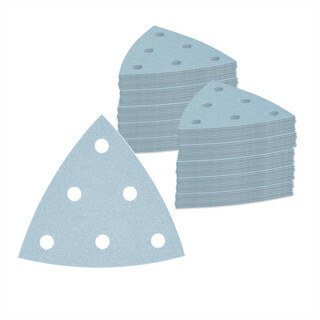
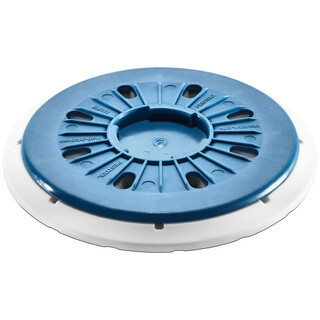
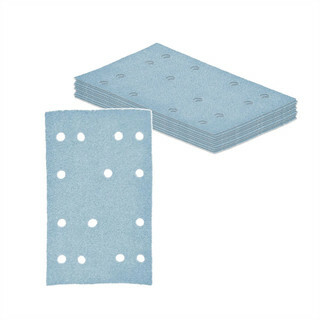
Festool Sanding Pads & Sheets
Festool sanding pads keep your sander cutting clean and flat, so you stop burning edges, clogging paper, and chasing swirl marks on finish work.
When you're flattening filler, keying paint, or finishing timber for a handover, the pad and abrasive matter as much as the machine. This range of Festool sanding pads, Festool sander pads, and Festool sandpaper covers the common site sizes and hole patterns, so extraction works properly and your Festool sanding discs actually last. Pick the right pad hardness and grit, stick it on square, and get back to clean, consistent sanding.
What Jobs Are Festool Sanding Pads Best At?
- Flattening filler and stopping high spots on patch repairs, because a fresh Festool sanding pad keeps the face flat instead of digging corners in.
- Finishing timber doors, skirting, and built-ins where you cannot afford swirl marks, using the right Festool sanding discs and pad hardness to keep the cut controlled.
- Keying paint and varnish between coats on refurb work, where clean extraction through the pad holes stops clogging and saves you burning through Festool sanding sheets.
- Sanding plaster and jointing compound with proper dust control, because a pad that seals and lines up with the holes keeps the vacuum doing the work, not your lungs.
- De-nibbing and blending edges on kitchens and fit-out work, where a worn hook and loop face will slip and chatter and ruin the finish.
Choosing the Right Festool Sanding Pads
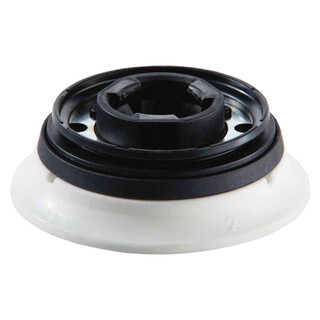
Sorting the right Festool sanding pads is simple: match the pad size, hole pattern, and hardness to the surface, or you will fight dust and finish all day.
1. Size and fit (including Festool 150mm sanding pad)
If your sander takes a Festool 150mm sanding pad, stick to the correct diameter and backing style so the edge sits true and does not catch. A pad that is even slightly off will chew discs, leave rings, and make the machine feel rough.
2. Hole pattern for extraction
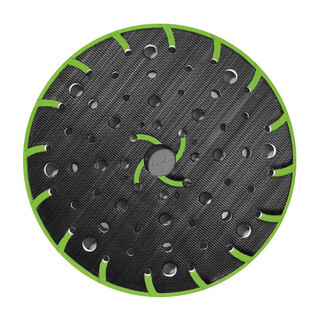
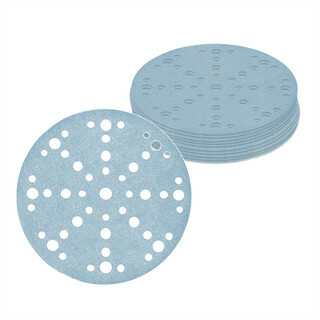
If the holes do not line up, your Festool sanding discs will clog and you will end up pushing harder, which is when you get heat marks and swirls. Match the pad and Festool sanding sheets to your sander's hole layout so the vacuum can pull dust straight through.
3. Pad hardness for the finish
If you are finishing flat panels and want a clean, even scratch pattern, go firmer so the face stays flat. If you are working profiles, edges, or slightly uneven surfaces, a softer Festool sander pad will follow the shape and stop you cutting through on corners.
Who Uses Festool Sanding Pads?
- Joiners and cabinet fitters who need a dead-flat finish on timber and sheet goods without tramlines, especially on visible edges and panels.
- Decorators and refurbishment teams doing prep properly, because the right Festool sandpaper and pad setup cuts faster and keeps dust down indoors.
- Shopfitters and maintenance lads who are in and out of occupied buildings, where reliable extraction and quick disc changes keep the job tidy and moving.
How Festool Sanding Pads Work for You
A sanding pad is not just something to stick discs to. It controls how the abrasive contacts the surface and how well dust gets pulled away, which is what decides your finish and how long the paper lasts.
1. Hook and loop grip (disc control)
The pad's hook face grips the Festool sanding discs so they do not slip under load. Once the hooks are worn or clogged, the disc can creep, chatter, and leave random marks, even if your technique is sound.
2. Dust paths (cleaner cut, longer life)
The holes and channels in Festool sanding pads are there to move dust away from the cutting face. When extraction is working, the abrasive stays sharper, the surface runs cooler, and you spend less time swapping clogged Festool sandpaper.
3. Cushioning (flatness vs forgiveness)
A firmer pad keeps things flat for panel work, while a softer pad gives you forgiveness on curves and edges. Pick wrong and you either round everything over or you leave ripples where the pad cannot follow the surface.
Shop Festool Sanding Pads at ITS
Whether you need a straight replacement pad, a Festool 150mm sanding pad, or a stack of Festool sanding sheets and Festool sanding discs for a big prep job, it's all here in one place. We stock the full range in our own warehouse, ready for next day delivery so you can keep the sander working and the finish consistent.
Festool Sanding Pads and Discs FAQs
Which Festool sandpaper for wood?
For most timber prep, start coarse enough to level the job quickly, then step through grits to remove the previous scratch pattern. On site that usually means a mid-grit for flattening, then finer grits for finishing, and always keep extraction on so the Festool sandpaper does not clog and burnish the surface.
Can you replace the pad on an orbital sander?
Yes, orbital sander pads are consumable parts and they are meant to be replaced when the hook face is worn, the foam is damaged, or the pad is no longer running true. Fit the correct Festool sanding pad for your model and hole pattern, and take the time to align it properly so your Festool sanding discs sit flat.
What's better than Festool?
For sanding finishes, it is rarely about "better" and more about the right setup for the job. Festool sanding pads and abrasives are a solid benchmark for dust control and consistent results, but you will still get poor sanding if the pad is the wrong hardness, the holes do not line up, or you are skipping grits.
Why are my Festool sanding discs clogging up so fast?
Nine times out of ten it is extraction or hole alignment. Make sure the Festool sander pad holes match the disc, the vacuum is actually pulling, and you are not leaning on the tool, because pressure and heat will load the abrasive quickly on paint, filler, and resinous timber.
How do I know when a sanding pad needs replacing?
If discs will not stick properly, the pad edge is torn, or the sander starts leaving random swirls you cannot grit out, the pad is usually done. A fresh pad is often the quickest fix for a finish that has suddenly gone messy, especially on a Festool 150mm sanding pad that sees a lot of daily use.