Festool Multi Tool Blades & Accessories
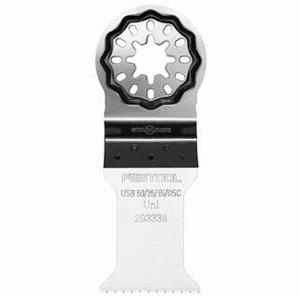
Festool multi tool blades are for fast, controlled cutting and scraping where a saw or grinder just won't go, especially on refurbs and second fix.
When you're trimming architraves, undercutting door linings, cutting out plasterboard, or chasing out old sealant, the blade choice matters more than the tool. Festool oscillating blades are made to run true and stay sharp longer, so you get cleaner cuts and less time fighting the job. Pick the right blade for the material and crack on.
What Are Festool Multi Tool Blades Used For?
- Cutting back door linings, skirting, and architraves tight to the floor when you're fitting laminate, LVT, or tiles and need a neat undercut without wrecking the finish.
- Flush-cutting fixings like nails, screws, and small brackets during rip-out and snagging, so you can get surfaces flat again without dragging a grinder into a finished room.
- Plunge-cutting plasterboard, MDF, and timber for access hatches, back boxes, and patch repairs where you need control in corners and up against edges.
- Scraping off old adhesive, silicone, paint build-up, and floor residues on refurbs, so prep work is quicker and you are not there all day with a chisel.
- Cutting grout and trimming awkward tile edges for repairs, especially where you cannot risk cracking the surrounding tiles with heavier kit.
Choosing the Right Festool Multi Tool Blades
Sorting the right blade is simple: match it to the material, because the wrong blade will either burn out or just skate about and waste your time.
1. Timber and boards vs nails and screws
If you are cutting clean timber, MDF, or plasterboard, go for a wood blade that clears dust and stays sharp. If there is any chance of hitting hidden nails or screws, use a metal or multi-material blade, because a wood blade will lose its edge in minutes.
2. Plunge cut vs flush cut
If you are starting in the middle of a panel or need a square opening, pick a plunge-cut blade for control and a straight entry. If you are trimming tight to a surface, like skirting to a floor or cutting fixings off flat, a flush-cut profile saves you from gouging the work.
3. Scraping and grout work
If the job is adhesive, silicone, or paint build-up, a scraper blade is quicker and safer than trying to "cut" it off. For grout and tile repair, use a grout-specific blade and let the tool do the work, because forcing it is how you chip good tiles.
Who Uses Festool Multi Tool Blades?
- Chippies and kitchen fitters use them daily for undercuts, scribing, and tidy flush cuts that keep second fix looking sharp.
- Sparks and plumbers keep a couple in the bag for quick access cuts and trimming back boards and fixings without making a mess of finished areas.
- Bathroom fitters and tilers rely on the right blade for grout removal and repair work where control matters more than brute force.
- Maintenance teams and snaggers use them for fast, clean patching and trim work, because it is the one tool that gets into the awkward spots.
The Basics: Understanding Multi Tool Blades
Oscillating tools only work as well as the blade you fit. The right shape and tooth type is what makes the cut clean, keeps heat down, and stops the tool bouncing about.
1. Blade shape controls the cut you can physically make
Narrow blades get into corners and are easier to steer on plunge cuts. Wider blades track straighter on longer cuts and are better for trimming and undercuts where you want a clean, even line.
2. Tooth type and grit decide what materials it will handle
Wood blades bite fast but hate metal fixings. Metal and multi-material blades cope with screws and nails but cut slower in clean timber. Grout and abrasive blades are for mineral materials and will outlast a toothed blade on tile work.
3. Heat and clogging are what kill blades early
If you are leaning on it, the blade overheats and dulls, especially in dense timber and adhesive. Use the right blade, keep the tool moving, and let it oscillate rather than forcing it through.
Multi Tool Accessories That Make the Job Cleaner and Faster
A couple of add-ons stop you burning through blades and spending your afternoon clearing up dust and debris.
1. Sanding pads and sheets
When you have to feather filler, de-nib paint, or tidy edges after a cut, a sanding pad turns the multi tool into a proper detail sander for corners and tight returns where a sheet sander cannot reach.
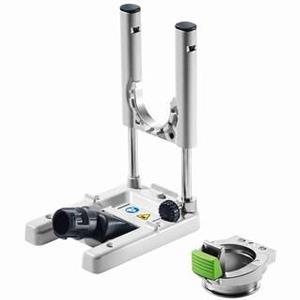
2. Depth stops and guides
If you are undercutting linings or trimming skirting to a set depth, a depth guide stops you going too far and chewing into floors, plaster, or finished surfaces.
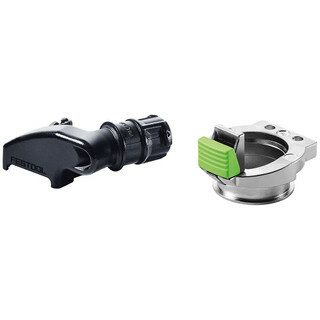
3. Dust extraction adaptors
For sanding and repeated plunge cuts in board, a dust adaptor keeps the mess down and stops the pad clogging up, which is what ruins the finish and wastes consumables.
Shop Festool Multi Tool Blades at ITS
Whether you need a fine wood blade for second fix, a tougher multi-material option for refurbs, or scrapers and grout blades for repair work, you can get the right Festool multi tool blades in one place. We stock the full range in our own warehouse, ready for next day delivery so you are not stuck waiting when the job is live.
Festool Multi Tool Blades FAQs
What multi tool blades fit Festool?
Use blades that match your Festool tool's blade mounting system. Festool blades are made to fit their oscillating tools properly, so you get a solid lock-up with less wobble. If you are mixing brands, check the fitting type before you buy, because "multi tool blade" does not automatically mean universal.
What is the best oscillating tool blade?
There is not one best blade, it is job dependent. For clean timber and second fix, a fine wood blade gives the neatest cut. For refurb work where you will hit nails or screws, a metal or multi-material blade is the sensible choice, because it will survive the abuse.
What blade to use on a multi tool?
Start with the material and the cut you need. Use wood blades for timber and boards, metal or multi-material blades where fixings are likely, scraper blades for adhesive and silicone, and grout blades for tile repairs. If you pick the wrong type, you will either burn it out or get a rough finish.
Do multi tool blades blunt quickly on site?
They do if you use the wrong blade or force the cut. Most blades die early from heat, hidden fixings, and clogging in adhesive. If the tool is labouring, back off, let it oscillate, and swap to a blade that suits the material instead of trying to make one blade do everything.
Can I use a wood blade for cutting nails and screws?
You can, but you will regret it. A wood blade will lose its edge fast the first time it touches metal, and then it will start burning timber instead of cutting it. If there is any doubt, fit a metal or multi-material blade and save the wood blade for clean cuts.