




Festool Polishing Pads Festool Polishing Pads

Festool Polishing Pads

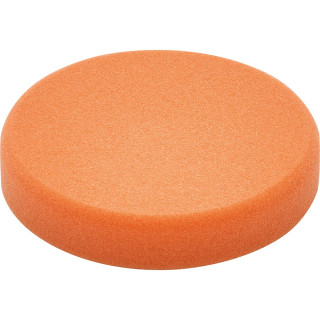
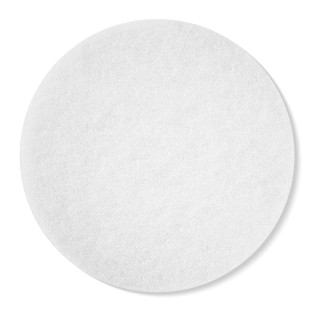
Festool polishing pads sort proper finishing work, from cutting back oxidation to bringing up a clean gloss without leaving swirls or burning edges.

When you've spent hours flatting and you're one slip away from a mess, the pad choice matters as much as the compound. Festool polishing pads and Festool buffing pads cover the full run from heavy cut to final finish, including Festool sponge pads and a Festool sheepskin pad for fast correction. Match the pad to the stage, keep it clean, and you'll get a consistent finish without chasing marks.

What Jobs Are Festool Polishing Pads Used For?

  • Cutting back tired paint and oxidation on vehicles and plant panels when you need a fast correction stage before refining.
  • Refining after compounding on painted surfaces so you stop chasing holograms and end up with a clean, even gloss.
  • Polishing GRP, gelcoat, and coated panels on site work where a rotary can bite too hard and you need controlled finishing.
  • Bringing up stainless and solid surface trims after fabrication marks, using the right pad so you do not smear or overheat edges.
  • Running Festool Rotex polishing pads on mixed jobs where you want one machine to cut, then finish, just by swapping pad and polish.

Choosing the Right Festool Polishing Pads

Pick the pad for the stage you are on, not the shine you want at the end, because the wrong pad just leaves you more work.

1. Sheepskin vs Sponge

If you need correction speed on tired paint, a Festool sheepskin pad gives you stronger cut, but it will need a follow-up finishing step. If you are refining and finishing, Festool sponge pads are the safer bet for controlling heat and keeping the surface even.

2. Firm vs Soft Foam

If the surface has sanding marks or haze to clear, go firmer to get the polish working properly. If you are on the final pass, go softer so the pad conforms to panels and you do not put fresh swirls back in.

3. Rotex Use and Pad Control

If you are using Festool Rotex polishing pads, keep the pad flat and do not lean on edges, because that is how you build heat and mark paint. For tighter curves and awkward profiles, size down and take the extra minute rather than forcing a big pad in.

Who Uses Festool Polishing Pads?

  • Vehicle detailers and bodyshop lads who need predictable cut and finish without pad hop, especially on curves and edges.
  • Joiners and cabinet installers doing high-end handovers, where a final polish on lacquered or painted panels makes the job look finished.
  • Maintenance teams and plant fitters cleaning up panels, covers, and GRP repairs, keeping a couple of pads in the van for quick turnaround.

The Basics: Understanding Festool Polishing Pads

Pads are not just "softer or harder" versions of the same thing. Material and firmness change how much they cut, how hot they run, and how clean the finish looks.

1. Cut Stage vs Finish Stage

A cutting pad is there to level defects quickly, so it will leave a finish that needs refining. A finishing pad is there to remove the haze from the cut stage and bring up clarity, which is where you stop seeing swirls under lights.

2. Heat and Edge Control

The more aggressive the pad, the easier it is to build heat, especially on edges and body lines. On paint and gelcoat, that is the difference between a clean correction and a patch you have to rework.

3. Clean Pad, Consistent Result

A loaded pad stops cutting properly and starts dragging polish around, which is when you get smearing and random marks. Swapping or cleaning pads mid-job keeps the finish consistent and saves time overall.

Polishing Accessories That Stop You Fighting the Finish

A couple of simple add-ons make polishing quicker, cleaner, and far more consistent across a full panel.

1. Backing Pads

The right backing pad keeps the polishing pad stable and running true, so you are not dealing with wobble, uneven pressure, or a pad that feels grabby on curves.

2. Pad Cleaning Brush or Pad Spurring Tool

This clears spent compound and paint residue out the face of the pad, which stops smearing and brings the cut back without you binning a pad halfway through the job.

3. Microfibre Cloths

Use clean cloths for wipe-off between stages so you are not dragging old compound back across the panel and putting fine marks straight back into your fresh finish.

Shop Festool Polishing Pads at ITS

Whether you need a single replacement pad or a few options to cover cutting through to finishing, we stock a proper range of Festool polishing pads and Festool buffing pads for real on-site and workshop use. It's all held in our own warehouse and ready for next day delivery, so you can get back on the job without waiting around.

Festool Polishing Pads FAQs

Which Festool polishing pad is best for cars?

It depends on the stage. For cutting back oxidation and heavier defects, start with a more aggressive option like a Festool sheepskin pad, then follow with a softer Festool sponge pads setup to refine and finish. If you jump straight to a soft finishing pad on tired paint, you will be there all day and still not shift the marks.

Can you wash and reuse Festool polishing pads?

Yes, as long as you clean them properly and let them dry fully before reuse. The key is getting compound and residue out of the pad face, because a half-clean pad just clogs faster and starts smearing, which ruins the finish and wastes your time.

Are Festool buffing pads the same as polishing pads?

They get used interchangeably, but in practice "buffing" usually means the refining and finishing passes, not the heavy correction. If you are trying to remove defects, make sure you are on the right pad type for cut, then step down to finish.

How do I stop swirls and holograms when using Festool Rotex polishing pads?

Do not overload the pad with product, keep it flat, and ease off the pressure on the final passes. Most swirls come from a clogged pad, too much pressure on an edge, or skipping the refining step after a heavy cut.

How long should a polishing pad last on site work?

They last well if you keep them clean and do not cook them with heat. If the pad face is tearing, going hard, or it will not cut consistently even after cleaning, it is done and you are better replacing it than fighting the finish.
Read more

Festool Polishing Pads

Festool polishing pads sort proper finishing work, from cutting back oxidation to bringing up a clean gloss without leaving swirls or burning edges.

When you've spent hours flatting and you're one slip away from a mess, the pad choice matters as much as the compound. Festool polishing pads and Festool buffing pads cover the full run from heavy cut to final finish, including Festool sponge pads and a Festool sheepskin pad for fast correction. Match the pad to the stage, keep it clean, and you'll get a consistent finish without chasing marks.

What Jobs Are Festool Polishing Pads Used For?

  • Cutting back tired paint and oxidation on vehicles and plant panels when you need a fast correction stage before refining.
  • Refining after compounding on painted surfaces so you stop chasing holograms and end up with a clean, even gloss.
  • Polishing GRP, gelcoat, and coated panels on site work where a rotary can bite too hard and you need controlled finishing.
  • Bringing up stainless and solid surface trims after fabrication marks, using the right pad so you do not smear or overheat edges.
  • Running Festool Rotex polishing pads on mixed jobs where you want one machine to cut, then finish, just by swapping pad and polish.

Choosing the Right Festool Polishing Pads

Pick the pad for the stage you are on, not the shine you want at the end, because the wrong pad just leaves you more work.

1. Sheepskin vs Sponge

If you need correction speed on tired paint, a Festool sheepskin pad gives you stronger cut, but it will need a follow-up finishing step. If you are refining and finishing, Festool sponge pads are the safer bet for controlling heat and keeping the surface even.

2. Firm vs Soft Foam

If the surface has sanding marks or haze to clear, go firmer to get the polish working properly. If you are on the final pass, go softer so the pad conforms to panels and you do not put fresh swirls back in.

3. Rotex Use and Pad Control

If you are using Festool Rotex polishing pads, keep the pad flat and do not lean on edges, because that is how you build heat and mark paint. For tighter curves and awkward profiles, size down and take the extra minute rather than forcing a big pad in.

Who Uses Festool Polishing Pads?

  • Vehicle detailers and bodyshop lads who need predictable cut and finish without pad hop, especially on curves and edges.
  • Joiners and cabinet installers doing high-end handovers, where a final polish on lacquered or painted panels makes the job look finished.
  • Maintenance teams and plant fitters cleaning up panels, covers, and GRP repairs, keeping a couple of pads in the van for quick turnaround.

The Basics: Understanding Festool Polishing Pads

Pads are not just "softer or harder" versions of the same thing. Material and firmness change how much they cut, how hot they run, and how clean the finish looks.

1. Cut Stage vs Finish Stage

A cutting pad is there to level defects quickly, so it will leave a finish that needs refining. A finishing pad is there to remove the haze from the cut stage and bring up clarity, which is where you stop seeing swirls under lights.

2. Heat and Edge Control

The more aggressive the pad, the easier it is to build heat, especially on edges and body lines. On paint and gelcoat, that is the difference between a clean correction and a patch you have to rework.

3. Clean Pad, Consistent Result

A loaded pad stops cutting properly and starts dragging polish around, which is when you get smearing and random marks. Swapping or cleaning pads mid-job keeps the finish consistent and saves time overall.

Polishing Accessories That Stop You Fighting the Finish

A couple of simple add-ons make polishing quicker, cleaner, and far more consistent across a full panel.

1. Backing Pads

The right backing pad keeps the polishing pad stable and running true, so you are not dealing with wobble, uneven pressure, or a pad that feels grabby on curves.

2. Pad Cleaning Brush or Pad Spurring Tool

This clears spent compound and paint residue out the face of the pad, which stops smearing and brings the cut back without you binning a pad halfway through the job.

3. Microfibre Cloths

Use clean cloths for wipe-off between stages so you are not dragging old compound back across the panel and putting fine marks straight back into your fresh finish.

Shop Festool Polishing Pads at ITS

Whether you need a single replacement pad or a few options to cover cutting through to finishing, we stock a proper range of Festool polishing pads and Festool buffing pads for real on-site and workshop use. It's all held in our own warehouse and ready for next day delivery, so you can get back on the job without waiting around.

Festool Polishing Pads FAQs

Which Festool polishing pad is best for cars?

It depends on the stage. For cutting back oxidation and heavier defects, start with a more aggressive option like a Festool sheepskin pad, then follow with a softer Festool sponge pads setup to refine and finish. If you jump straight to a soft finishing pad on tired paint, you will be there all day and still not shift the marks.

Can you wash and reuse Festool polishing pads?

Yes, as long as you clean them properly and let them dry fully before reuse. The key is getting compound and residue out of the pad face, because a half-clean pad just clogs faster and starts smearing, which ruins the finish and wastes your time.

Are Festool buffing pads the same as polishing pads?

They get used interchangeably, but in practice "buffing" usually means the refining and finishing passes, not the heavy correction. If you are trying to remove defects, make sure you are on the right pad type for cut, then step down to finish.

How do I stop swirls and holograms when using Festool Rotex polishing pads?

Do not overload the pad with product, keep it flat, and ease off the pressure on the final passes. Most swirls come from a clogged pad, too much pressure on an edge, or skipping the refining step after a heavy cut.

How long should a polishing pad last on site work?

They last well if you keep them clean and do not cook them with heat. If the pad face is tearing, going hard, or it will not cut consistently even after cleaning, it is done and you are better replacing it than fighting the finish.

ITS Click and Collect Icon
What3Words:
Store Opening Hours
Opening times